Since 2002, Tokyo Photographic Art Museum has continuously presented the "Contemporary Japanese Photography" exhibition series, supporting the creative spirit of artists who challenge the possibilities of photography and video, discovering artists with future potential, and providing a venue for the development of new creative activity.
Photography and video are media that capture and preserve things. Yet the images they record can take on different meanings depending on how they are edited or the context in which they are placed. As a result, they can sometimes evoke memories or records that never existed—or that never happened. The boundaries between what is visible and invisible within an image, between reality and fiction, between presence and absence, are becoming increasingly blurred, carrying an inherent sense of instability.
Now in its 23rd edition, this exhibition focuses on the process by which the artists draw on memories, materials, techniques, and contexts that genuinely existed, assembling them into new images. In daily life, where we are so often confronted by questions of truth and falsehood, how do we engage with information, what do we choose to believe, and how do we perceive the world? The exhibition presents works that offer an occasion to reconsider these questions anew.
Exhibition Highlights
New Forms of Expression Born from Diverse Techniques
Each of the five artists featured in this exhibition creates work using a diverse range of techniques and materials, including AI, CG, stop-motion animation, and original shooting and editing methods. Rather than using photography and video only to record or reproduce, these artists employ such techniques as a means of expression—reassembling their subjects through their own experience and thought to bring forth rich new images. Comparing works born from these different approaches offers a sense of the expanding range of contemporary photographic and video expression.
Five Artists to Watch, Exploring the Possibilities of New Images
Sayuri Ichida creates sculptural objects themed around her own memories, experiences, and the passage of time; Taro Karibe skillfully incorporates generative AI techniques to visualize human perception and imagery; Zai Nomura works across multiple media, including photography, sculpture, and mechanical devices; Baku Hashimoto explores visual expression through stop-motion animation made with his own devices and tools; and Asako Fujikura uses live-action footage, 3DCG, and AI to depict fictional cities. The exhibition brings together works by these five artists currently attracting attention, exploring the possibilities of new images born at the boundary between the recorded and the imagined.
Installations Experienced Throughout the Space
In addition to photographic works, the exhibition features numerous installation pieces that combine video and three-dimensional elements. One of its major draws is the opportunity to physically experience the relationship between images, memory, and time—not simply by standing before the works, but by walking through the space itself. Immersing oneself in each artist's world offers a new way of experiencing photography and video. Baku Hashimoto will also carry out a live, open production of his stop-motion animation during the exhibition period. Presenting the process behind the work—something that cannot be seen in the finished piece alone—as part of the exhibition offers a rare opportunity to experience the very time in which the work is made.
Exhibiting Artists and Featured Works
Sayuri Ichida
Born 1985. Graduated from the photography department of Tokyo Visual Arts in 2006 and worked as a studio assistant at Iino Media Pro before moving to the UK. In 2022, she earned a master's degree in Photography Arts from the University of Westminster. Her work explores complex, multilayered emotions rooted in her own memories and experiences, expressed through the body and sculptural objects. Major exhibitions and awards include winner of the Jerwood/Photoworks Awards 5 (UK, 2024); "Absentee" at Leica Gallery (UK, 2026); "Playing the Piano Upstairs" at The Photographers' Gallery Print Sales (UK, 2026); and "transiənt" at the Daiwa Anglo-Japanese Foundation Japan House Gallery (UK, 2025).
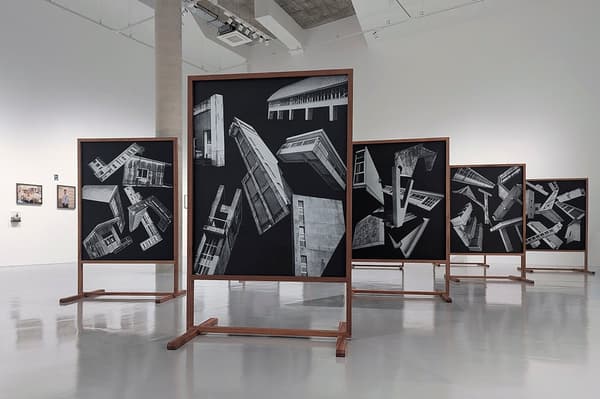
For this exhibition, she presents the Japan premiere of an installation themed around the time accumulated in a school building—reconstructing fragments of the building on chalkboard supports and printing them using silkscreen.
Taro Karibe
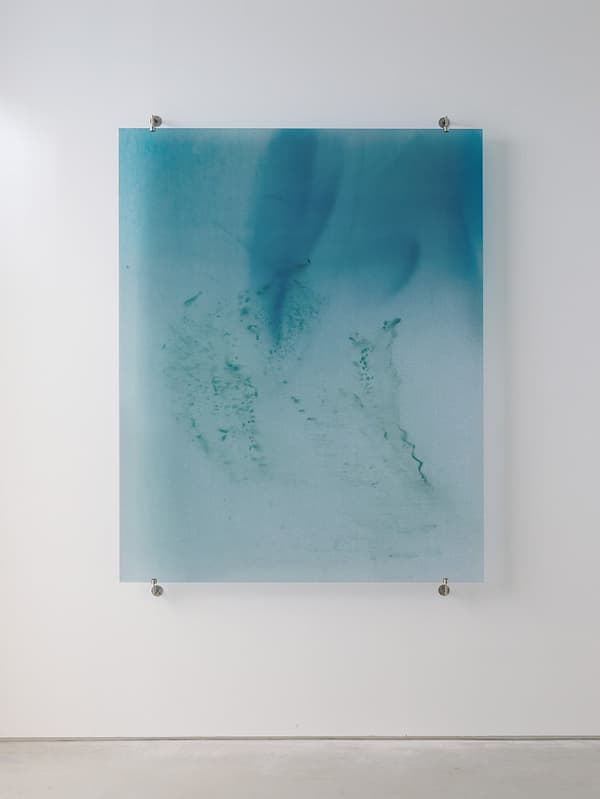
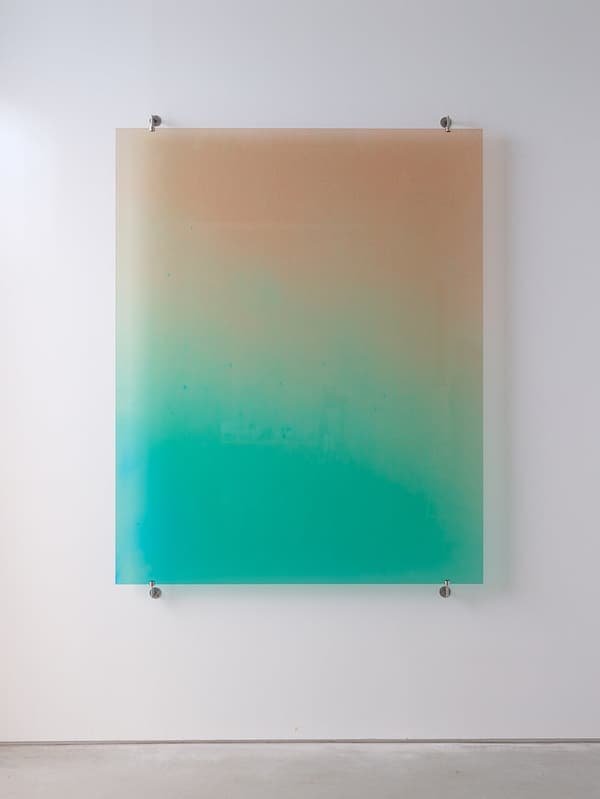
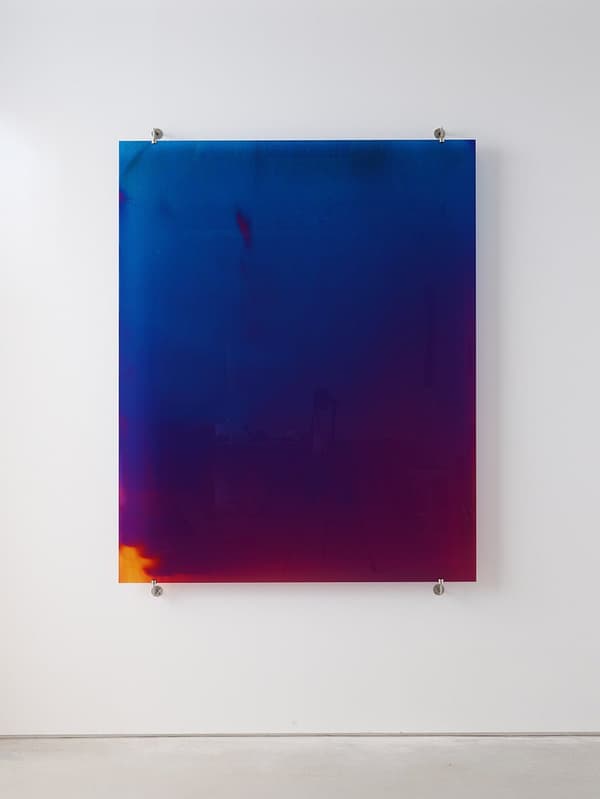
Born 1988. After working across the fields of psychology, public health, finance, and IT, Karibe began his career as a photojournalist. By deliberately misusing generative image AI as a "metaphysical camera," he questions the invisible systems that govern the acts of "seeing" and "believing," reexamining from within the medium of photography the interlocking cycle of black boxes formed by optical technology, algorithms, human cognition, and social institutions. Major exhibitions include "Anatomy of Caves" at HECTARE (Tokyo, 2024) and "Aim an Arrow at the Rock in the Ocean" at MYNAVI ART SQUARE (Tokyo, 2024).
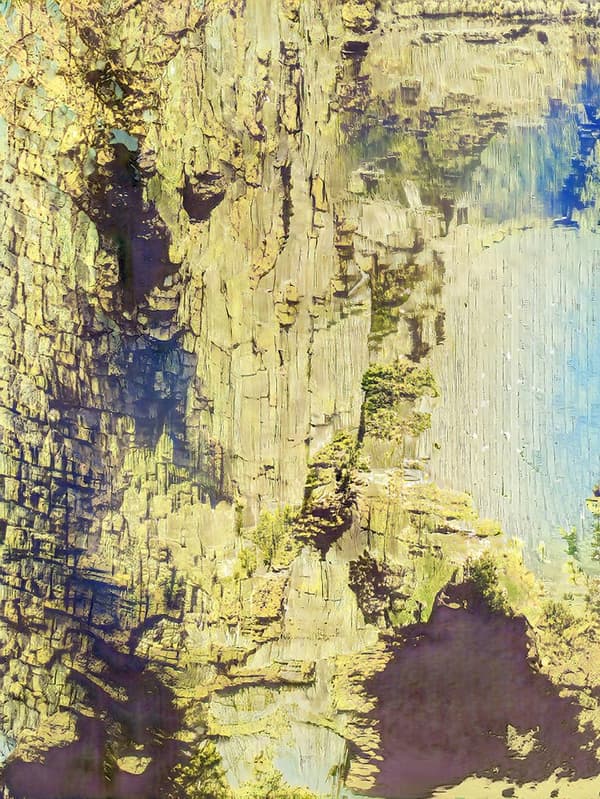
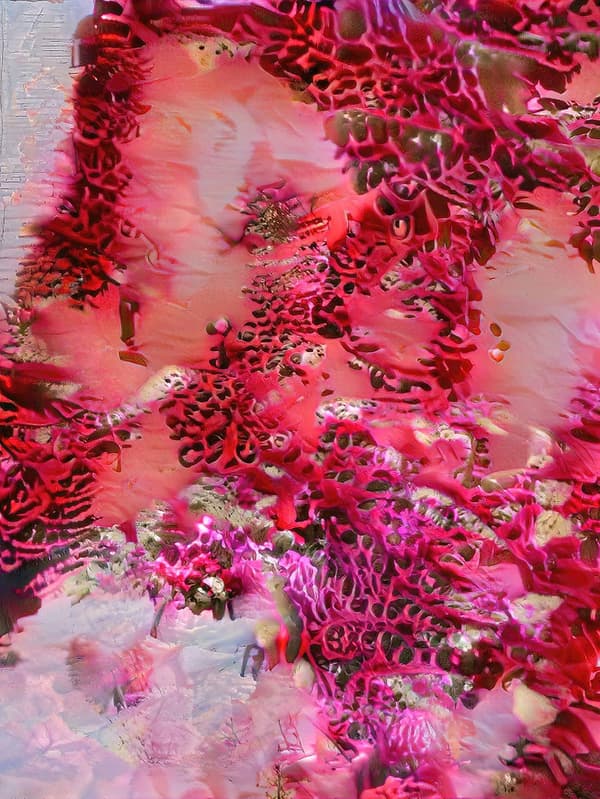
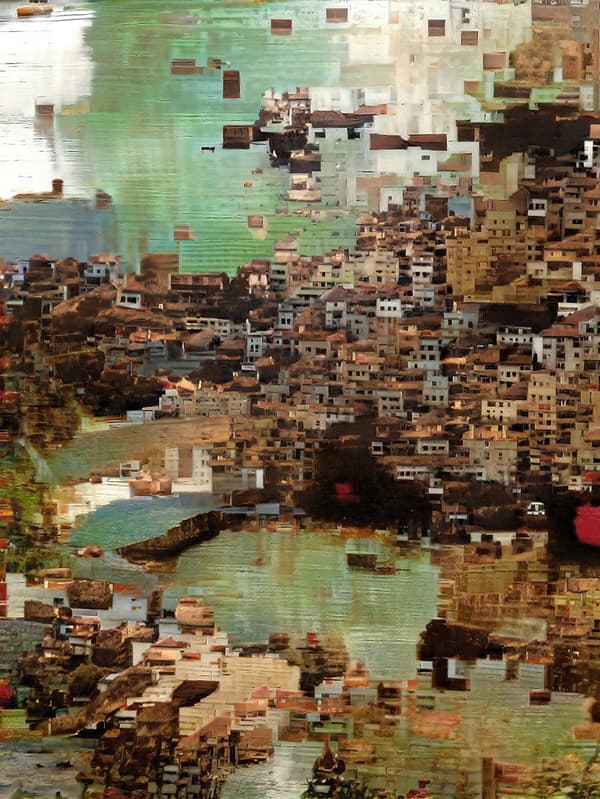
For this exhibition, Karibe presents a series of works created by photographing and processing images produced by inducing poor contact in a television's receiver to generate glitch noise, then feeding the results into a generative-AI landscape-recognition system. By disrupting the recognition system, he draws out the process of pattern recognition—a faculty shared by humans and AI—as it seeks to find meaning, exploring the possibility that new images can emerge from misrecognition.
Zai Nomura
Born 1979. Completed an MFA at Goldsmiths, University of London in 2009, and a doctorate at Musashino Art University in 2013. Nomura works across a range of media—including photography, sculpture, and mechanical devices—to explore the relationship between "existence" and "memory." Focusing on the disappearance and transformation of matter and the way memory shifts with the passage of time, he attempts to visualize traces left behind in everyday life and phenomena that tend to go unnoticed. Major exhibitions include the 13th Seoul Mediacity Biennale, Seoul Museum of Art (Seoul, 2025); "The 17th Shiseido Art Egg: Zai Nomura" at Shiseido Gallery (Tokyo, 2024); "OPEN SITE 8" at TOKAS Hongo (Tokyo, 2024); and the Aichi Triennale (Aichi, 2016).
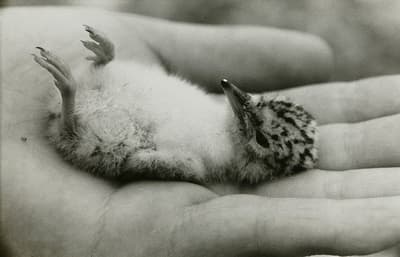
For this exhibition, Nomura burns portrait photographs he has collected and records the light of the flames through long-exposure photography, focusing on the material nature of photography as a medium and exploring the process by which images are reconstructed into new forms.
Baku Hashimoto
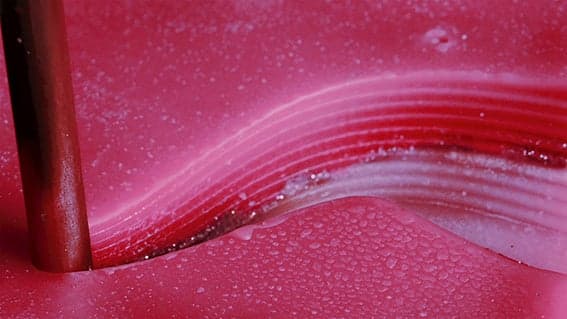
Video artist. Drawing on influences from motion graphics, hacker culture, and experimental film, Hashimoto works independently across a wide range of formats, including 3DCG, stop-motion animation, music videos, and interactive works. He approaches each project by designing his own workflow and tools, exploring a distinctive visual language through a process that embraces technical trial and error. His major work includes music videos for group_inou and MONO NO AWARE, and the ending animation for the anime series The Perfect Insider. In recent years he has also pursued research in human-computer interaction (HCI), with a paper accepted at ACM UIST among his achievements. He has received the Tokyo TDC Grand Prize (2025), the Audience Award at the New Chitose Airport International Animation Festival (2018), and the Newcomer's Award at the 19th Japan Media Arts Festival (2015).
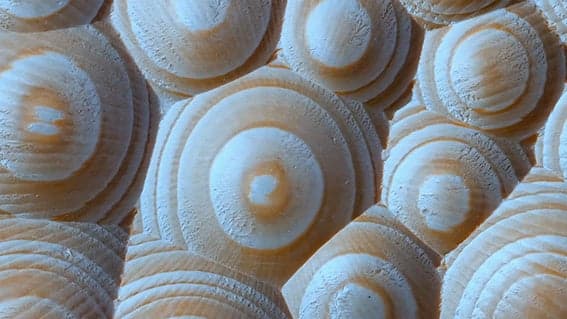
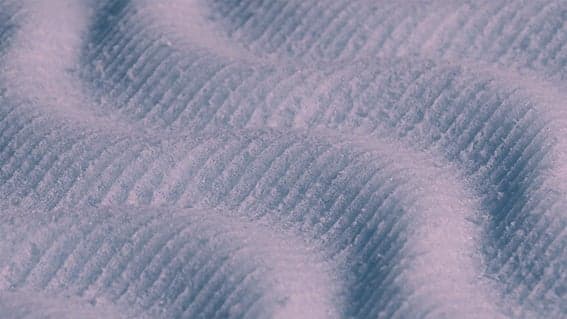
For this exhibition, Hashimoto presents a new installation that uses stop-motion animation created with his own custom-built devices and tools to explore the process by which images come into being. During the exhibition period, he will also carry out a live, open production session, presenting not only the finished video work but also the process behind its creation.
Asako Fujikura
Born in Saitama Prefecture in 1992, based in Tokyo. Fujikura focuses on the infrastructure that crosses cities and suburbs and the depth of the landscapes attached to it, creating works primarily through 3DCG animation techniques. In recent years, she has developed spatial expressions that focus on the dynamism of logistics unfolding daily on reclaimed land and the emergence of gardens within cities. Recent exhibitions include "Machine Love: Video Games, AI, and Contemporary Art" at Mori Art Museum (Tokyo, 2025) and the Japan Pavilion at the 19th International Architecture Exhibition of La Biennale di Venezia, "Neutral Ground: A Future with Generative AI" (Italy, 2025).
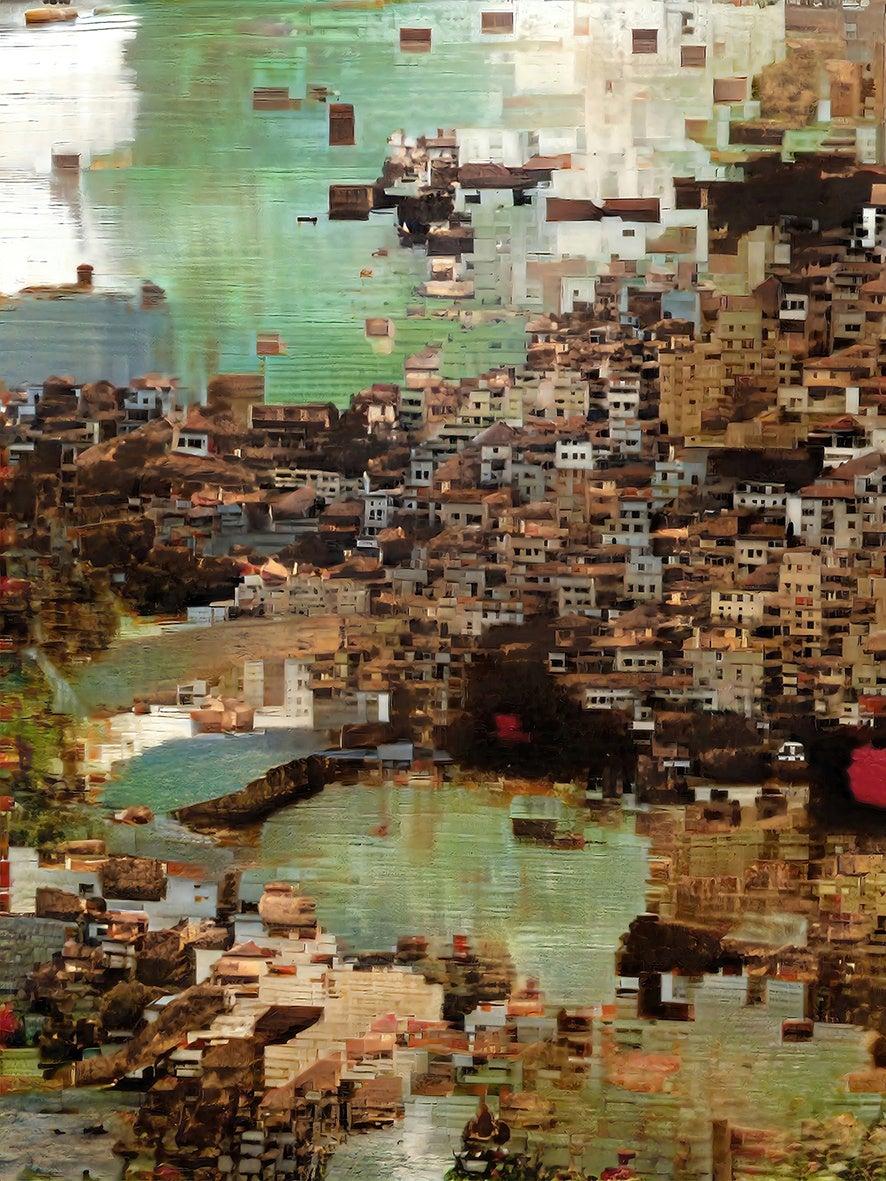
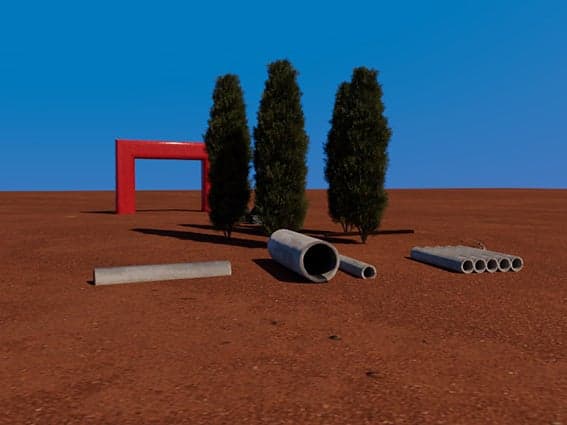
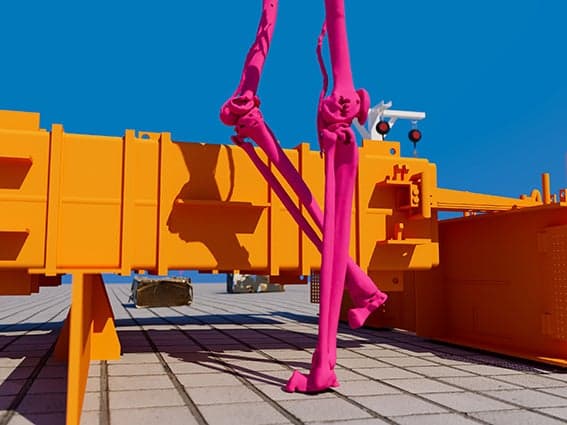
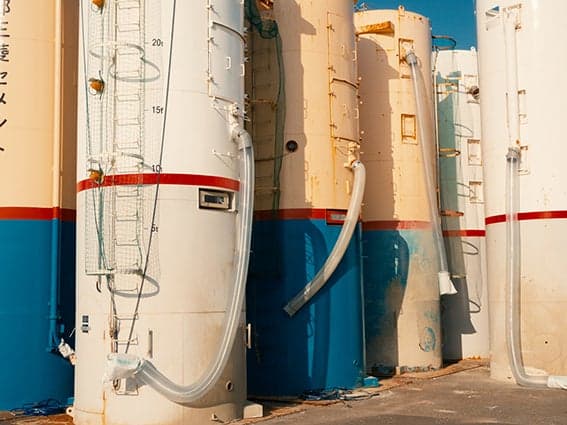
For this exhibition, Fujikura presents an installation that uses live-action footage, CG, and AI to construct a fictional city and the society within it.
Related Events
Talk Events with the Exhibiting Artists and Guests
- Sunday, October 4, 2:00–3:30 PM: Sayuri Ichida (exhibiting artist) × Hitoshi Motohashi (curator, 21st Century Museum of Contemporary Art, Kanazawa)
- Sunday, October 18, 2:00–3:30 PM: Zai Nomura (exhibiting artist) × Aomi Okabe (art critic, independent curator)
- Sunday, November 1, 2:00–3:30 PM: Taro Karibe (exhibiting artist) × Kazeto Shimonishi (philosopher)
- Sunday, December 13, 2:00–3:30 PM: Baku Hashimoto (exhibiting artist) × Koichiro Tsujikawa (video artist)
- Sunday, January 10, 2:00–3:30 PM: Asako Fujikura (exhibiting artist) × Yoshikazu Nango (sociologist, professor at Hosei University)
Venue: Tokyo Photographic Art Museum, 1st-Floor Hall
Capacity: 190 | Free admission, numbered tickets required
*Numbered tickets will be distributed from 10:00 AM at the 1st-floor general reception on the day of the event. Sign language interpretation and live captioning provided.
Gallery Talks by the Exhibition Curator
- Friday, October 9, 2:00 PM (live captioning provided)
- Friday, November 13, 2:00 PM (sign language interpretation provided)
- Friday, December 11, 2:00 PM (sign language interpretation provided)
*Visitors with a valid same-day exhibition ticket, or those eligible for free admission (with appropriate documentation), should gather at the 3rd-floor gallery entrance.
Exhibition Catalogue
Contemporary Japanese Photography vol.23
Size: Modified B5 | Publication date: September 30, 2026 | Price: TBD | Publisher: Tokyo Photographic Art Museum
The catalogue includes an essay by Kaho Yamazaki (curator, Tokyo Photographic Art Museum) and statements by all five exhibiting artists.
Exhibition Overview
Exhibition Name: Assembling Anew: Memories, Materials, Context, Technology — Contemporary Japanese Photography vol.23
Dates: September 30 (Wed), 2026 to January 17 (Sun), 2027
Organized by: Tokyo Metropolitan Foundation for History and Culture, Tokyo Photographic Art Museum; The Tokyo Shimbun
Supported by: Tokyo Photographic Art Museum Supporting Members
Venue: Tokyo Photographic Art Museum, 3rd-Floor Gallery
1-13-3 Mita, Meguro, Tokyo (inside Ebisu Garden Place)
Phone: 03-3280-0099 | Website: www.topmuseum.jp
Opening Hours: 10:00 AM–6:00 PM (Thursdays and Fridays until 8:00 PM)
*Last admission 30 minutes before closing
Closed: Every Monday (if Monday falls on a public holiday, the museum is open that day and closed the following weekday instead); year-end and New Year holidays (December 28–January 1)
Admission:
- General: ¥700 (¥560)
- Students: ¥560 (¥440)
- High school students & 65+: ¥350 (¥280)
*Prices in parentheses apply to groups of 20 or more paid visitors.
*Free admission for junior high school students and under, and persons with a disability certificate (along with up to 2 caregivers). Free for visitors aged 65 and over on the third Wednesday of each month. Free on January 2 and 3.
*From November 5 to 27, Thursdays and Fridays 5:00–8:00 PM offer discounted admission during special evening hours (free for students and high school students; general and 65+ visitors pay the group rate—please present student ID or age verification).
Exhibition details are subject to change.