Ueno is one of the most popular tourist destinations in Tokyo, attracting visitors from around the world every day. Famous for the Ueno Zoo and Ameyoko market street, it is also a cultural hub with major art galleries and museums just a short walk from the station. Ueno Park alone is worth a full day out, but you can also head a little further afield to enjoy shopping at Ameyoko and Yanaka Ginza, or visit historic shrines and temples. Whether you are looking for things to do in Ueno for a half-day visit or planning a full Ueno Tokyo guide, this article covers 30 of the best attractions and spots perfect for dates, family trips, and solo strolls.
For a deeper look at the park itself, see our complete guide to Ueno Park.
11 classic spots in Ueno
Tokyo National Museum
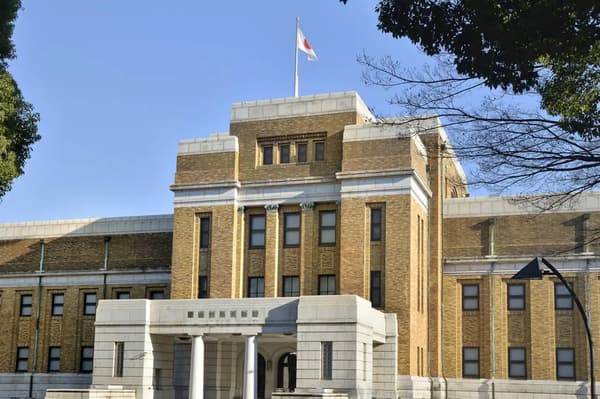
The Tokyo National Museum, located on the northern edge of Ueno Park, is the oldest and largest museum in Japan. Its collection holds over 120,000 objects spanning Japanese art, Asian antiquities, and archaeological artifacts. The Honkan (Japanese Gallery) alone could take half a day to explore, with rooms arranged chronologically from ancient Jomon pottery through to Edo-period woodblock prints and samurai armour.
Beyond the Honkan, the Toyokan (Asian Gallery) covers art from China, Korea, Southeast Asia, and the Middle East. The Heiseikan hosts special exhibitions and an archaeology gallery. The museum grounds are also home to several historic teahouses and a garden that opens seasonally. In spring 2026, a special exhibition featuring the Chester Beatty collection is scheduled from April 27 to July 20.
Admission to the regular collection is 1,000 yen for adults (free for under 18 and over 70). The museum is open from 9:30 AM to 5:00 PM (with extended hours on Fridays and Saturdays), and is closed on Mondays.
National Museum of Nature and Science
The National Museum of Nature and Science, located to the north of Ueno Park, is one of Japan's largest and oldest, and the only national science museum in the country. It has a wide range of exhibits, from space and dinosaurs to Japan's ecosystems and the latest technology. Visitors can increase their interest in the earth, life, science and technology, and think about how mankind and nature can coexist.
The museum is divided into the Japan Gallery and the Global Gallery. In the Japan Gallery, visitors can learn about the history of the Japanese Islands under themes such as Nature of the Japanese Islands, History of the Japanese Islands, and Organisms of the Japanese Islands. The symbolic zone of the Global Gallery is the 'Earth History Navigator', where visitors can take a trip through 13.8 billion years under the themes of cosmic history, the history of life and the human story.
The 360-degree dome-shaped 3D cinema 'Theatre 360 (Sanrokumaru)' is one of the highlights, where visitors can enjoy powerful images. On the third floor, the 'Compass' Parent and Child Exploration Area is designed for parents and children to enjoy together, encouraging communication through interactive play. Note that part of the Japan Gallery South wing is under partial renovation until around May 2026, so some areas may be closed during your visit. Admission is 630 yen for adults (free for high school students and younger).
From March 14 to June 14, 2026, the museum is hosting a special exhibition called "Super Dangerous Creatures," featuring a six-metre saltwater crocodile replica and other unusual specimens. It is a great add-on if you are visiting with kids.
The National Museum of Western Art
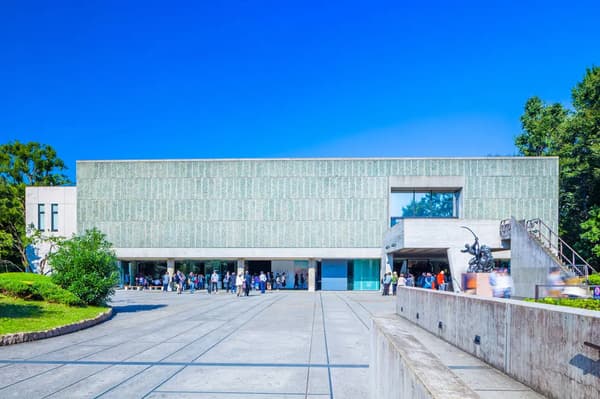
The National Museum of Western Art is the place to enjoy five centuries' worth of European art. The museum houses around 6,000 works, mainly from the Matsukata Collection, which now includes paintings, sculptures, drawings, prints, manuscripts and crafts. It is the only museum in Tokyo that exclusively exhibits Western art.
In addition to the exhibits, the museum building itself is a highlight. Designed by architect Le Corbusier, the building is listed as a UNESCO World Heritage Site. The museum shop sells Monet's "Water Lilies", original goods based on the museum's collection and a catalogue of the collection.
The museum also hosts a variety of programmes, including lectures and symposia by researchers and experts from Japan and abroad. There are also 'Art Talks' and 'Architecture Tours' by volunteer staff, and 'Family Programmes' for children and adults to enjoy together. In 2026, the exhibition schedule includes a Ciurlionis show (March 28 to June 14) and a Turner exhibition opening in late October.
Ueno Park
Ueno Park unfolds expansively upon exiting JR Ueno Station, spanning an impressive 530,000 square meters. It has many attractions including art galleries, museums, and a zoo. During spring, it transforms into one of Tokyo's most popular cherry blossom viewing spots, drawing huge crowds for hanami parties under roughly 800 cherry trees along the main pathway.
The Ueno Sakura Matsuri runs from March 14 to April 5 in 2026, with lantern-lit evening illuminations along the central path extending through April 12. In a typical year, the trees start blooming around March 19-21 and hit full bloom about a week later. The best strategy for hanami at Ueno Park is to arrive on a weekday morning before 9:00 AM, when you can actually find space under the trees and take photos without fighting the crowds. Weekend afternoons during peak bloom are shoulder-to-shoulder. If the weather turns, you can easily duck into one of the park's museums for a few hours and come back out when it clears.
The main cherry tree avenue -- the wide path running from the park entrance toward the fountain plaza -- is the classic Ueno hanami spot. For a quieter angle, try the paths along the western side of Shinobazu Pond, where there are fewer people and wider views of the blossoms reflected on the water.
For more Tokyo cherry blossom spots beyond Ueno, see our sakura guide.
Ueno Park has a long history, earning the distinction of being the first park in Japan officially designated by a Dajokan (Grand Council of State) edict in 1873. In 1924, it was given to the City of Tokyo via The Ministry of the Imperial Household and received the name 'Onshi,' meaning Imperial Gift. Over time, the park evolved with the construction of museums, art galleries, and a zoo, shaping it into the cultural destination it is today. For a more detailed breakdown, check out our Ueno Park guide.
Ueno Zoo
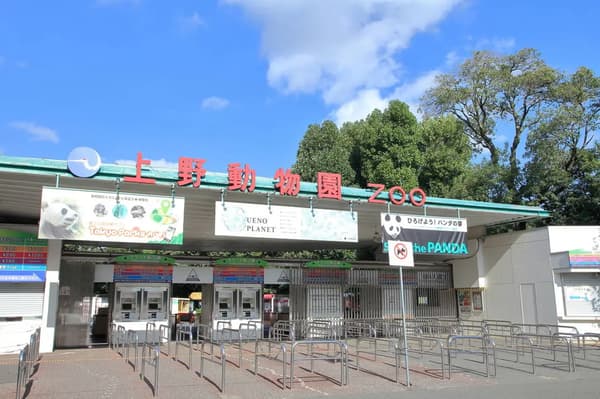
Ueno Zoo opened in 1882 as Japan's first zoo. It is a place where you can meet many animals, from polar bears and elephants to endangered giant tortoises. It is located on the northern side of Ueno Park and is one of Tokyo's best zoos.
The zoo is divided into the East Garden and the West Garden. In the West Garden, you can see giraffes, rhinos and hippopotamuses, while in the East Garden you can see elephants, polar bears, tigers and gorillas. Note that the giant pandas Xiao Xiao and Lei Lei departed Ueno Zoo in early 2026, so the panda exhibit is no longer available. Still, the zoo has around 300 species of animals and remains a full day out.
The 'Children's Zoo Step' provides a unique opportunity for young children to interact closely with animals, allowing them to touch and engage with the creatures. This feature makes it a favored destination for families. Admission is 600 yen for adults and free for children under 12. The zoo is open 9:30 AM to 5:00 PM and is closed on Mondays.
Shinobazu no ike (Shinobazu Pond)
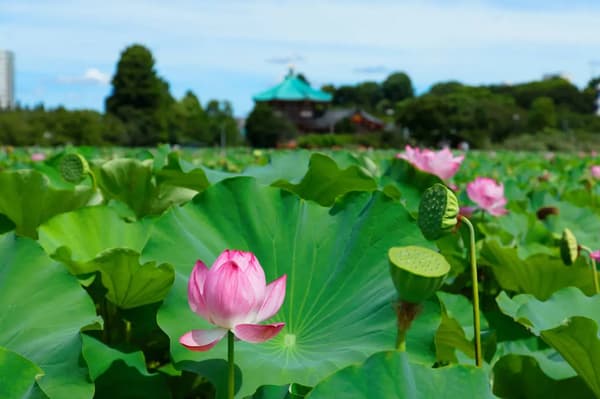
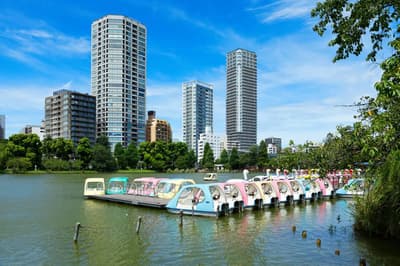
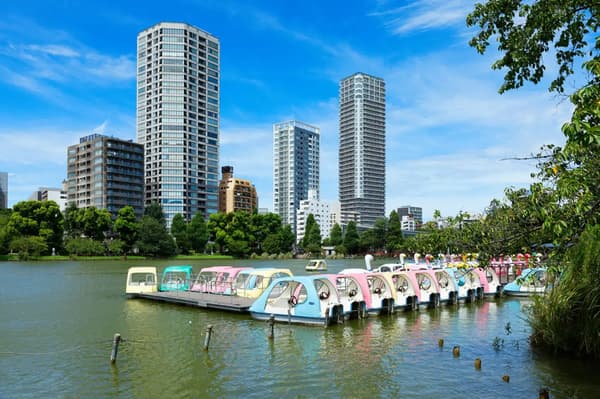
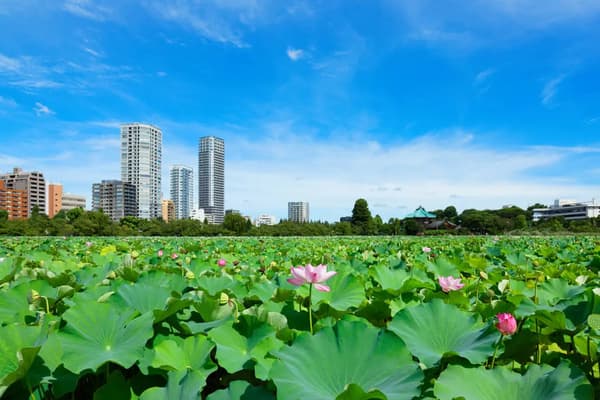
Shinobazu Pond is located on the west side of Ueno Park, on a low-lying area between the Hongo and Ueno plateaus. To the north is the West Garden of Ueno Park, with the Shinobazu Benten Hall in the centre. Migratory birds, ducks and other water birds are abundant here. During the summer, the pond transforms into a sea of lotus leaves several meters high, adorned with peach-colored flowers scattered across the water's surface.
A popular spot for parents, children, and couples at Shinobazu Pond is the boat pond. Visitors can rent row boats for 30 minutes at 800 yen, cycle boats for up to two adults and one child at 1,000 yen per 30 minutes, and swan boats for up to two adults and two children at 1,000 yen per 30 minutes. Prices were revised in October 2025, so older guides may show different rates.
TOKYO METROPOLITAN ART MUSEUM
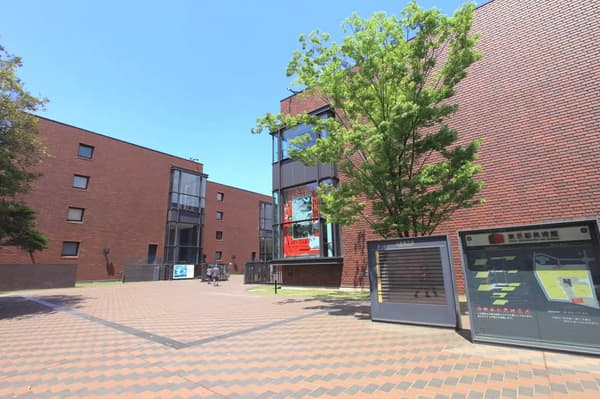
The Tokyo Metropolitan Art Museum was opened in 1926 and was the first public art museum in Japan. Aiming to be a 'gateway to art' open to all, the museum holds art communication projects that build connections between people through the medium of art, as well as special exhibitions, self-produced exhibitions and public exhibitions where you can enjoy masterpieces from Japan and abroad.
The museum is celebrating its 100th anniversary in 2026, and its exhibition lineup reflects the occasion. Highlights for 2026 include a Swedish painting show (through April 12), an Andrew Wyeth exhibition (April 28 to July 5), and a major British Museum collaboration on Edo treasures (July 25 to October 18).
The museum is a 7-minute walk from the Park ticket gates of JR Ueno Station and admission is free, so it is worth a look while strolling through Ueno Park (exhibition admission fees are charged separately). There is also Restaurant MUSE, where you can enjoy casual dining, and Restaurant Salon, where you can enjoy French dining in a relaxed atmosphere.
Ueno Toshogu Shrine
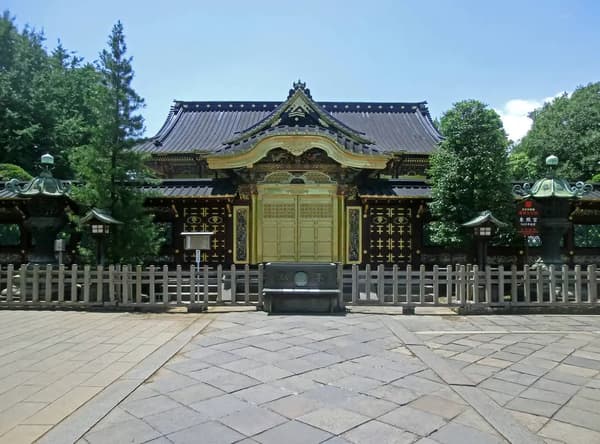
Ueno Toshogu Shrine in Ueno Park is dedicated to the deity Tokugawa Ieyasu (Tosateru Daigongen) and was built in 1627. There are many "Toshogu" shrines throughout Japan, including Nikko and Kunouzan, but Ueno Toshogu is popular as an energy hotspot, said to be beneficial for victory, success in life, health and longevity.
The present shrine buildings were built in 1651 by the third shogun, Tokugawa Iemitsu, for those who could not travel to Nikko to pray, and are said to have been built in the same style as Nikko Toshogu. The Konjikiden (shrine building) and other luxurious buildings are designated as important cultural properties of Japan as they are valuable early Edo period structures that have survived wars and earthquakes without collapsing.
Ueno Toshogu Botan Garden, one of the main attractions, is currently home to 500 peony plants of 110 varieties in spring and 160 plants of 40 varieties in winter, and attracts many visitors in season.
Former Iwasaki Residence & Garden
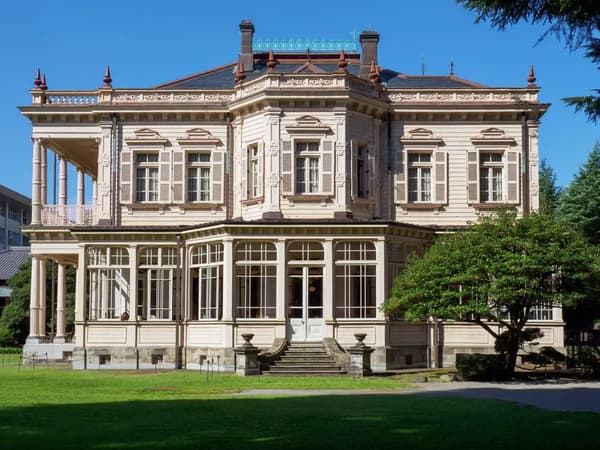
Former Iwasaki Residence & Garden, a 3-minute walk from Yushima Subway Station, was built as the main residence of Hisaya Iwasaki, the third head of the Mitsubishi zaibatsu. In the past, approximately 20 buildings once stood in close proximity on a site spanning about 15,000 tsubo. Presently, only one-third of the original site remains, with three structures -- the Western-style building, the billiard room, and the Japanese-style building -- still standing.
The Western-style building was designed by the Englishman Josiah Conder, known as the architect of the Rokumeikan, and is a Western wooden building representative of modern Japanese houses.
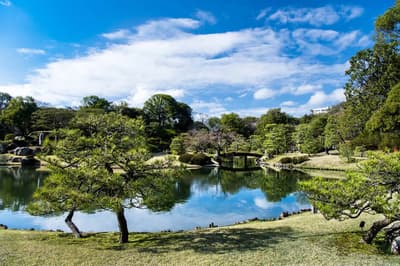
The billiard room in the annex takes on the charming design of a Swiss hut, a wooden structure linked to the Western-style building through an underground passageway. Connected to the Western-style building is the Japanese-style building, a shoin-style structure crafted by Kijuro Okawa, the master builder. The garden, mixing Japanese and Western elements, preserves the early concept of a modern garden featuring a 'shiba-niwa' (lawn garden).
Ameyoko
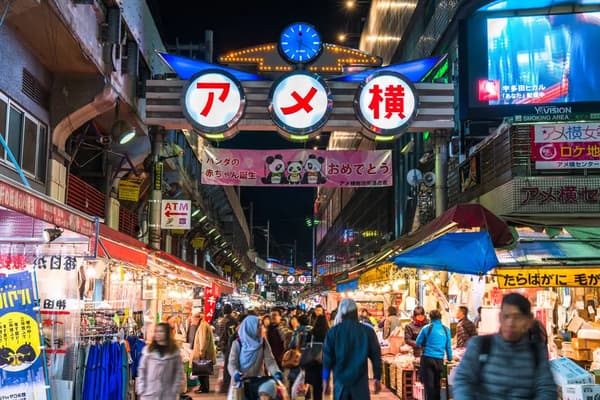
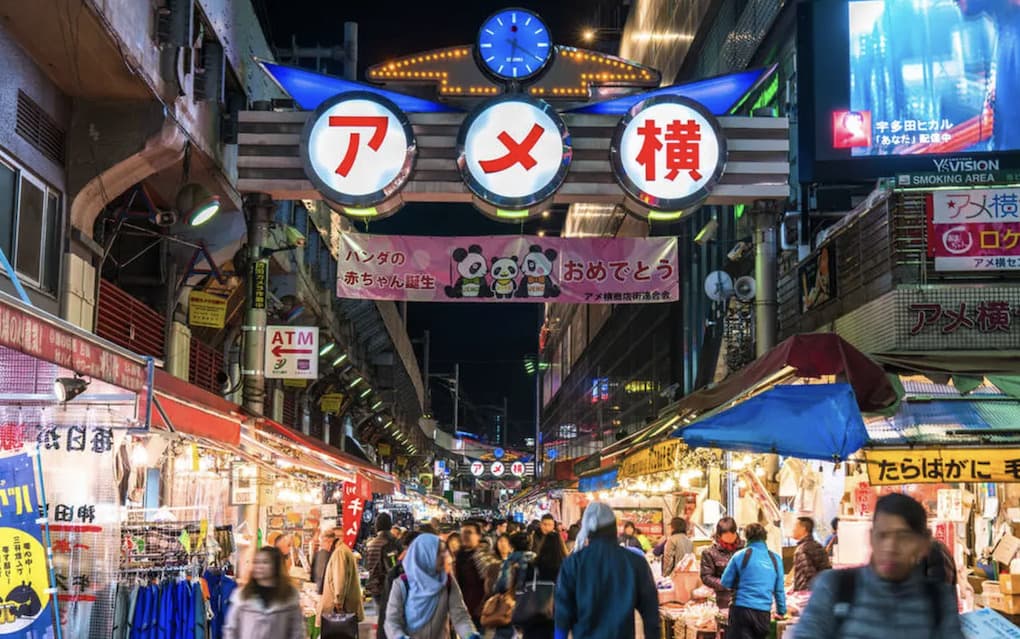
Ameya Yokocho, known by the nickname 'Ameyoko', is a lively shopping street with good-value products and unique food offerings. It developed from a black market where American products were sold after World War II and is now lined with more than 400 shops. It is easily accessible from Ueno Station and is crowded with shoppers every day.
Ameyoko, with its year-round discount sales, provides a variety of freshly caught fish and other perishables at affordable prices. Many shops are open to offering discounts if you ask. The street is home to numerous seafood markets, ethnic restaurants, as well as specialty stores offering fashion items like handbags and jeans. Additionally, there are shops that showcase products reminiscent of Ameyoko's history, including skajans (jackets).
In recent years, Ameyoko has become a go-to spot for cheap and tasty street food. Popular picks include fresh seafood bowls (kaisen-don), takoyaki, grilled skewers, and menchi-katsu from Niku no Oyama near the centre of the market. The Ameyoko Centre Building's basement is worth a detour for its Asian grocery stalls. For a deeper evening experience, try one of these experiences.
If you want to explore Ueno's food scene with a local guide, a private food tour is a fun option.
If you want to explore Ueno's izakaya culture after browsing the market, check out our izakaya guide.
The University of Tokyo
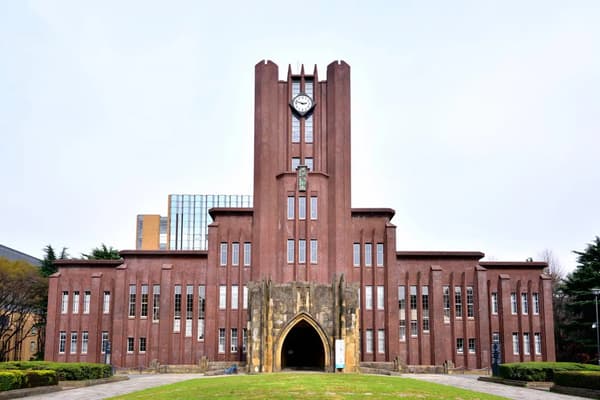
Did you know that the University of Tokyo, the top university in Japan, is open to the public? The campus is a green expanse offering plenty to explore, including historic buildings. Iconic landmarks like the Akamon (Red Gate) and Yasuda Auditorium provide a glimpse into the student experience.
The University of Tokyo was established in 1877, formed by the union of Tokyo Kaisei School and Tokyo Medical School. The Yasuda Auditorium, constructed in 1925, has gained recognition as a symbol of the university protest (student movement) during the late 1960s.
The University of Tokyo Communication Centre, located in the oldest building on the Hongo Campus, offers a wide range of unique goods for purchase. It is also a popular place for research presentations. The University of Tokyo also offers free campus tours led by student guides. Two options are available: a face-to-face tour on campus and an online tour via Zoom (reservations required).
5 recommended places to visit in Ueno Park
Statue of Saigo Takamori
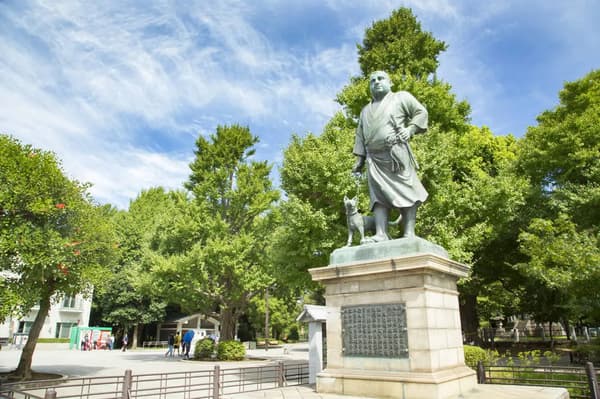
The Saigo Takamori statue, located in Sannodai Square at the main exit of Ueno Park, was built in 1898. Sculpted by Takamura Koun, the unveiling ceremony drew around 800 attendees, including notable figures like Yamagata Aritomo and Katsu Kaishu. The statue portrays Saigo Takamori standing beside his dog, and he is known for his distinctive attire of sandals and a kimono. It is one of the first things you see when entering the park from the JR station side, making it a handy meeting point.
Shinobazu-no-ike Bentendo (Shinobazu Pond and Benten Hall)
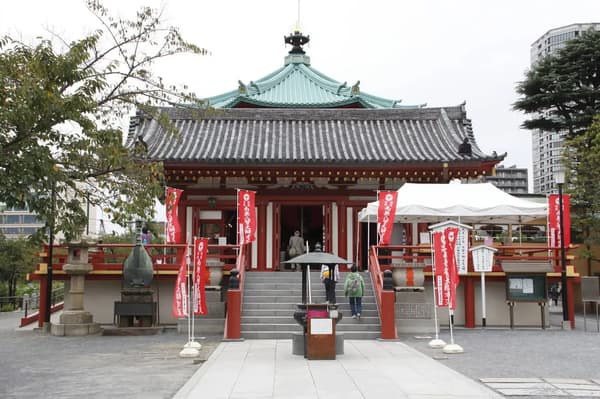
Bentendo, located by Shinobazu Pond in Ueno, was built in the early Edo period by Tendai Buddhist monk, Tenkai.
In the beginning, worshippers used boats to get to the hall, but as the number of worshippers increased, a bridge was built during the Edo period (1603-1868). The principal deity is Benzaiten, widely worshipped as a guardian deity of music and the performing arts, and is also said to bring good fortune in increasing money.
Ueno Daibutsu (Ueno Great Buddha)
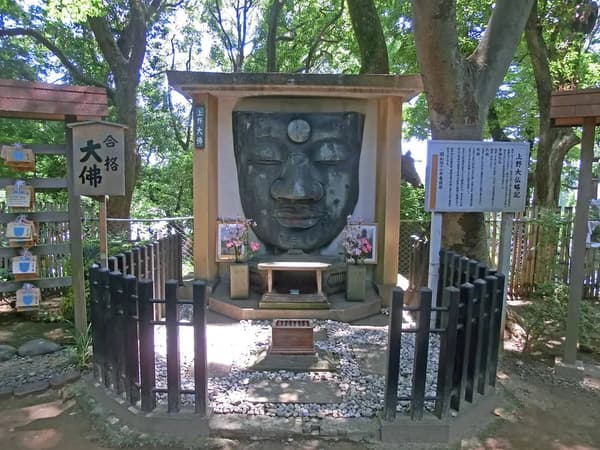
Located on a small hill facing the cherry blossom trees in Ueno Park, the Ueno Great Buddha has endured multiple earthquakes, the Ueno War at the end of the Edo period, the Great Kanto Earthquake and more. As a result, it has diminished to the size of a person's height. Today, only the face of the Great Buddha is preserved in relief, making it a popular spot among students preparing for exams, as they believe it will not "fall any further".
Kiyomizu Kannondo
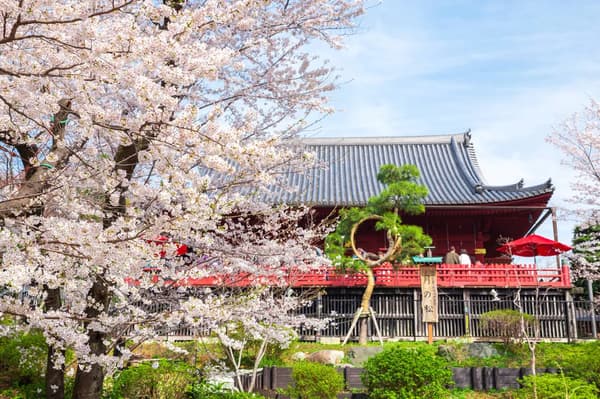
Kiyomizu Kannondo was built in 1631 by Tenkai Daisoujo. It was moved to its present location in 1694 and is the oldest surviving structure on the Ueno mountain. It is designated as a national important cultural property. The main image, Senju Kannon Bosatsu, is said to be the work of Eshin Sozu, a high priest of Mt Hiei. From the terrace, you can look out over Shinobazu Pond -- a view that has been painted by ukiyo-e artists for centuries.
The Ueno Royal Museum
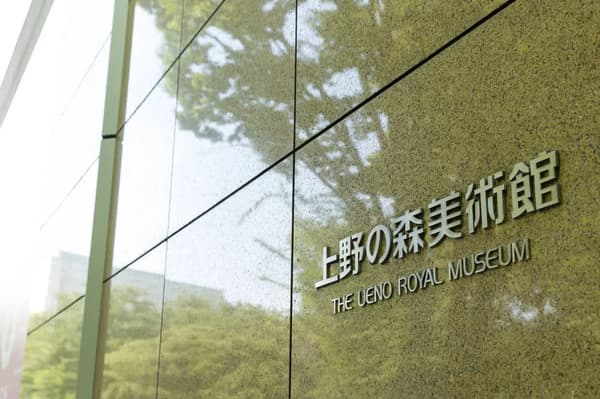
The Ueno Royal Museum, opened in 1972, has been a platform for showcasing many different art genres, including important cultural properties, to the public. Although there are no permanent exhibitions, the museum consistently hosts displays of contemporary art, public competitions, and unique temporary exhibitions, offering an ever-changing artistic experience to its visitors.
In 2006, the Ueno Royal Museum expanded its annex to include a ground-floor gallery for hosting small exhibitions and an art school on the third floor. The museum also features a shop offering original goods, and pop-up shops open for each exhibition, providing visitors with a chance to purchase items related to the showcased artworks.
5 energy hotspots in Ueno
Toeizan Kan'eiji Temple
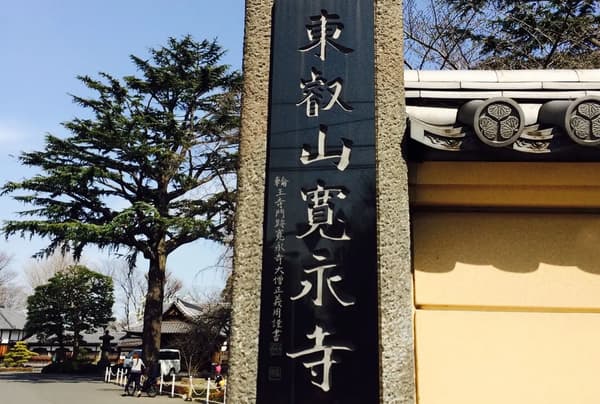
Toeizan Kan'eiji Temple was founded in 1625 by Tenkai Daisoujo as a place to pray for the safety of the Tokugawa family and peace for the citizens of Edo. At its peak during the Edo period, the temple grounds covered most of what is now Ueno Park. Today it is a quieter spot away from the park's crowds, worth a short visit for those interested in Edo-period history.
Nezu Shrine
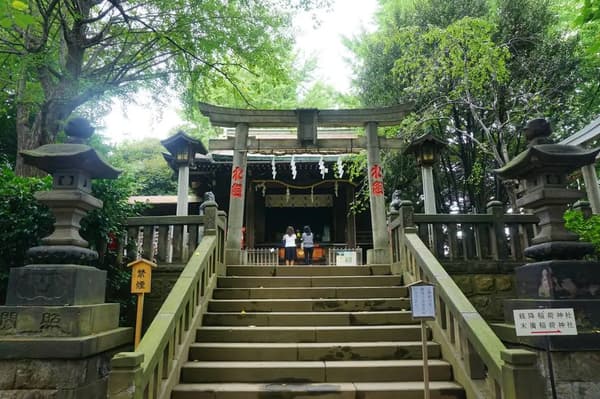
Nezu Shrine is a popular photo spot for its scenery of thick greenery, a pond with koi fish, and red torii gates. The shrine has a long history and is said to have been founded by Yamatotakeru no Mikoto 1,900 years ago; it was moved to its present location in 1706 by order of Tsunayoshi Tokugawa.
It inherits the style of Nikko Toshogu Shrine in Tochigi Prefecture, where Ieyasu Tokugawa is interred, and is designated as an important cultural property. In spring, some 3,000 azalea plants bloom, and the Nezu Shrine Annual Festival in September is said to be one of the three biggest festivals in Edo. For more on the Nezu Shrine area, see our Yanesen guide.
Iriya Kishimojin
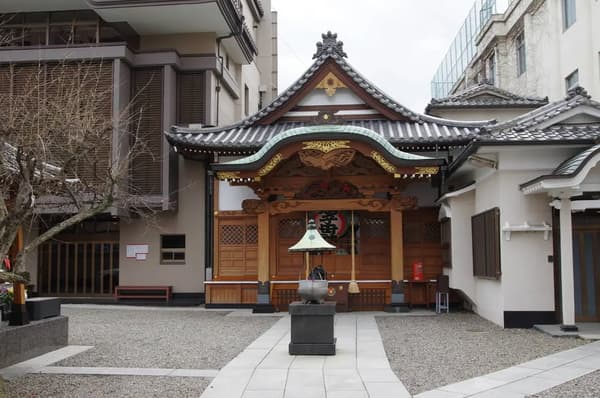
Established in 1659, Iriya Kishimojin is dedicated to Kishimojin, the goddess of children in Buddhism. Initially known for snatching and eating children, Kishimojin underwent a transformation. Her sins were later forgiven, and she is now revered as a guardian of childbirth and child-rearing.
The Iriya Asagao Festival (Morning Glory Festival), Japan's largest morning glory market, is famous for the 60 morning glory vendors and 80 stalls that line Kototoi Street around the Iriya Kishimojin. It is held in early July each year.
Yushima Tenjin
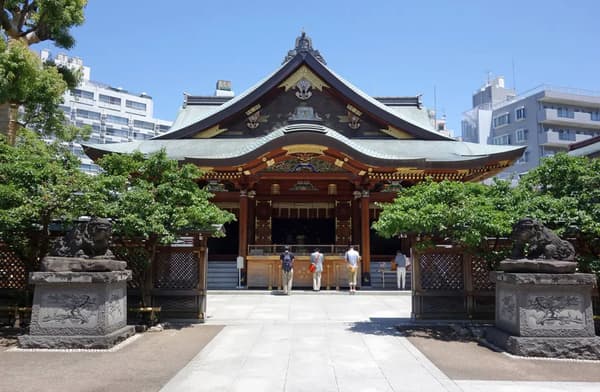
Yushima Tenjin, located in Yushima, Bunkyo Ward, is dedicated to Sugawarano Michizane, the god of learning. There are shrines enshrining Sugawarano Michizane all over Japan, but Yushima Tenjin is probably the most famous in Tokyo. As it is close to the University of Tokyo, many students visit during the examination season to pray for success, and thousands of ema (votive picture tablets) are hung up in the shrine to wish for academic success.
Around February and March, hundreds of plum trees on the grounds of the temple bloom and Ume Matsuri (plum blossom festival) is held. There are performances of Nodate (outdoor tea ceremony) and Japanese drums, and many stalls selling local specialities from all over Japan. The Chrysanthemum Festival is also held in November.
The shrine grounds also feature a Treasure Hall showcasing treasures and Japanese paintings, accessible for viewing from 9 AM to 5 PM.
Marishiten Tokudaiji Temple
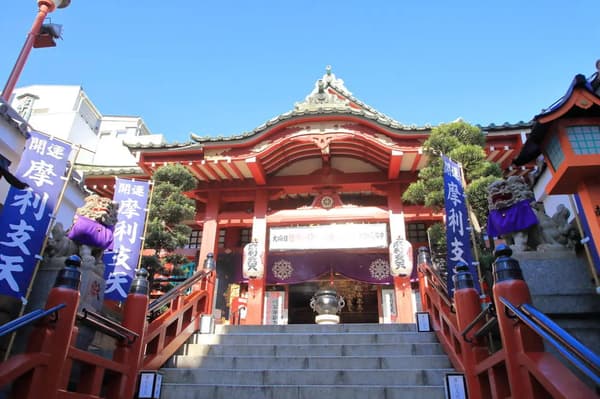
Marishiten Tokudaiji Temple is located above the Ameyoko shopping street, which is visited by many people every day. The temple was founded at the beginning of the Edo period.
The enshrined Marishiten is said to be the guardian deity of luck and victory, and is said to be a spiritual guardian deity that "gives energy, strength and wealth", "removes evil, invites good fortune and opens up luck" to those who visit the temple. If you are walking through Ameyoko, look up -- the temple entrance is easy to miss.
2 spots to stop for shopping
Nozawaya
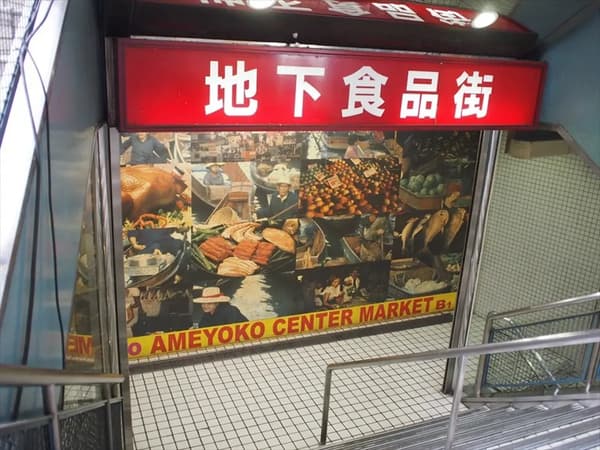
The Ameyoko Centre Building, which is said to be the birthplace of Ameyoko, is located in the heart of the shopping street and houses shops selling food, fashion and cosmetics. The Ameyoko Centre Building's basement food area is a deep spot that attracts many visitors.
Nozawaya, one of the shops here, sells Asian foodstuffs, and seasonings and spices from South America. It has more than 1,000 products, including more than 200 spices from all over the world. There are also various types of beans commonly used in curries and stews in India and South America, so you can buy the authentic ingredients for your overseas cuisine cooking.
The store also stocks many unique items such as the world's hottest habanero from Mexico, Chinese stinky milk and tortoise jelly, so just taking a peek is an exciting experience.
Yanaka Ginza
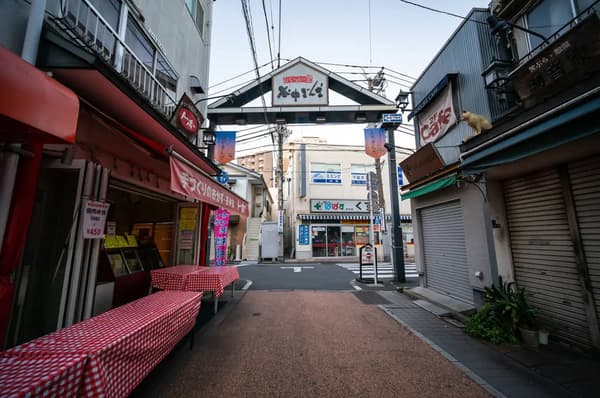
Yanaka Ginza has been around since about 1945 and developed as a shopping street. Visitors can enjoy the old town atmosphere and friendly communication with shopkeepers. It is 170 m long and is lined with approximately 60 shops, including old-fashioned private shops. Many people visit even on weekdays.
In 2015, an official character, Sen-chan, was created and can be seen at shopping street events and on billboards. The stairs leading up to Yanaka Ginza are called 'Yuyake Dandan' and are popular as a spot to watch the sunset -- on a clear evening, the view of the sun going down over the rooftops is genuinely worth the walk. For a full guide to the Yanesen area, see our article on things to do in Yanesen.
You can also book a private walking tour of Yanesen if you want a local guide to show you around the back streets.
A place to enjoy art
The University Art Museum
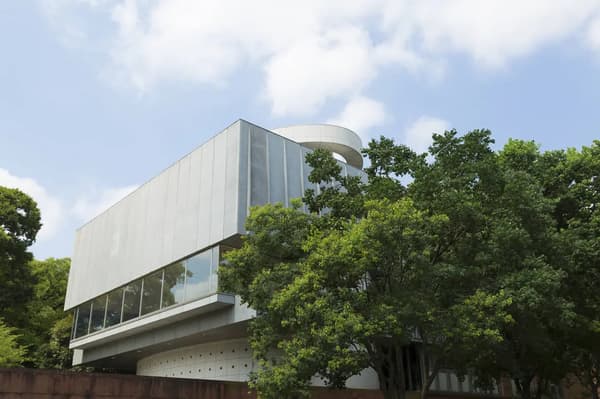
The University Art Museum is located in the heart of Ueno. It concentrates on reference works that enhance art education and functions as a repository for art materials. The museum houses a collection of around 30,000 items, including works by teachers and university graduates.
The museum's main building is divided into three sections: exhibition, collection and research management, and houses a cafeteria, art materials shop and museum shop. The museum shop sells exhibition catalogues and original goods, making it a popular spot for art lovers. There are no permanent exhibitions, and visitors are only allowed into the facility when special exhibitions are being held.
2 family-friendly spots
International Library of Children's Literature
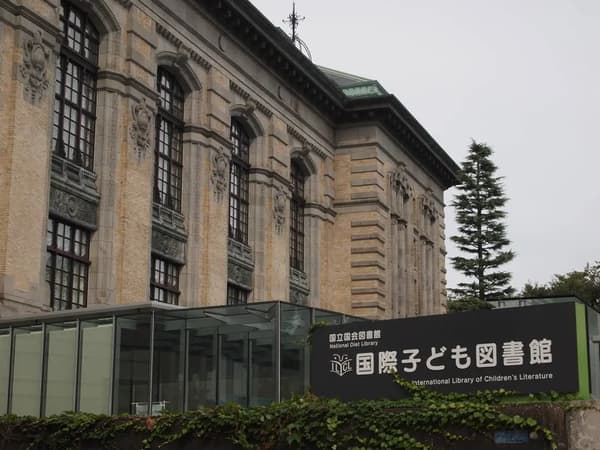
The International Library of Children's Literature, National Diet Library, located a 10-minute walk from Ueno Station, is based on the philosophy that "Children's books connect the world and open up the future!". The library provides library services related to children's books in Japan and abroad.
There are two buildings: the Brick Building and the Arch Building. The Brick Building houses the Children's Library with approximately 10,000 children's books for primary school children and younger, and there is also a space where visitors can take off their shoes and read books in comfort. There is also a 'Research Room' with materials for research by junior and senior high school students, and a spacious lounge.
Kingyo zaka (Goldfish Hill)
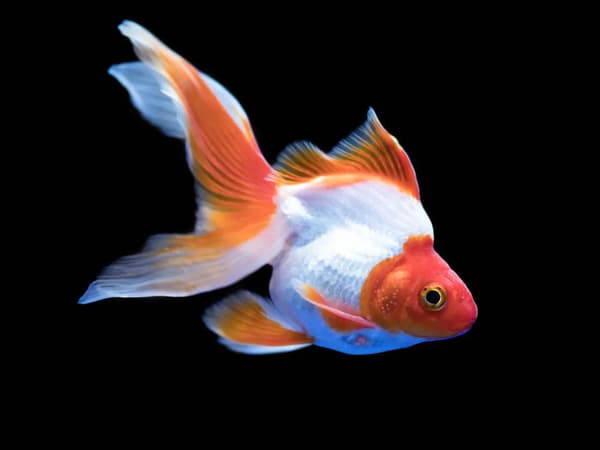
Kingyo-zaka is a long-established goldfish wholesaler in Ueno, which has been in business for more than 350 years. At this goldfish shop, you can try your hand at goldfish fishing. While goldfish 'scooping' is often seen at festivals in Japan, not many people have experienced goldfish 'fishing'. Using a rod and bait to catch goldfish is sure to be a lot of fun for kids and adults alike.
There is a coffee shop decorated with paintings of goldfish motifs, so you can relax in a space full of goldfish. In addition to selected coffee, Chinese tea, tea and desserts, cigars are also available. The menu also includes everything from kaiseki dishes to curry and rice and oyakodon (chicken and egg bowl).
4 delicious food spots in Ueno
Anmitsu Mihashi
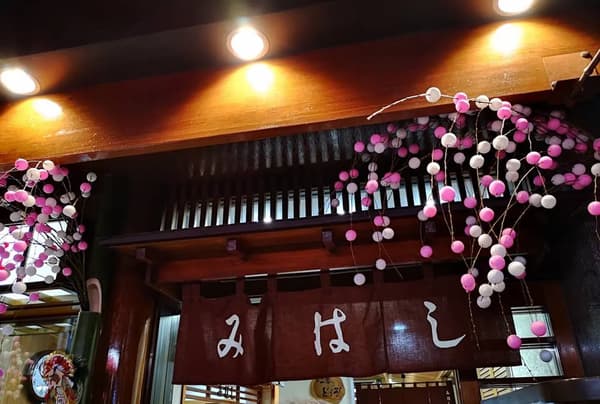
Mihashi was founded in 1948 as an Anmitsu (Japanese dessert) shop in front of Ueno Park during the post-war period when chaos still prevailed. At the time, food shortages were a serious issue and the shop was very prosperous with customers enjoying Anmitsu. Mihashi's Anmitsu contains sweet bean paste, agar jelly, honey, red peas, gyuhi (softer variety of mochi) and mandarin oranges. If you pass by after a park visit, it is well worth a stop.
Izuei
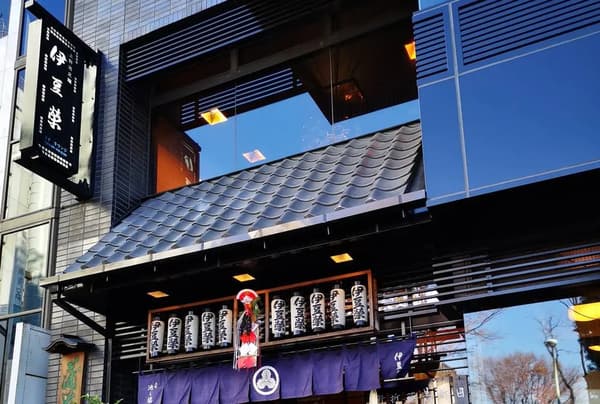
When you hear the word 'Edomae', you may be more likely to think of sushi. But in the Edo period, 'Edomae' was synonymous with eel. Izuei has been serving eel for more than 300 years and continues to deliver the taste of Edo-mae eel that has been passed down through generations.
Izuei's plump and fragrant eel, covered with a rich sauce, has been loved by many historical figures too. The restaurant also serves shirayaki (grilled eel without sauce) and unadon (eel rice bowl), and sells souvenirs.
Usagiya
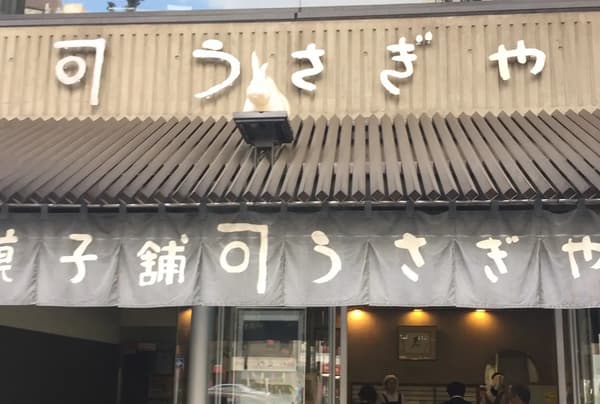
Usagiya, located approximately 4 minutes walk from Exit A1 of Ueno Hirokoji Station, is a Japanese confectionery shop founded in 1913. It was founded by Kisaku Taniguchi from Toyama Prefecture. All of the products are affordable and attractive.
Signature products are dorayaki (Japanese red bean pancake), Kisaku monaka (crispy wafers with sweet bean paste inside) and usagi manju (bunny-shaped buns). Be sure to try them freshly made on the spot. The dorayaki in particular sells out early on busy days, so aim for a morning visit.
Niku no Oyama
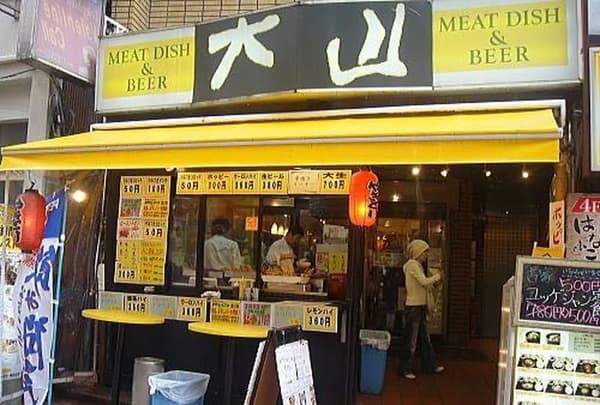
Niku no Oyama was established in 1932 and is directly owned by a local meat wholesaler. Its specialities are freshly fried 'Menchi' (minced meat cutlets) and 'croquettes'.
All items are affordably priced, but for a more indulgent bite, try the 'Special Menchi' or 'Takumi no Wagyu Menchi'. The restaurant also offers a standing drinking area where you can pair a cold beer with your croquettes -- a local favourite after a day of exploring Ameyoko.
Practical tips for visiting Ueno
Getting there: JR Ueno Station is served by the Yamanote, Keihin-Tohoku, Joban, and Utsunomiya/Takasaki lines. Tokyo Metro's Ginza and Hibiya lines also stop at Ueno Station. Keisei Ueno Station connects directly to Narita Airport via the Skyliner (about 40 minutes).
Best time to go: Mornings are best for the museums and zoo, as crowds build after noon. If you want to combine museum-hopping with Ameyoko, start at the park side in the morning and work your way down to Ameyoko in the afternoon. Most museums and the zoo close on Mondays (or the following Tuesday if Monday is a public holiday), so avoid planning a museum day on a Monday.
Cherry blossom season: The 2026 Ueno Sakura Matsuri runs from March 14 to April 5. Bloom timing varies by year, but full bloom in Tokyo usually falls around late March to early April. Weekends during peak bloom get extremely packed, so a weekday visit is much more relaxed. For evening hanami, the park path is lit with lanterns during the festival period.
For nightlife: Ueno's side streets, especially around Ameyoko, are packed with izakaya and bars. For a guided experience, try one of these bar-hopping tours.
Capture the moment: If you want professional photos of your Ueno trip, consider booking a photoshoot -- especially popular during cherry blossom season.
Nearby areas: Ueno is a great base for exploring the Yanesen area (Yanaka, Nezu, Sendagi), which has a completely different old-town feel. You can walk from Ueno Park to Yanaka Ginza in about 15 minutes.
For more inspiration, see our list of spots in Ueno and Yanesen.