Summary
One of the joys of traveling lies in savoring local cuisine, and the beauty of the changing seasons adds to the experience!
We set out on a day trip from Shizuoka City, chasing a view you simply cannot get among tall buildings. Sumatakyo Gorge delivered exactly that — emerald green water, a swaying suspension bridge, and mountain air that felt a world away from the coast. So hope this trip plan helps you plan your own Shizuoka adventure.
*Please note that information and prices listed are subject to change.
Getting to Sumatakyo Gorge
Sumatakyo is in Kawanehoncho, a mountainous part of northern Shizuoka Prefecture. Most visitors arrive by car (about 2 hours from Shizuoka City via Route 362), but you can also get there by public transport:
- Take the JR Tokaido Line to Kanaya Station
- Transfer to the Oigawa Railway and ride to Senzu Station (about 70 minutes — a scenic ride in itself)
- From Senzu Station, catch the Kawanehon Town Bus (Sumatakyo Line) to Sumatakyo Onsen (about 40 minutes)
Bus departures from Senzu are limited, so plan ahead. Schedules change between summer and winter, and some stops shift seasonally. Check the Kawanehon Town website before you go.
Good to know: A voluntary conservation fee of 500 yen per person per day was introduced in April 2025. This goes toward trail maintenance and the preservation of the gorge.
Travel Itinerary
11:30am Sumatakyo Gorge
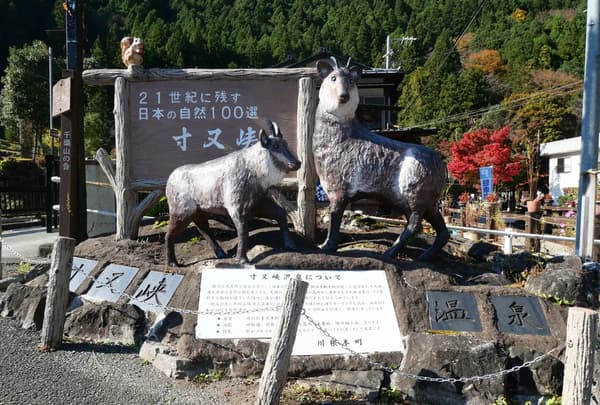
This time, we took a drive to Sumatakyo Gorge. It has been selected as one of the 100 best Japanese nature spots to leave behind for the 21st century — and you can see why the moment you step onto the trail.
It takes about 30 minutes on foot from the parking area to reach the Dream Suspension Bridge.
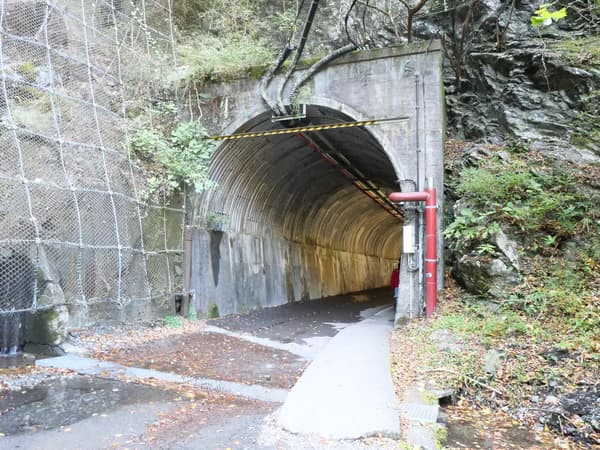
Found tunnel
This tunnel was the path of a trolley train until the early Showa period.
Inside a tunnel
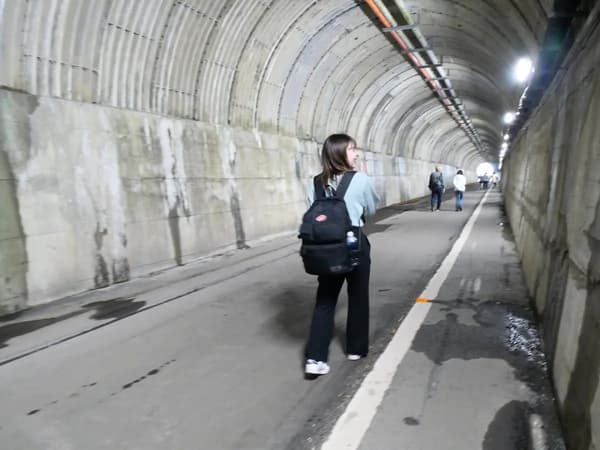
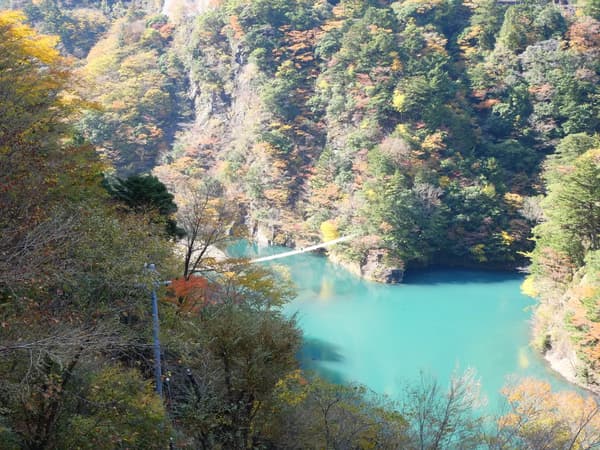
Once through the tunnel...
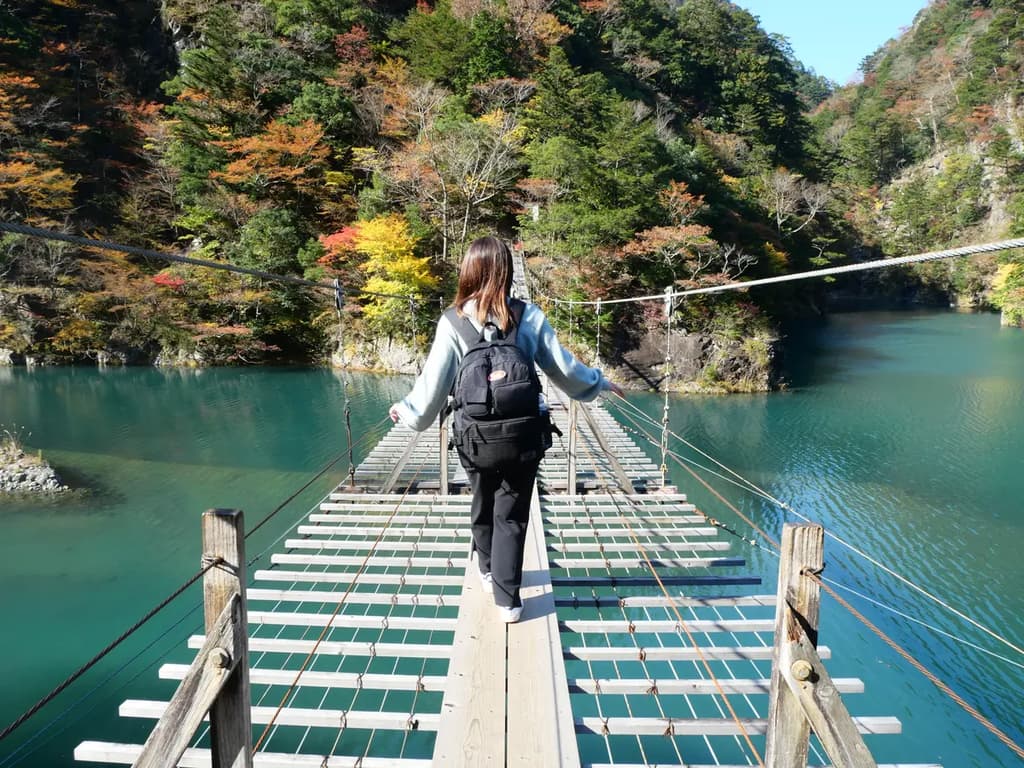
There is a bridge over an emerald green lake there!
After crossing the bridge, 304 steps await you
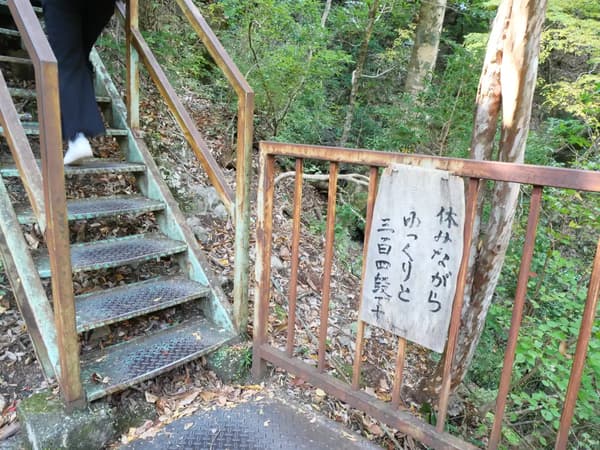
Climbing slowly, out of breath, the view is spectacular!
The suspension bridge you were crossing earlier is directly below you. The contrast between green water and forest canopy is something else.
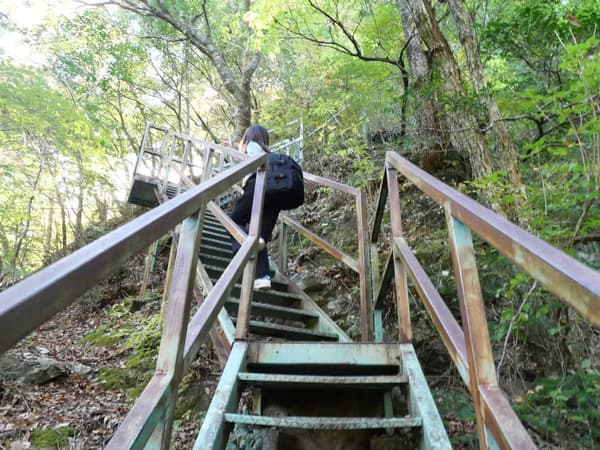
You can enjoy the suspension bridge from many different angles
You can also see the suspension bridge from the Hiryu Bridge, which is on a 90-minute walkway around the area. Hiryu Bridge is a 100-meter-high arch-shaped iron bridge — the view down is not for the faint of heart.
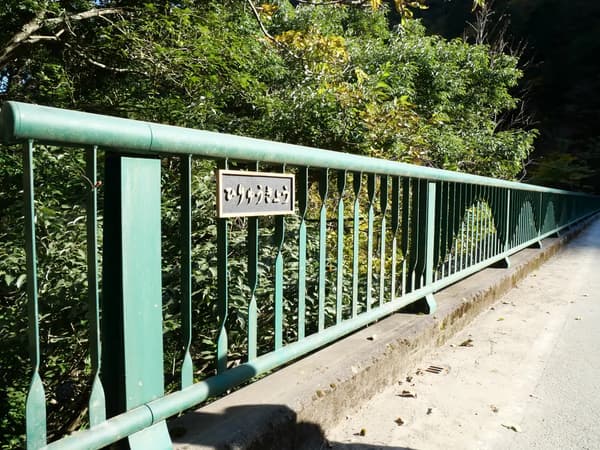
Arrival at the suspension bridge!
It's nice and breezy.
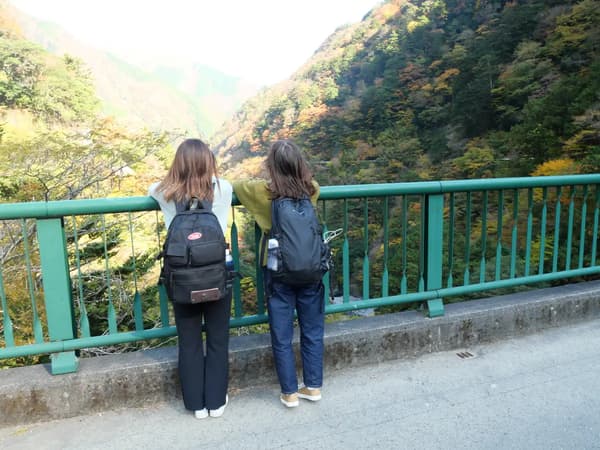
Sumatakyo Gorge is a gorge on the Sumata River, a tributary of the Oigawa River. It is a popular spot for its scenery and its many characteristic bridges, including the Dream Suspension Bridge and the Hiryu Bridge.
Walking hours: April to November, 7:00 to 17:00 (last entry 16:00). December to late February, 7:00 to 16:00. Hours may change, so check the Kawanehon Town website before your visit.
12:00pm Dream Suspension Bridge
After a 30-minute walk along the promenade, you arrive at a bridge 90 meters long and 8 meters above the water. Only 10 people can cross at a time! That is why we were able to photograph the scenery without crowds in the frame.
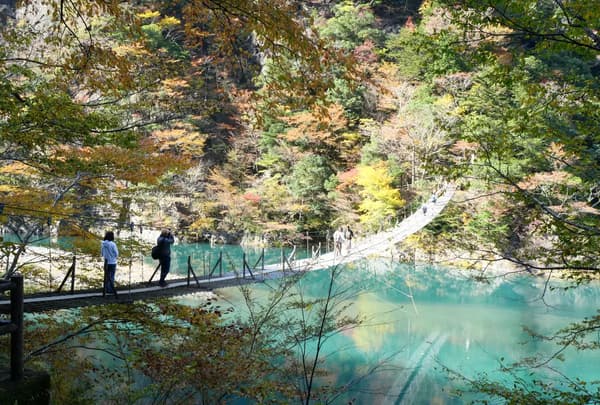
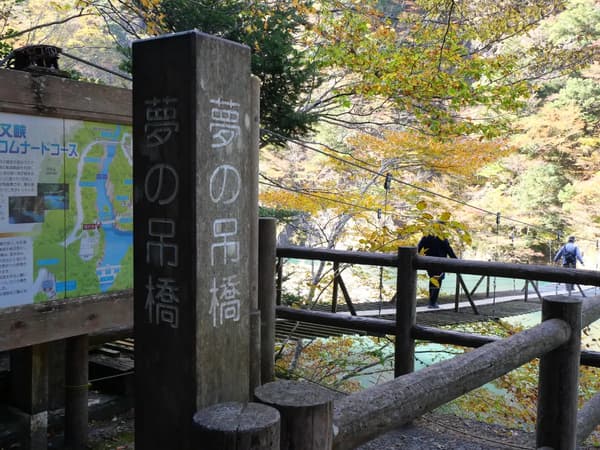
Impressed by never-before-seen scenery
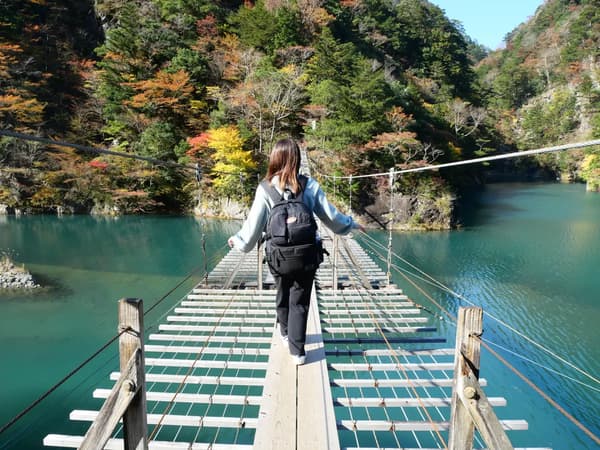
The emerald green and cobalt blue surface of the lake changes with the light and the seasons. Autumn brings fiery red foliage reflected in the water, while spring and summer give you layers of deep green.
Parking is available near the gorge (500 yen). The area gets very crowded on holidays and during autumn foliage season, so arriving early in the morning is recommended — waits for the bridge can reach 1 to 2 hours on busy days.
2:30pm Kuretake Shokudo (Restaurant)
After a lot of walking, we went for lunch! This is Kuretake Shokudo, famous for its handmade soba noodles.
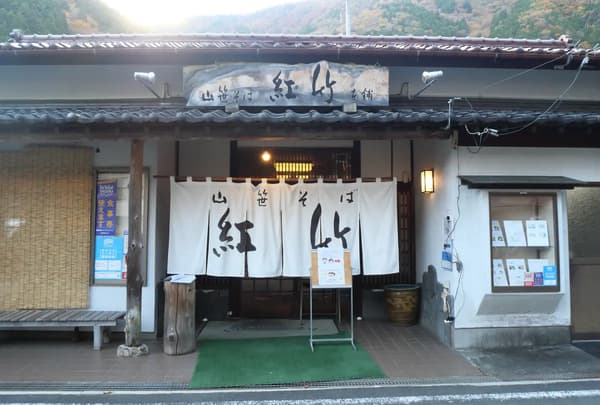
Shop interior
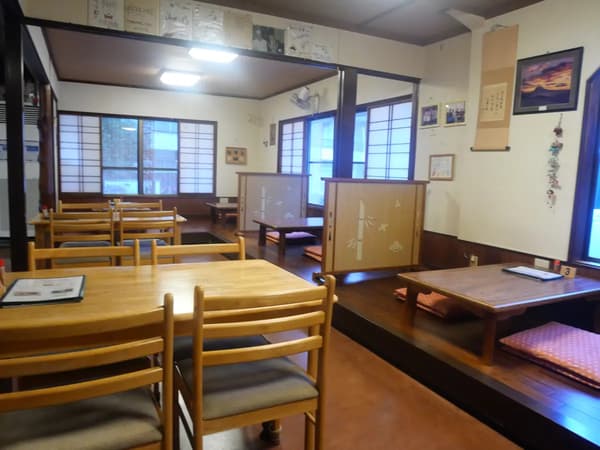
Specialty menu: Keiryu (mountain stream) soba and Keiryu udon
Plenty of ingredients unique to the mountains: fried landlocked salmon, plus tempura of mushrooms and river shrimps.
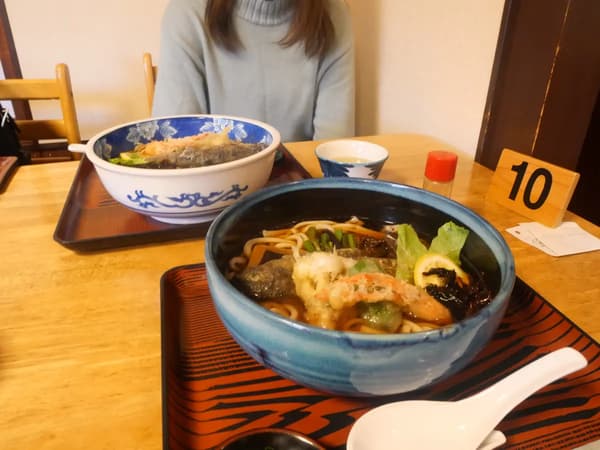
Satisfying

Souvenirs
Soba noodles can be bought as souvenirs.
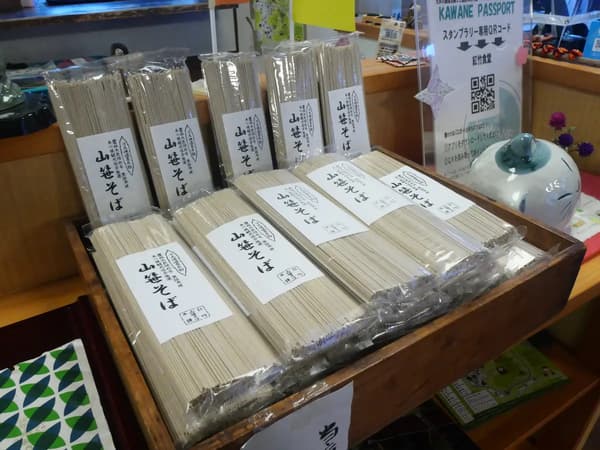
Kuretake Shokudo in Kawanehoncho is a restaurant known for its handmade soba. You can also try local dishes like katsudon and katsuju. A good stop after all that hiking.
3:30pm Yasutake Shoten
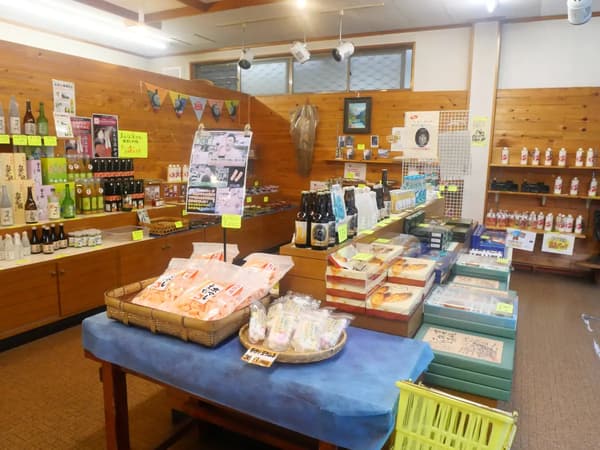
This shop was next to the soba noodle shop. If you've come all the way to Sumatakyo, pick up some souvenirs here.
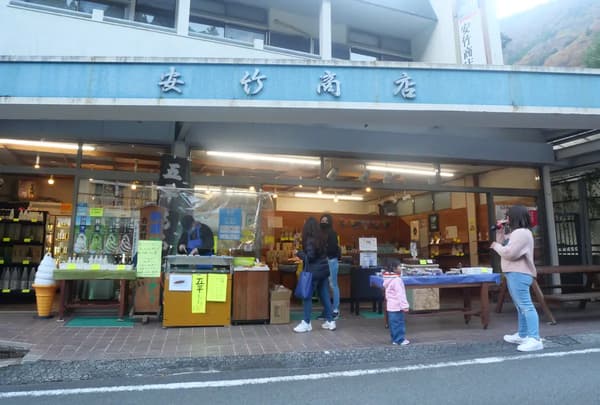
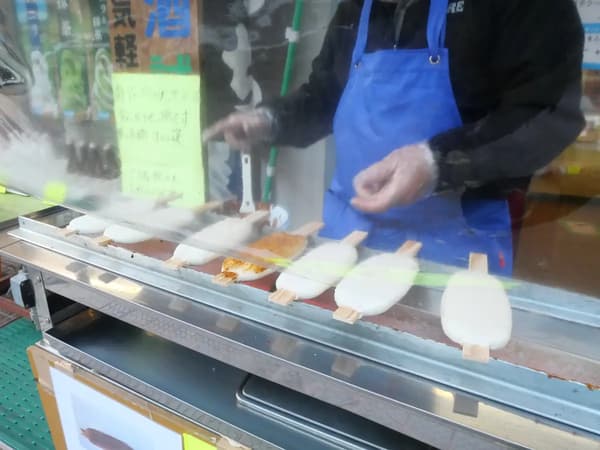
Gohei Mochi (Rice Cake with Sweet Walnut Miso)
Gohei-mochi were available at the shop front, freshly made by the owner.
Varies from sundries to foodstuffs
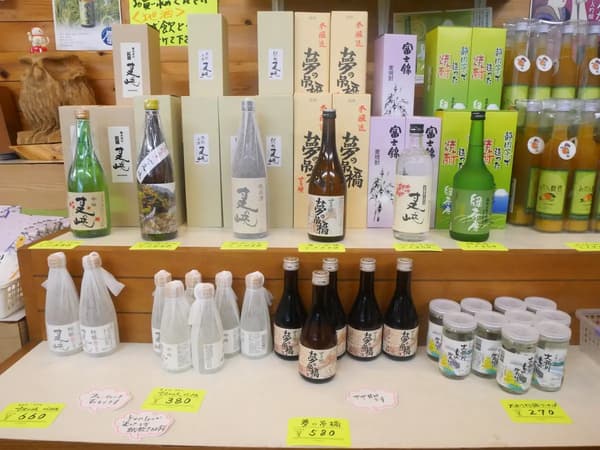
Also original local sake from Sumatakyo!
The sake called "Sumata no Kyo" is recommended for its light aftertaste.
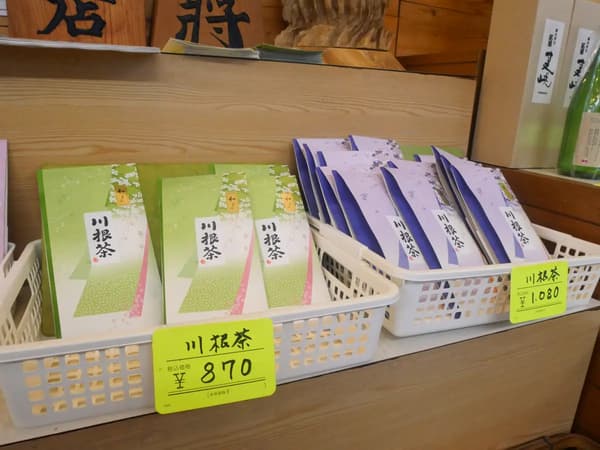
Kawane tea — tea produced in the Kawane region
This mountain tea is grown in the Southern Alps foothills. Shizuoka Prefecture produces about 40% of Japan's green tea, and Kawane tea is prized for its mild, sweet flavor.
Ramune
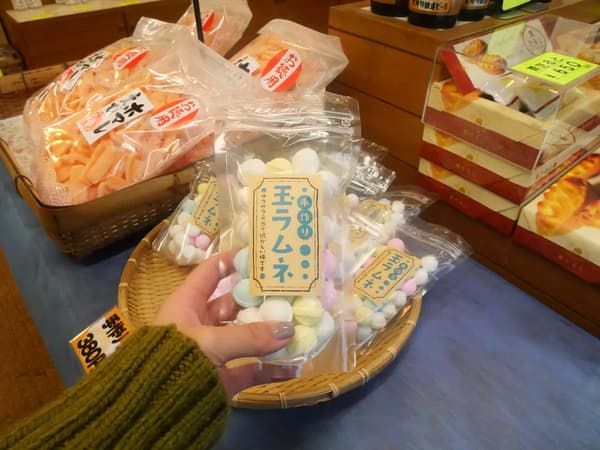
Buy soda pop in cute packaging!
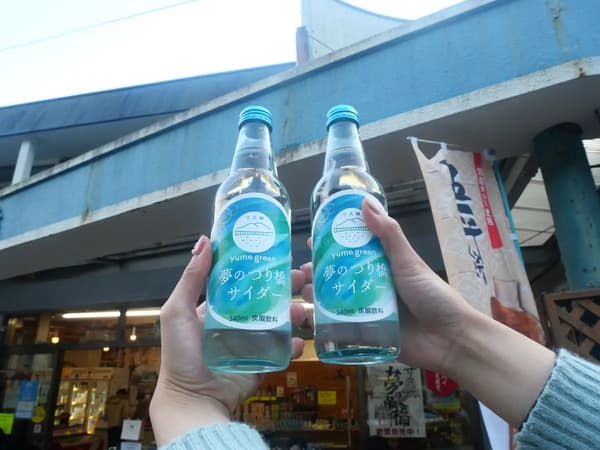
Yasutake Shoten is a long-established sake shop in Kawanehoncho where you can find sake exclusive to the Sumatakyo area. It also offers local specialties, souvenirs, and foodstuffs — a natural stop after your hike.
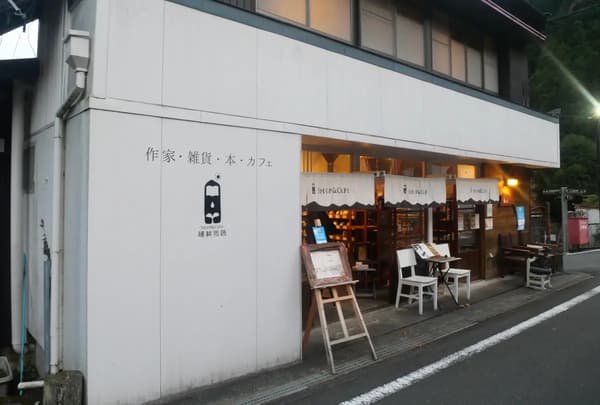
SHOP&CAFE Seikou-Udoku
After buying souvenirs, go to the cafe whose name means "work on sunny days, read books on rainy days."
A great place to sit down and take in the mountain surroundings of Sumatakyo.
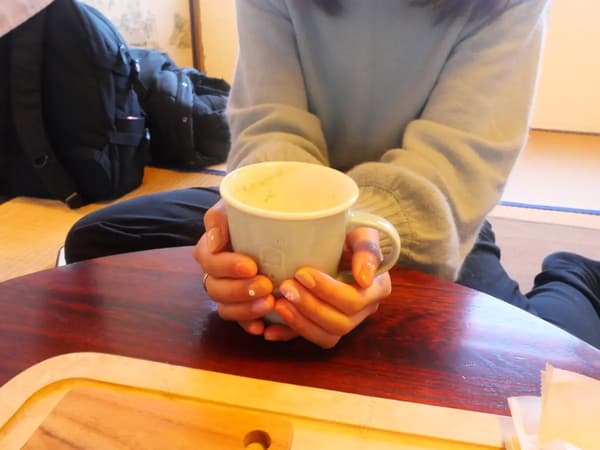
Order a Kawane black tea and usucha latte with dessert
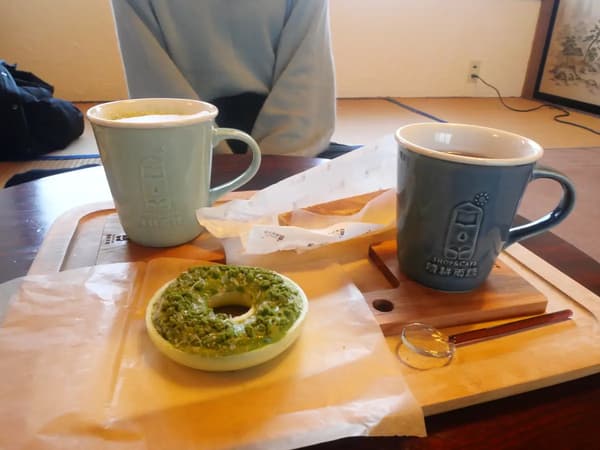
Get all warmed up
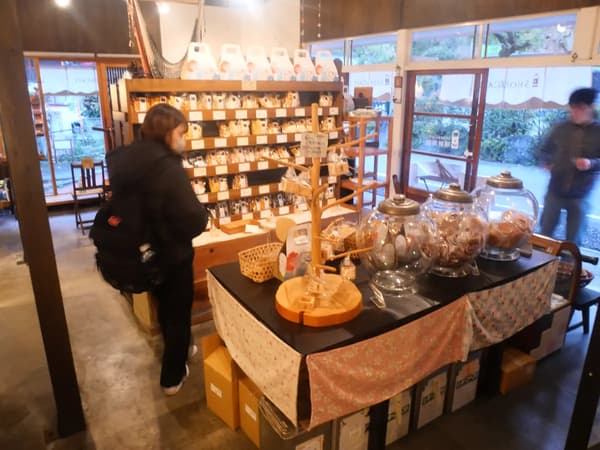
Souvenirs on the ground floor
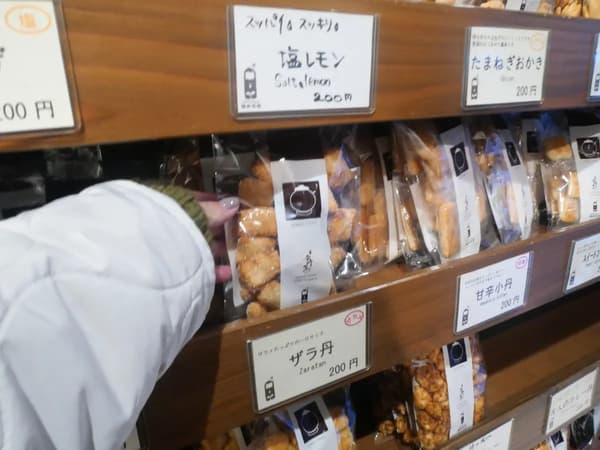
Delicious looking crackers
Cute tableware
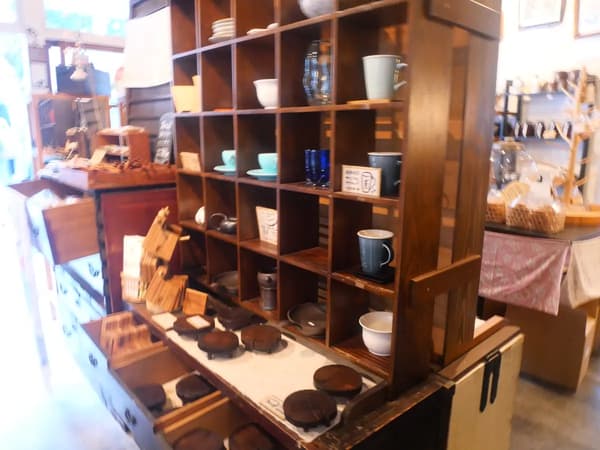
Wooden cutlery
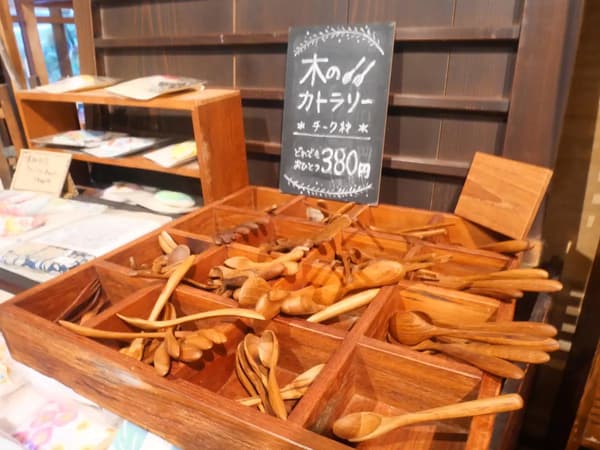
SHOP&CAFE Seikou-Udoku offers dozens of types of rice crackers, a cafe menu, and cute sundries. The place is on the way to the Dream Suspension Bridge, and also has a footbath cafe and a hammock cafe area.
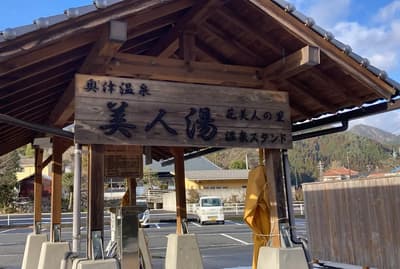
6:00pm Kawane Onsen Ashiyu (Kawane Onsen Footbath)
After one hour's drive, we arrived at the last destination of this trip! Let's conclude with a footbath.
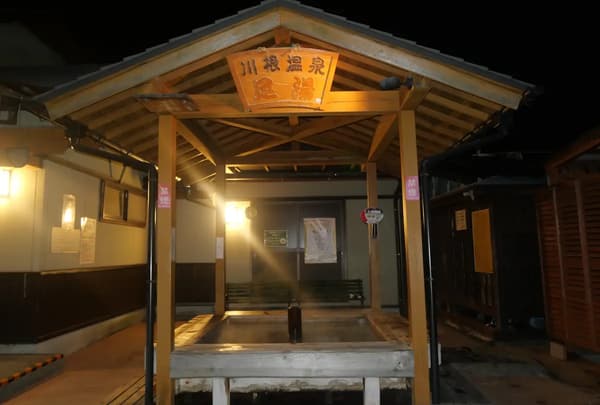
Footbath is for free
The source of the Kawane hot springs is used directly.
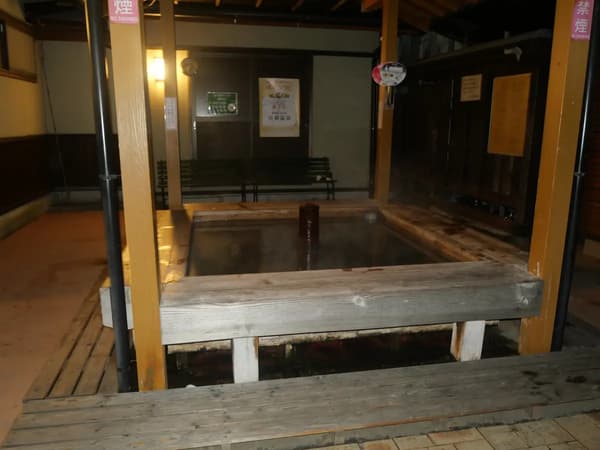
Make yourself warm
The water was almost 50 degrees Celsius — surprisingly hot — but it made me feel warm inside and out after a long day of walking.
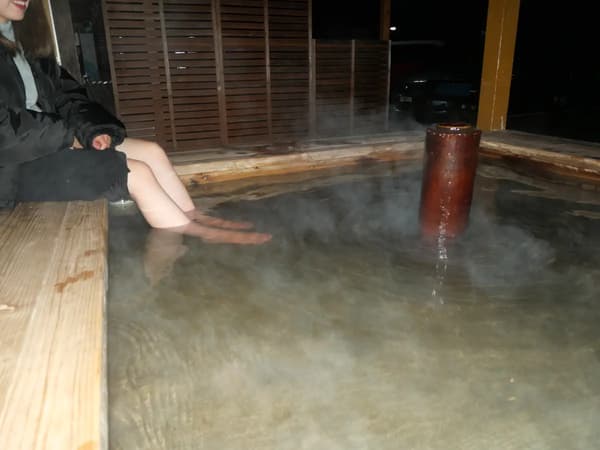
Kawane Onsen Footbath, located in Shimada City, is a free footbath using Kawane Onsen's hot spring source. Towels for wiping your feet are sold at the shop next door (320 yen).
More Things to Do in Shizuoka
Sumatakyo is one of Shizuoka's highlights, but the prefecture has plenty more to offer if you have extra time. Here are a few ideas.
Mt. Fuji Viewpoints
Shizuoka sits on the southern side of Mt. Fuji, and several spots offer views that are hard to beat:
- Nihondaira / Yume Terrace — A hilltop observation deck above Shizuoka City with a 360-degree panorama. On clear days you see Mt. Fuji, Suruga Bay, and the Izu Peninsula all at once. From here you can also take a ropeway down to Kunozan Toshogu Shrine.
- Miho no Matsubara — A pine-lined beach that is part of the Mt. Fuji World Heritage Site. The classic composition of Fuji, pines, and the sea has been painted and photographed for centuries. About 30 minutes by bus from Shimizu Station.
- Satta Pass (Satta Toge) — A cliffside viewpoint made famous by Hiroshige's woodblock prints. The view includes Mt. Fuji, the Tokaido road, and the coastline. Less accessible than the other two but worth it for photographers.
All three are best visited on clear mornings. Fuji is most visible from late autumn through early spring.
Shizuoka Food
Shizuoka has a strong local food scene. A few dishes worth tracking down:
- Shizuoka oden — Dark-broth oden served with fish-meal powder (dashiko) and mustard. Best sampled at the oden street stalls in Aoba Yokocho near Shizuoka Station.
- Sawayaka hamburger steak — A chain found only in Shizuoka Prefecture. The "Oniku" beef hamburger is cooked on a hot plate and cut open at your table. Lines are long, especially on weekends.
- Shirasu-don — A bowl of rice topped with tiny whitebait (shirasu), often served raw. Yui and Shimizu ports are known for fresh catches. Note that shirasu season runs roughly from late March to early January, with a winter fishing ban.
Seasonal Tips
- Late February to early March: Kawazu cherry blossoms bloom on the Izu Peninsula, one of the earliest sakura events in Japan
- Late March to early April: Standard cherry blossom season at Sunpu Castle Park in Shizuoka City (about 500 trees)
- April to May: Tea-picking season in the Shizuoka tea fields. Some farms in the Makinohara and Kawane areas offer hands-on tea-picking experiences
- Autumn (October to November): Sumatakyo Gorge is at its most dramatic during autumn foliage. Expect crowds — go on a weekday if you can
Explore Shizuoka with a Local Guide
Want to see a different side of Shizuoka? We offer a couple of experiences in the area: