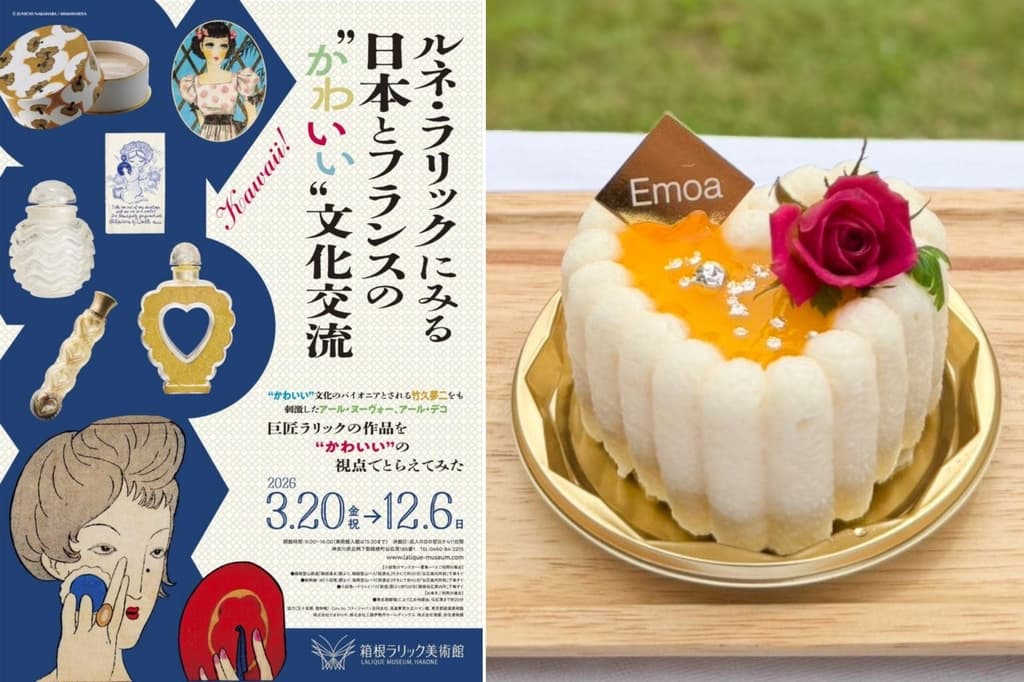
Hakone Emoa Terrasse by Onkochishin, located in Hakone, Kanagawa Prefecture, is launching a summer-limited sweet called "Coeur Joie" on July 1, 2026. The dessert is the second collaboration with the ongoing special exhibition at the adjacent Hakone Lalique Museum, "The 'Kawaii' Cultural Exchange Between Japan and France as Seen Through René Lalique."
A Dessert Inspired by the Perfume Bottle "Coeur Joie" on Display
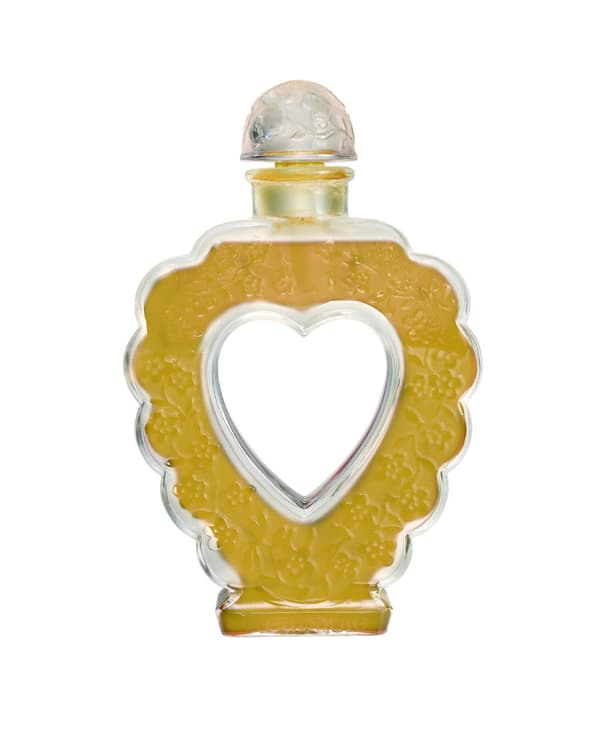
Marc Lalique, Perfume Bottle "Coeur Joie," 1944
"Coeur Joie" was the first fragrance created by the world-renowned fashion brand Nina Ricci. The perfume bottle was designed in 1944 by Marc Lalique, son of René Lalique, and is distinguished by a heart-shaped cavity at its center. Its name means "joyful heart" in French, and its delicate, graceful form has captivated many admirers.
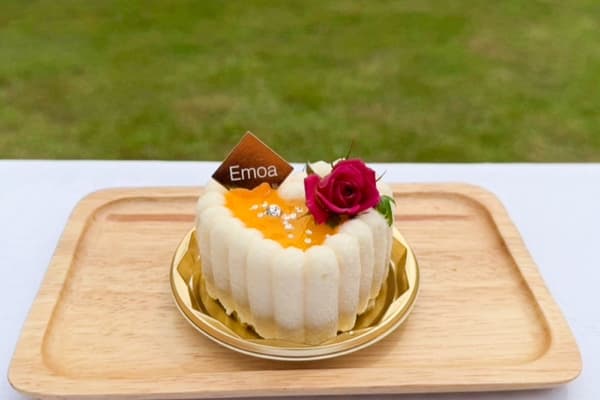
The dessert features a mousse of fromage blanc and white chocolate with a raspberry jelly inside, set on a base of mugwort-scented biscuit. The surface is coated in white chocolate, with a heart-shaped pool of passion fruit sauce that adds a vivid golden shimmer. The mellow richness of the cheese balanced against the refreshing acidity of raspberry and passion fruit makes for a light, summery taste that is perfect for the season.
- Name: Coeur Joie
- Price: ¥750 (tax included)
- Available: July 1 (Wed) – August 31 (Mon)
- Location: Hakone Emoa Terrasse by Onkochishin
- Hours: 11:30 AM–5:00 PM (L.O. 4:30 PM) / Available for both eat-in and takeout
The Second Installment in the Exhibition Collaboration Sweet Series
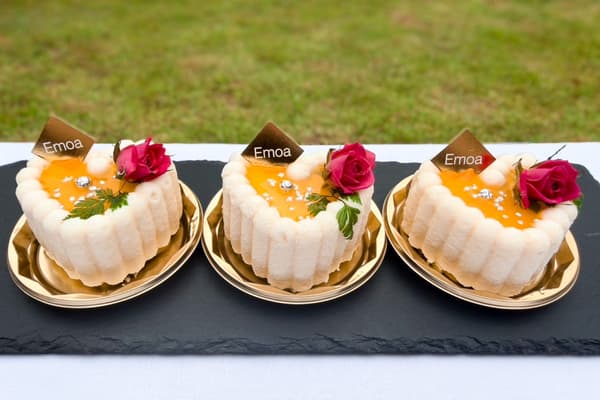
This is part of a series running through the duration of the special exhibition, which continues until December 6, 2026. Each season, a new collaboration sweet is introduced. Following the spring-limited first installment, "Sakura Chiffon," this second dessert takes its motif from a perfume bottle currently on display at the museum.
The exhibition views the work of glasswork master René Lalique through the lens of "kawaii" (cuteness), and the terrasse—directly adjacent to the museum—offers a moment where art and cuisine intertwine.
Special Exhibition: "The 'Kawaii' Cultural Exchange Between Japan and France as Seen Through René Lalique"
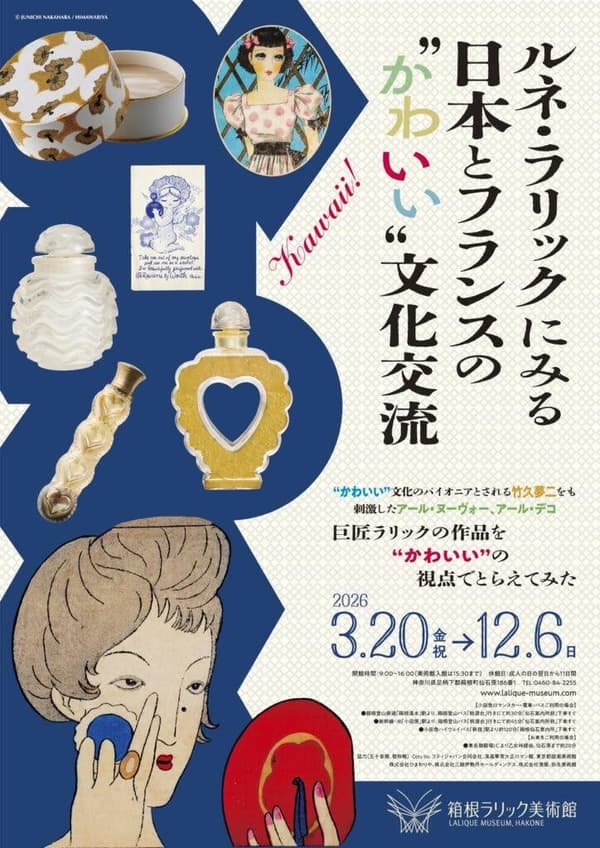
The exhibition traces connections between Japanese and French aesthetics through the jewelry and glasswork of René Lalique, a defining figure of Art Nouveau and Art Deco. In the late 19th century, "Japonisme"—the European craze influenced by Japanese ukiyo-e and crafts—had a significant impact on French decorative arts.
Lalique's works, with their motifs drawn from nature, plants, insects, and female figures, reflect a delicate and decorative sensibility that resonates with Japanese aesthetics. These artistic currents eventually reached Japan, influencing the culture of Taisho Romanticism and the development of "kawaii" culture. The exhibition explores this mutually influential exchange and the shared sense of "kawaii" that emerged from it.
Hakone Lalique Museum official website: www.lalique-museum.com/