Sekigahara Warland, part of the Sekigahara Gourmet Garden theme park complex, is holding its annual Sekigahara Wish-Making Wind Chime Festival — about 6,000 wind chimes strung into a 200-meter tunnel — alongside a new event for 2026, the Shofu Uchiwa Matsuri, an indoor display of roughly 1,000 uchiwa fans and sensu folding fans. Both run through Wednesday, September 30, 2026, with two photo spots set up at the indoor venue. Also on display, into early December, is the Sennari Hyotan Matsuri, an indoor exhibit of Japanese umbrellas and gourds. Together, the wind chimes, fans, umbrellas, gourds, and other lucky charms make for a good-fortune-themed lineup, and starting Monday, July 13, 2026, every visitor will receive a free original uchiwa.
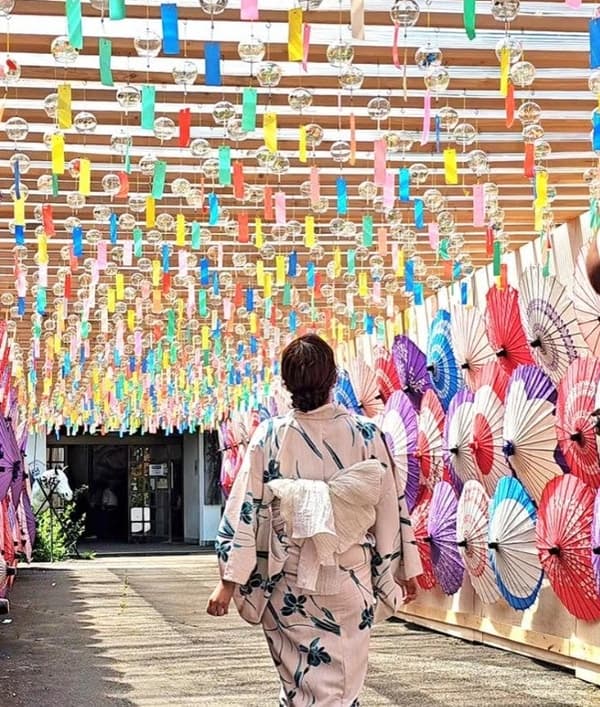
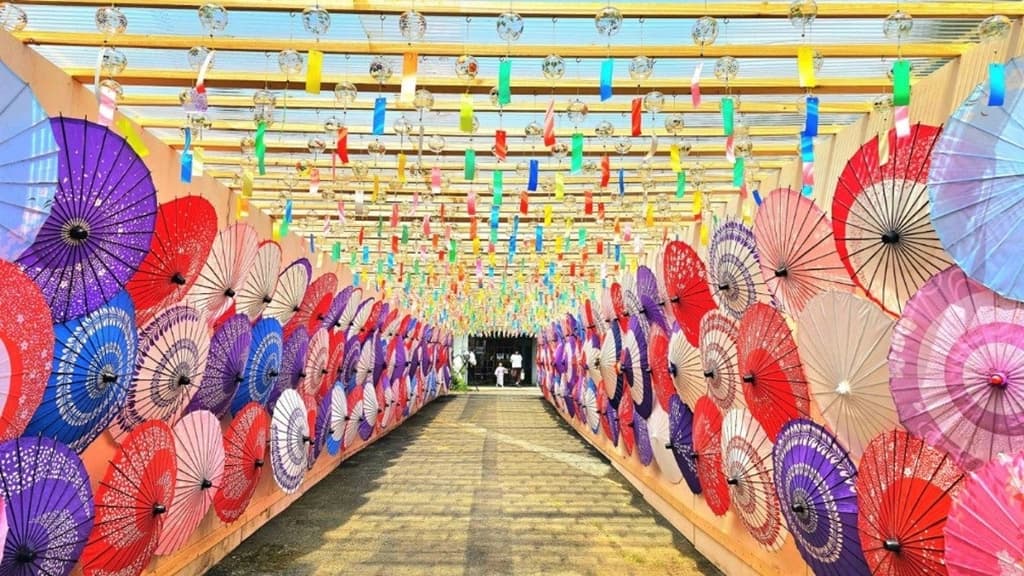
About 6,000 wind chimes decorate the Wish-Making Wind Chime Festival
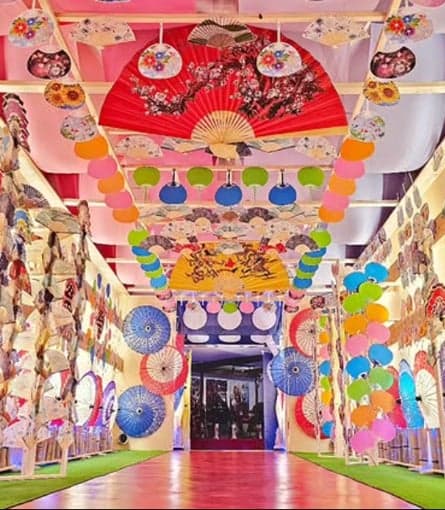
About 1,000 uchiwa and sensu fans decorate the Shofu Uchiwa Matsuri
Event Overview
- Dates: Through Wednesday, September 30, 2026
- Hours: 10:00 AM to 4:00 PM (last admission at 3:30 PM)
- Venue: Sekigahara Warland (1707-2 Sekigaharacho, Fuwa-gun, Gifu Prefecture)
- Admission to Sekigahara Warland: Adults ¥800; children (elementary school age) ¥500; preschoolers ¥300
- Every visitor receives a free original uchiwa during the event period.
- Reserving a lunch set at the neighboring Restaurant Sekigahara Hanaibuki comes with deals such as free admission to Sekigahara Warland.
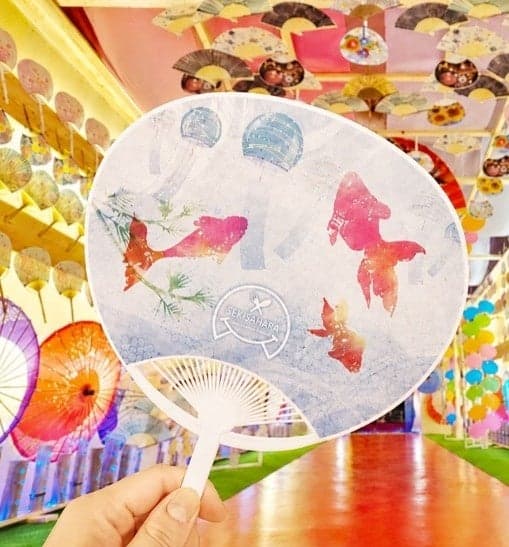
All visitors receive a free "Original Uchiwa" during the event period
Shofu Uchiwa Matsuri: New for 2026, About 1,000 Fans on Display
About 1,000 uchiwa and sensu fans decorate the indoor venue, with a "wave of fans" spreading across the ceiling and a photo wall along the walls as the main highlights. Two photo spots, "Ougi no Hane" and "Hana Uchiwa Batake," are also set up inside.
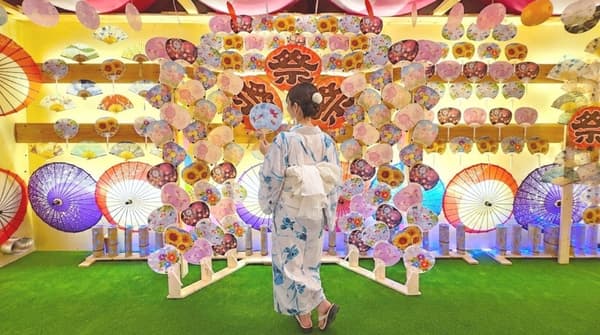
Photo spot "Hana Uchiwa Batake"
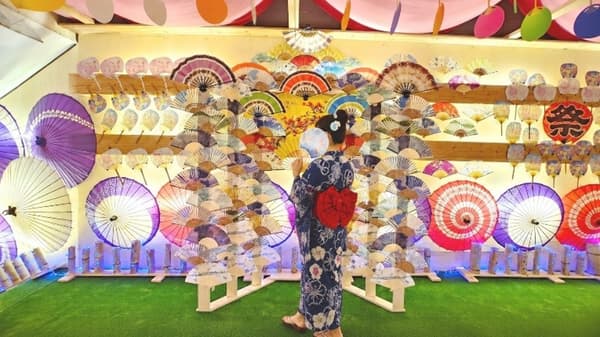
Photo spot "Ougi no Hane"
The act of fanning oneself with an uchiwa is said to do more than just stir up a breeze — it's believed to "drive away evil spirits and illness while inviting in good fortune." In earlier times, uchiwa were also used as gunbai (war fans) to direct troops in battle, or by Shinto priests during religious rites, which is how they came to be associated with "boosting one's luck in competition" and "protecting against misfortune." Even today, the uchiwa handed out at summer festivals and Bon dances carry wishes for mubyō-sokusai — staying healthy and free of illness through the season.
A sensu folding fan, when opened, spreads gradually from its rivet toward the tip in a shape known as suehirogari, or "widening toward the end." This shape is seen as a symbol of prosperity that "flourishes further into the future" and grows more abundant, making sensu a symbol of business success and household safety. For this reason, sensu have become a standard gift for celebratory occasions such as wedding favors, milestone birthday celebrations like kanreki (60th) and beiju (88th), and coming-of-age ceremonies.
Sekigahara Wish-Making Wind Chime Festival: About 6,000 Wind Chimes, Drawing 20,000 Visitors a Year
About 6,000 wind chimes are strung together into a 200-meter tunnel, filling the air with a cool, clear sound whenever the wind blows. It's a popular annual event that draws around 20,000 visitors a year. Visitors write their wishes on tanzaku strips of paper and offer them at a statue of Yakushi Nyorai.
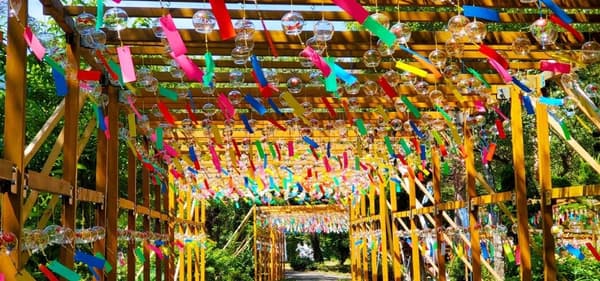
The 200-meter wind chime tunnel leads to the Yakushi Nyorai statue. When the wind blows, a cool sound rings out across the whole path.
The wind chime's origins trace back to futaku, bronze bells that arrived in Japan from China along with Buddhism. Futaku were believed to ward off misfortune — anywhere their sound could be heard was thought to be protected from calamity — and they were hung from the four corners of temple halls. During the Heian period, aristocrats began hanging them under the eaves of their homes for the same protective purpose, and they came to be known as furin, or wind chimes.
Sekigahara has twice been the stage for major conflict: the Jinshin War of 672 and the Battle of Sekigahara in 1600, the largest battle in Japanese history. Sekigahara is a place marked by tragedy, but it is also where an era of peace under a unified realm began. With a wish that such great calamity never happens again, the town holds the Sekigahara Wish-Making Wind Chime Festival.
The wind-chime-lined path leads to a statue of Yakushi Nyorai near the back of Sekigahara Warland. Known as a Buddha who grants benefits in this life, the statue is where visitors write their wishes on tanzaku strips, choosing from good fortune, health, success in competition, wealth, or career advancement. These tanzaku are later used in a goma fire ritual meant to help fulfill visitors' wishes, held by Tenmanzan Hozoji Temple — which conducts memorial services for those who died in the Battle of Sekigahara — during its annual Peace Festival memorial service on October 21.
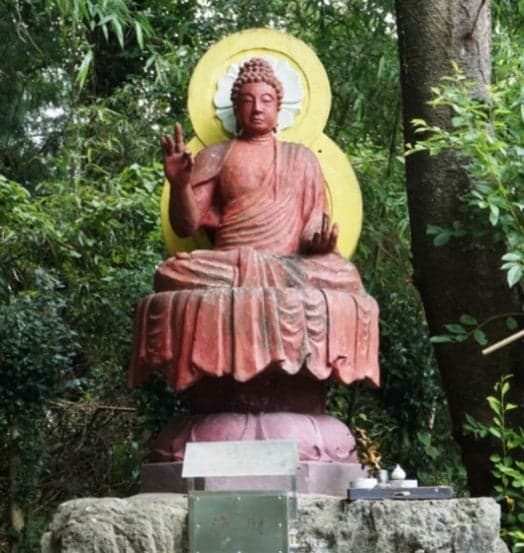
Statue of Yakushi Nyorai
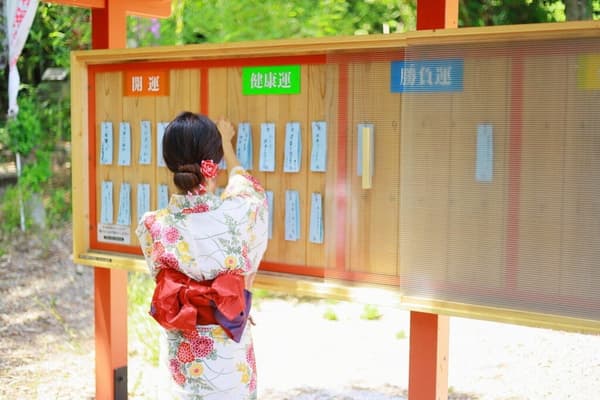
Visitors' wishes, written on tanzaku strips, are offered at the statue.
Sennari Hyotan Matsuri: About 1,000 Gourds and a 1.8-Meter Golden Gourd
About 1,000 gourds are displayed alongside Japanese umbrellas and bamboo lanterns inside the resource hall at Sekigahara Warland. A 1.8-meter golden gourd, meant to bring good fortune in wealth, is the centerpiece and a popular photo spot. The display continues into early December 2026.
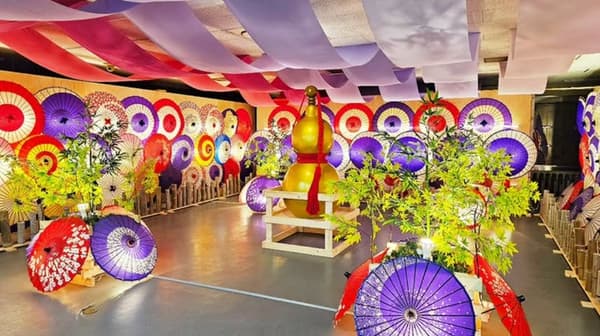
Sennari Hyotan Matsuri, with a 1.8-meter golden gourd at its center
Gourds have long been considered symbols of protection against misfortune and evil spirits. Their distinctive pinched waist is said to "draw in evil spirits and never let them out," making them a beloved good-luck charm for welcoming a healthy new year. Gathering six gourds together is also said to invoke mubyō, or freedom from illness, while three gourds are said to represent sanbyōshi, a "three-beat rhythm" symbolizing that things are proceeding smoothly.
According to legend, the warlord Toyotomi Hideyoshi carried a gourd as his battle standard, adding one more gourd each time he won a victory. He is said to have vowed to keep winning until the gourds numbered a thousand, and over time the standard came to resemble a mass of countless gourds. This is the origin of the story of the sennari hyotan, or "thousand gourds."