Chubu × Festivals & Events

Discover amazing Festivals & Events experiences in areas.Chubu

Showing 3 experiences
Lake Suwa Fireworks Festival

Lake Suwa Fireworks Festival

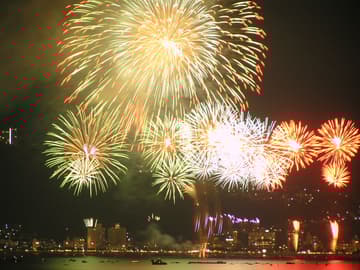
The Lake Suwa Fireworks Festival (Suwako Matsuri Kojou Hanabi Taikai) is one of Japan's most spectacular fireworks events, held annually on August 15 over the waters of Lake Suwa in Nagano Prefecture. ## Event Overview Renowned for its breathtaking over-the-water fireworks displays, the Lake Suwa Fireworks Festival features massive star mines launched from platforms set up directly on the lake. The fireworks light up the summer night sky with an overwhelming sense of scale and artistry. Because Lake Suwa is surrounded by mountains on all sides, the thunderous booms of the fireworks echo and reverberate through the valleys, creating an immersive, full-body sensory experience unlike any other. ## History The festival traces its origins back to 1949 (Showa 24), when the first event was held to bring hope and encouragement to citizens still recovering from the devastation of World War II. Originally called the "Noryo Suwako Hanabi Taikai" (Lake Suwa Summer Evening Fireworks), it was organized by the Suwa City Tourism Association with the support of local businesses and media. Over the decades, the festival has grown from a modest local event into one of Japan's premier fireworks spectacles, at times featuring productions valued at over 100 million yen and drawing crowds of up to 500,000 spectators with over 40,000 fireworks launched. Despite occasional disruptions over its long history, the festival has persevered thanks to strong community and sponsor support. ## Program Highlights - **Competition Fireworks (Part 1)**: Features music-synchronized star mines, a recent addition to the festival, alongside signature fireworks displays - **Grand Star Mines**: Massive over-the-water star mines launched from platforms on the lake, a signature spectacle of this festival - **Niagara Falls**: A spectacular cascade of fire stretching across the lake surface - **Mountain Echo Effect**: The surrounding mountains amplify the sound of every explosion, creating a deeply resonant experience ## Date and Time - **Date**: Every August 15 - **Time**: 7:00 PM onwards (rain or shine) - **Gates Open**: 11:00 AM (planned) ## Location - **Venue**: Lake Suwa, around Suwa City Lakeside Park - **Address**: Suwa City, Nagano Prefecture, Japan ## Access - **By Train**: 10-minute walk from JR Chuo Main Line Kamisuwa Station - **By Car**: Approximately 15 minutes from Suwa IC on the Chuo Expressway toward Lake Suwa (significant traffic congestion expected on the day of the event) ## Important Notes ⚠️ This page is for event information only. For viewing seat reservations and ticket inquiries, please feel free to contact us directly. Please note that availability cannot be guaranteed. ⚠️ The venue areas can become extremely crowded during the main festival days. Plan your transportation and accommodation well in advance. ⚠️ Weather conditions may affect the event schedule. The festival is generally held rain or shine, but please check official announcements for updates. ![](https://assets.hldycdn.com/cc9ec3f8-0dc7-4527-935c-de24199fa1b0.jpg)

Nagano Festivals & Events Fireworks
Nagaoka Fireworks Festival
Approximately 2 hours per night

Nagaoka Fireworks Festival

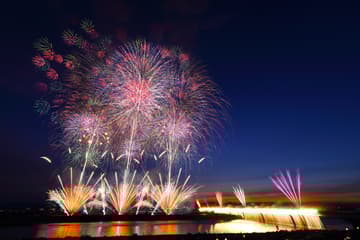
◆ Event Introduction The Nagaoka Fireworks Festival (Nagaoka Matsuri Dai Hanabi Taikai) is one of Japan's most spectacular and emotionally significant fireworks events. Recognized as one of Japan's Three Great Fireworks Festivals (Nihon Sandai Hanabi Taikai), it is held annually on August 2nd and 3rd along the banks of the Shinano River in Nagaoka City, Niigata Prefecture, drawing hundreds of thousands of visitors from across Japan and around the world. ◆ Historical Background The Nagaoka Fireworks Festival has deep historical roots tied to the city's recovery from tragedy. On August 1, 1945, during World War II, Nagaoka was devastated by an air raid that claimed 1,489 lives and destroyed 80% of the city's urban area. Just one year after the devastating air raid, on August 1, 1946, the "Nagaoka Reconstruction Festival" was held to console the spirits of those lost and to encourage the city's revival. The following year in 1947, fireworks were added to the festival, symbolizing hope, peace, and the resilient spirit of the people of Nagaoka. The fireworks continue to carry this profound meaning today, serving as both a memorial for the victims of war and a celebration of peace and reconstruction. ◆ Memorial Fireworks on August 1st On August 1st at 10:30 PM—the exact time the air raid began—three pure white firework shells are launched into the sky in a solemn ceremony of remembrance. Temple bells throughout the city ring simultaneously, creating a moment of collective prayer for the souls of those who perished and for everlasting peace. ◆ Event Details 📅 Date: August 2nd and 3rd every year 🕖 Time: 7:20 PM to 9:10 PM (both days) 📍 Venue: Shinano River riverbed, Nagaoka City, Niigata Prefecture ◆ Highlights ✨ Phoenix Fireworks One of the festival's most iconic displays is the "Phoenix" (Fukkouki) fireworks, symbolizing the city's rebirth from the ashes of war. 🎆 Large-Scale Fireworks Experience massive firework displays including wide starmine sequences and the famous "Sanshaku-dama" (3-foot shells) that illuminate the night sky in spectacular fashion. 🌊 River Reflection The fireworks reflecting off the Shinano River create a magical doubled effect that enhances the viewing experience. ◆ Important Notes ⚠️ This page is for event information only. For viewing seat reservations and ticket inquiries, please feel free to contact us directly for inquiries. Please note that availability cannot be guaranteed. ⚠️ The venue can become extremely crowded. Plan your transportation and accommodation well in advance. ⚠️ Weather conditions may affect the event schedule. ![](https://assets.hldycdn.com/6366dfa0-f698-4b47-8a7c-85854d46521e.jpg)

Niigata Festivals & Events Fireworks
Nagoya Grand Sumo Tournaments

Nagoya Grand Sumo Tournaments

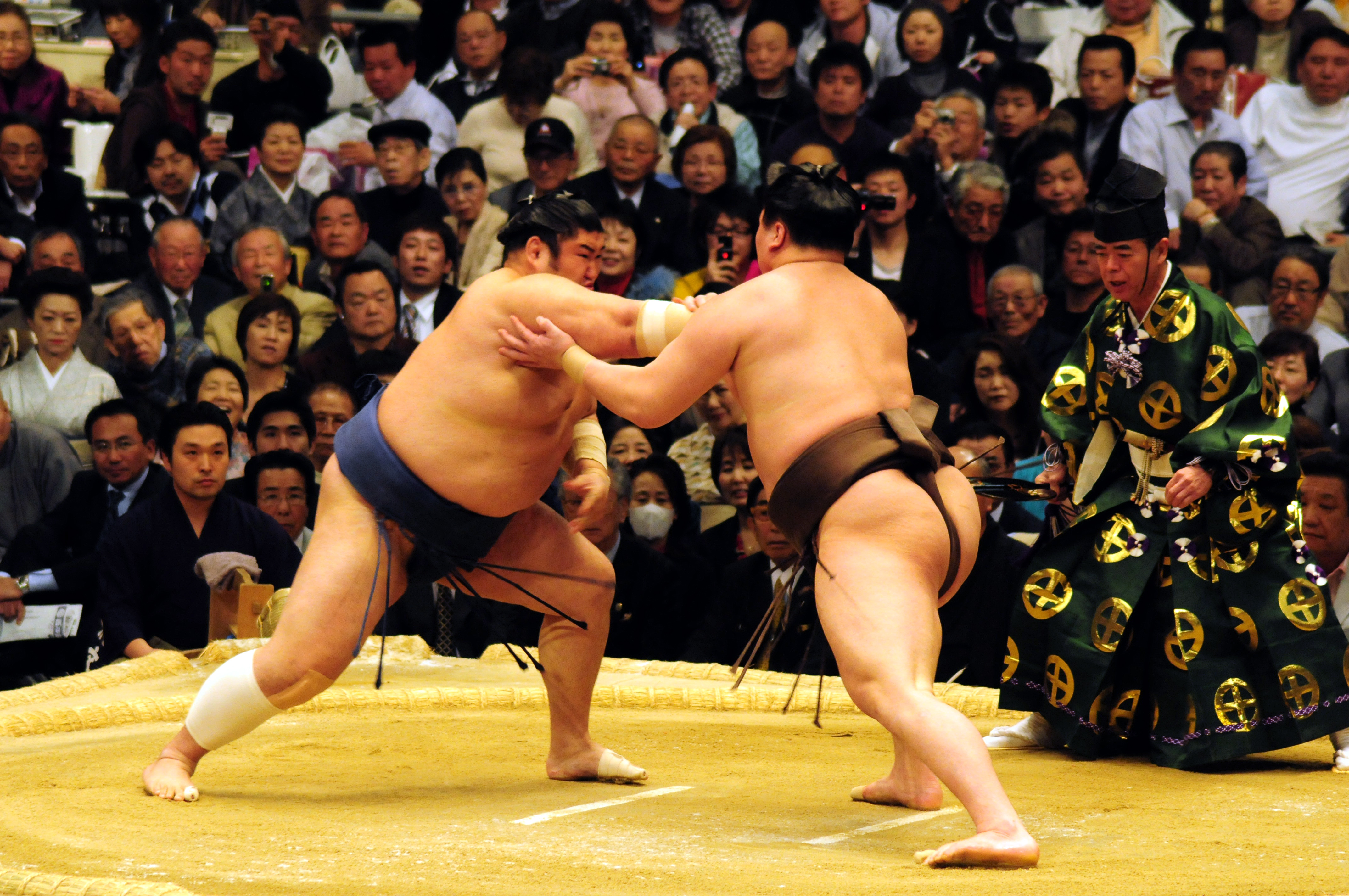
◆ Event Introduction The Nagoya Grand Sumo Tournament (名古屋場所 / Nagoya Basho), officially known as the July Tournament (七月場所), is one of the six annual Grand Sumo Tournaments (honbasho) organized by the Japan Sumo Association. Held every July in Nagoya, Aichi Prefecture, this 15-day event showcases the power, tradition, and pageantry of Japan's national sport. As the fourth tournament of the year, the Nagoya Basho is a pivotal event where wrestlers compete fiercely in the summer heat, making it one of the most exciting and physically demanding tournaments on the sumo calendar. ◆ Historical Background The modern system of six annual Grand Sumo Tournaments was established in 1958, and the July tournament has been held in Nagoya ever since. Initially staged at Kanayama Gymnasium, a converted aircraft hangar notorious for its extreme heat, the tournament moved to the Aichi Prefectural Gymnasium (later known as Dolphins Arena) near Nagoya Castle in 1965. Over many years, this venue hosted the Nagoya Basho, becoming synonymous with the tournament's intimate atmosphere and the iconic backdrop of Nagoya Castle. In recent years, the tournament has transitioned to the modern Aichi International Arena (IG Arena) in Meijo Park, a state-of-the-art facility designed by renowned architect Kengo Kuma, offering improved comfort while maintaining the prestigious sumo tradition. ◆ About the Grand Sumo Tournament Professional sumo tournaments follow a strict and time-honored format. Each honbasho runs for 15 consecutive days, during which wrestlers in the top two divisions compete once per day, building toward a final record that determines their ranking for the next tournament. The wrestler with the best record in the top division (makuuchi) is crowned champion and receives the Emperor's Cup. The ranking system ranges from the prestigious Yokozuna (Grand Champion) and Ozeki (Champion) at the top, down through the ranks of Sekiwake, Komusubi, and Maegashira. ◆ Daily Schedule 📅 A typical day at the Nagoya Basho follows a consistent pattern: 🌅 Morning (around 8:30 to 11:00) Lower-division bouts begin with the junior wrestlers. This is an excellent time to experience the rituals up close in a relaxed atmosphere. 🌞 Late Morning to Early Afternoon The Makushita and Juryo divisions take the stage as the arena gradually fills with spectators. 🏟 Mid-Afternoon to Early Evening The top-division (Makuuchi) ring-entering ceremony takes place, followed by the day's most anticipated bouts featuring the highest-ranked wrestlers. The final match of the day is always between two of the top-ranked competitors, and the day concludes with the traditional bow-twirling ceremony (yumitori-shiki). ◆ Event Details 📅 Period: 15 consecutive days in mid-July every year (typically from the second Sunday to the fourth Sunday of July) 📍 Venue: Special sumo venue in Nagoya, Aichi Prefecture (Meijo Park area in recent years) ⏰ Hours: Doors open early morning, with bouts running from approximately 8:30 through early evening ◆ What Makes the Nagoya Basho Special 🔥 Summer Heat Challenge: The mid-July timing makes it the most physically demanding tournament, testing wrestlers' endurance in the peak of summer. 🏯 Nagoya Castle Area: The tournament venue is located near Nagoya Castle and Meijo Park, allowing visitors to combine sumo viewing with sightseeing. 📊 Career-Defining Moments: As the fourth tournament of the year, the Nagoya Basho often serves as a turning point for wrestlers' careers, with promotions and demotions to key ranks frequently decided here. 🎌 Regional Character: The tournament features strong local support from the Chubu region, with Nagoya-themed goods, local food specialties, and a distinctive regional festival atmosphere. ◆ Important Notes ⚠️ This page is for event information only. For inquiries about the tournament, please feel free to contact us directly. ⚠️ The venue areas can become extremely crowded, especially on weekends and during the final days of the tournament. Plan your visit in advance. ⚠️ July in Nagoya is very hot and humid. Please take precautions against heat, stay hydrated, and bring sun protection. ⚠️ Each day's bouts run from morning through early evening. You can enter and exit the venue throughout the day with your ticket. ![](https://assets.hldycdn.com/f308def3-15de-449b-b437-2dbb9dcc2492.jpg)
Nagoya Festivals & Events