Hakata/Tenjin × Japanese Culture Tour

Discover amazing Japanese Culture experiences in areas.Hakata/Tenjin

Showing 4 experiences
Buddhist SpiritTour in Sasaguri, Fukuoka
3 hours

Buddhist SpiritTour in Sasaguri, Fukuoka

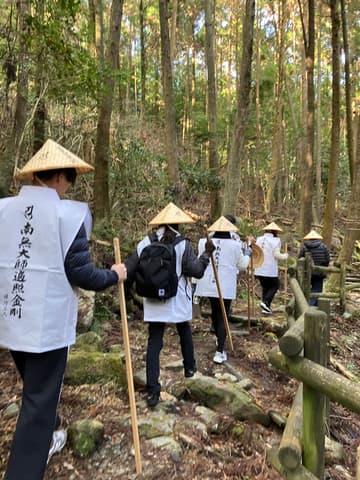
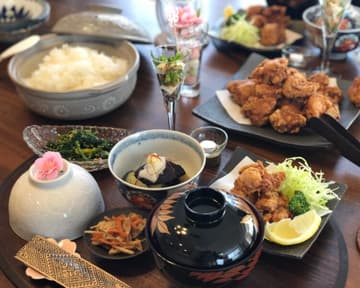
◆Introduction Sasaguri Town is conveniently located, about 15 minutes by train or 30 minutes by car from Fukuoka City, one of Kyushu's most popular tourist destinations. The town is associated with Kobo-Daishi Kukai, and is also a place where Buddhist culture remains, with the 88 temples of Sasaguri remaining. Here, you can experience a pilgrimage to the 88 sacred sites of Sasaguri Shikoku and Shingon Buddhism meditation under the guidance of a monk from a local temple. The tour will provide information about Sasaguri town and the 88 sacred sites of Sasaguri Shikoku, as well as pilgrimage etiquette and meditation methods on the spot, so even first-time Buddhists can feel at ease. Please spend a calming time through prayer. (A healthy Sasaguri pilgrimage meal set unique to Sasaguri Town is included.) ◆Included ・All Fees and Taxes ・Guide ・Costumes, walking sticks, candles and incense for the pilgrimage experience ・Lunch ・Coffee and/or Tea ・Meditation experience ◆Not included ・Transportation from lunch spot to the temple ◆Itinerary ■Meeting Point:Kidonanzoin-Mae Station Location ■Nanzoin (2 hours 40 minutes) We start Sasaguri Pilgrimage experience from Nanzoin temple, one of the famous temple in Sasaguri. While touring nine of Sasaguri's 88 temples, monks as guides will talk about Sasaguri's history, the pilgrimage and more. ■2146 Sasaguri (1 hour) At Japanese Restaurant "Sakaeya", guests will have lunch called Sasaguri pilgrimage meal set. ■Henshoin - Sasaguri Shikoku Sacred Site 62nd Temple (1 hour ) Experience Shingon meditation in a temple. The monks will teach you how to meditate in detail, even if it is your first time. Learn about the aims of meditation and experience 5-10 minutes of meditation. ◆Additional Info ・Not wheelchair accessible ・Near public transportation ・Not recommended for travelers with back problems ・Not recommended for pregnant travelers ・No heart problems or other serious medical conditions ・Most travelers can participate ・This is a private tour/activity. Only your group will participate ![](https://assets.hldycdn.com/experiences/d3ae06_e9d2c9232d994ce18a80c6f770b04149~mv2.jpg) ![](https://assets.hldycdn.com/experiences/d3ae06_756d947c82e0448098db46d0c1fe3d78~mv2.jpg) ![](https://assets.hldycdn.com/experiences/d3ae06_06c409a293244a6f8bdc2b32e420449c~mv2.jpg) ![](https://assets.hldycdn.com/experiences/d3ae06_1ffd4bb3f030478a993301ecd6a1bcfd~mv2.jpg) ![](https://assets.hldycdn.com/experiences/d3ae06_13ea3c49a16441029f7ee3ebab1f4361~mv2.jpg) ![](https://assets.hldycdn.com/experiences/d3ae06_e467fc0c71634850804f19b046a47015~mv2.jpg) ![](https://assets.hldycdn.com/experiences/d3ae06_27ea1d7cfba64277a49e22c52b9f0dcf~mv2.jpg) ![](https://assets.hldycdn.com/experiences/d3ae06_0137854f5679414e8dcc378ec01c63ff~mv2.jpg)

Fukuoka Japanese Culture Deep
¥46000~
Japanese Culture Tour in Fukuoka
6 hours

Japanese Culture Tour in Fukuoka

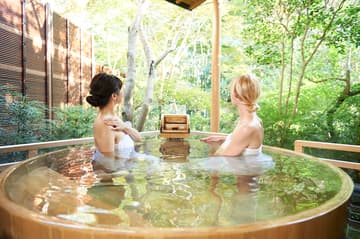
◆Introduction Explore Fukuoka's stunning natural scenery and must-see attractions, and enjoy a variety of Japanese cultural experiences along the way. Our bilingual staff, who know the area well, will guide you through Fukuoka’s charm, so you can relax and enjoy. Let’s create wonderful memories together on this unforgettable experience! ◆Included ・Transportation fees ・Cultural activity fees ・Lunch ◆Not Included ・Food and beverages other than lunch ◆Itinerary ・Hakataminami Station (博多南駅) | Exciting Shinkansen Ride Ever wanted to ride a Shinkansen? Although treated as a limited express, this train ride costs just 330 yen for a one-way trip between Hakata Station and Hakataminami Station. It’s a rare experience to enjoy a Shinkansen at such a low fare on this famous line, which connects Hakata Station and the Hakata Depot. ・Make Your Own Calligraphy T-Shirt | Unique Souvenir Near the station, try creating your own kanji T-shirt. Choose Japanese characters, write them in brush calligraphy, and print your design on a T-shirt for a one-of-a-kind souvenir! This experience is sure to be a memorable part of your trip. (50 min • Free entry) ・Arahito Shrine (荒仁神社) | Good Fortune and Beauty Shrine Famous for bringing luck in business, Arahito Shrine is decorated with cute rabbit motifs for 2023, the Year of the Rabbit. Draw an omikuji fortune to explore your future and have a memorable experience at a Japanese shrine. (30 min • Free entry) ・Japanese Shabu-Shabu Restaurant in Nakagawa Enjoy shabu-shabu, a popular hotpot where you dip thin slices of meat, tofu, and vegetables into hot broth, then pair with ponzu or sesame sauce. This classic Japanese dish is now a favorite among tourists too. Please note this is an all-you-can-eat meal, but schedules may vary. (1 hr • Free entry) ・Nakagawa Hot Springs | Natural Hot Spring in Nakagawa Experience a relaxing soak in Nakagawa’s natural hot springs, fed by the clear waters from the Seihō Mountains. Enjoy seasonal views, from the rustling leaves to the aroma of nature, as you unwind in the tranquil setting. (1 hr 30 min • Free entry) ・Hakata Station | Sake Tasting Japan is renowned for its sake, and you can enjoy a sake-tasting experience in Hakata. Sample premium sake and shochu in a cozy atmosphere, perfect for adding a cultural touch to your journey. (40 min • Free entry) ◆Additional Info ・Wheelchair Not available ・Those with heart conditions or other serious health issues cannot participate ![](https://assets.hldycdn.com/experiences/2e8e17_0054ee065a3d47638783776fe687797b~mv2.jpg) ![](https://assets.hldycdn.com/experiences/2e8e17_80fc0b704e8d4d5088c0bda73d79260e~mv2.jpg) ![](https://assets.hldycdn.com/experiences/2e8e17_3a3126f7b7994aa8bbe12dcff6c8ec16~mv2.jpg) ![](https://assets.hldycdn.com/experiences/2e8e17_81bebf1647de4d739ac2de9cb53dfabb~mv2.jpg) ![](https://assets.hldycdn.com/experiences/2e8e17_1785f125e3fb4743bef00fc6360cf1a6~mv2.jpg) ![](https://assets.hldycdn.com/experiences/2e8e17_6ff768beb3014ee7aa14f5a63533026f~mv2.jpg)

Hakata/Tenjin Japanese Culture
¥29000~
Fukuoka Temples & Doll Painting Tour
5 hours

Fukuoka Temples & Doll Painting Tour

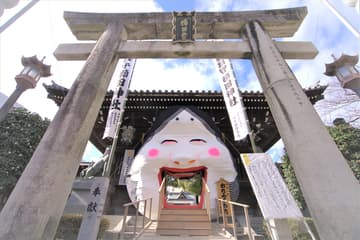
◆Introduction Meet at Hakata Station and enjoy a guided tour through three renowned temples in Fukuoka, with public transportation fees included. Experience Hakata Doll Painting and visit Shofuku-Ji Temple, Tochoji Temple, Kushida Shrine, and the Hakata Doll Shop Shogetsudo, ending the tour at Kawabata Shopping Arcade. ◆Included ・Guide ・Admission fees ・Public transportation fees ◆Itinerary ■Meeting point: Hakata Station Your guide will be waiting for you at Hakata station ■Shofuku-ji Temple Founded in 1195 by the priest Eisai, Shofuku-ji Temple marks the introduction of the Rinzai sect of Zen Buddhism from China to Japan. While visitors cannot enter the temple buildings, they are welcome to explore Shofuku-ji's serene grounds, enjoying views of the temple’s historic architecture from the outside. ■Tochoji Temple One of Japan's oldest surviving Buddhist temples, is a major attraction in Fukuoka City. Founded in 806 by the revered monk Kobo-Daishi Kukai, it is sometimes called “Tocho-mitsuji Temple.” After his journey to Tang-era China for rigorous spiritual training, Kobo-Daishi returned to Hakata, where he prayed for the spread and lasting presence of Shingon Esoteric Buddhism in Japan. ■Kushida Shrine This historic shrine, one of the oldest in Fukuoka, is renowned for hosting the famous Hakata Gion Yamakasa Festival. Visitors can also enjoy unique sights like Japan’s largest Otafuku mask and a well believed to grant prayers for eternal youth. ■Hakata Doll Shop Shogetsudo Hakata Dolls are among Japan’s most beautiful and renowned arts and crafts. At Shogetsudo, a famous Hakata Doll shop, you’ll have the chance to experience Hakata Doll Painting. Discover the origins and history of these iconic dolls and enjoy decorating one yourself in a hands-on, hour-long session. ■End point: Kawabata Shopping Arcade ◆Additional Information ・Not wheelchair accessible ・Not recommended for pregnant travelers ・Please arrive at the meeting point 10 minutes before the scheduled time. ・Infants up to 5 years old may join free of charge. ![](https://assets.hldycdn.com/experiences/022047_1a45223a89844aa58346ac35ad9689f1~mv2.jpg) ![](https://assets.hldycdn.com/experiences/022047_44d28636d55045868e7c7b3145361c4d~mv2.jpg) ![](https://assets.hldycdn.com/experiences/022047_010408326f7a417ca0cb339c29b21f26~mv2.jpg)

Hakata/Tenjin Japanese Culture Shrine / Temple
¥23000~
Hakata Dontaku Festival

Hakata Dontaku Festival

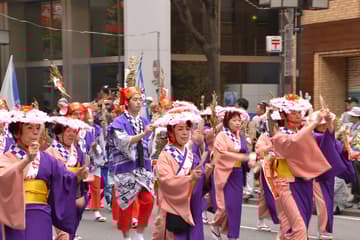
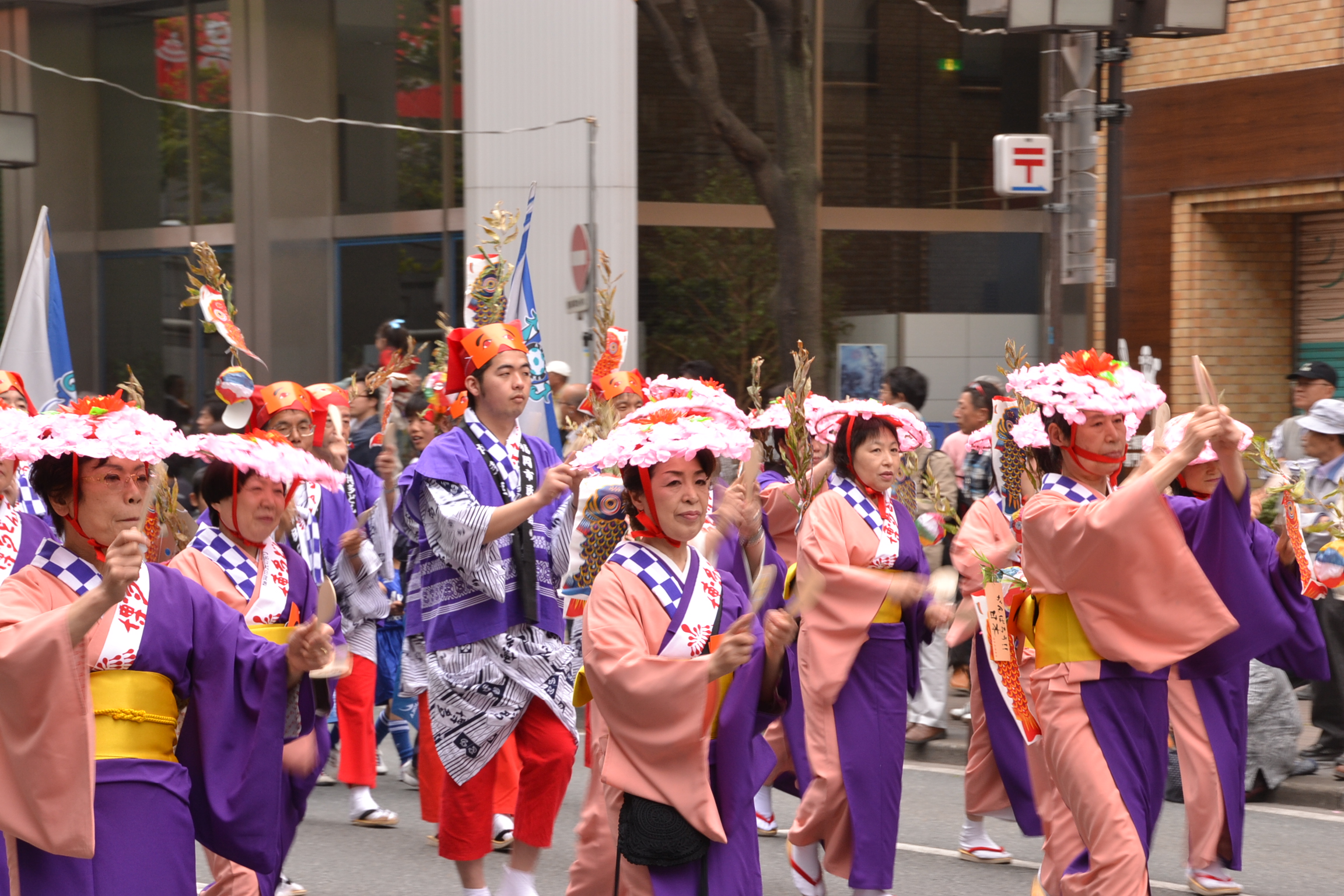
◆ Event Introduction The Hakata Dontaku Port Festival (博多どんたく港まつり) is one of Japan's largest and most beloved festivals, held every year on May 3rd and 4th during Golden Week in the heart of Fukuoka City. Typically drawing around two million visitors each year, this spectacular celebration transforms the streets of Hakata and Tenjin into a vibrant stage of parades, dance performances, and traditional processions. As a symbol of Fukuoka's festive spirit and rich cultural heritage, Hakata Dontaku is a must-see experience for anyone visiting Kyushu during spring. ◆ Historical Background The roots of Hakata Dontaku trace back approximately 840 years to the year 1179, when the traditional folk ritual known as "Hakata Matsubayashi" is said to have begun. Originally a New Year's greeting procession where performers dressed as the Three Gods of Fortune (Fukujin, Ebisu, and Daikoku) visited local lords, shrines, and prominent households, this custom developed throughout the medieval and Edo periods into a grand civic celebration. The name "Dontaku" is derived from the Dutch word "Zondag," meaning "Sunday" or "holiday." In 1872, the Meiji government temporarily banned the festival, but the spirited citizens of Hakata revived it in 1879 under the new name "Hakata Dontaku." After being suspended during World War II, the festival was passionately restored in 1946, with townspeople parading through the war-torn streets in paper costumes, bringing courage and hope to the community. In 1962, it was reorganized as the "Fukuoka Citizens' Festival: Hakata Dontaku Port Festival," the grand civic celebration it remains today. ◆ Hakata Matsubayashi: The Heart of the Tradition At the ceremonial core of Dontaku lies the Hakata Matsubayashi, designated as a national Important Intangible Folk Cultural Property. This ancient procession features the Three Gods of Fortune riding on horseback through the city, each adorned in distinctive traditional costumes: Fukujin with a long papier-mache head and golden robe, Ebisu carrying a fishing rod and sea bream, and Daikoku bearing a large sack and mallet. Accompanied by children performing elegant dances, the procession travels through various parts of the city, blessing each location with good fortune. ◆ Event Details 📅 Dates: May 3rd and 4th every year (Eve Festival on May 2nd) 📍 Venue: Multiple locations throughout central Fukuoka City (Hakata and Tenjin areas) ◆ Festival Schedule 🎌 May 2nd - Eve Festival (Zenyasai) The festivities often begin on the evening before the main event with a pre-opening ceremony that may feature preview performances by Dontaku groups, illuminated Nishitetsu Flower Cars, and festive entertainment. The specific content and scale of the Eve Festival may vary from year to year. 🎊 May 3rd and 4th - Main Festival The main event features spectacular parades along Meiji-dori Avenue, where the approximately 1.3 km stretch between Gofukumachi and Tenjin is closed to traffic and transformed into "Dontaku Hiroba" (Dontaku Square). Hundreds of groups, including local companies, schools, neighborhood associations, and international troupes, parade through the streets dancing and playing music while clapping shamoji (wooden rice scoops), the iconic symbol of the festival. Over 30 performance stages (enbutai) are set up throughout the city, from Fukuoka City Hall Plaza and Hakata Station Plaza to Canal City Hakata and beyond. 🏆 Evening of May 4th - Climax "So Odori" One of the highlights of the festival's climax is the So Odori (Grand Communal Dance) along Meiji-dori, where spectators are invited to join in, dancing together with the parade groups in a joyful celebration that embodies the welcoming spirit of Hakata. The exact format and location may vary each year. ◆ Main Venues 🛣 Meiji-dori Avenue (Dontaku Hiroba) The main parade route and symbolic center of the festival, stretching approximately 1.3 km from Gofukumachi to Tenjin. This is where the largest and most impressive parade performances take place. 🚉 Hakata-Ekimae-dori (Hakata Station Avenue) A secondary parade route in front of JR Hakata Station, offering convenient access and a great viewing experience. 🎭 Performance Stages (Enbutai) Over 30 outdoor stages are set up across the city, including Fukuoka City Hall Plaza, Hakata Station Plaza, Canal City Hakata, and community plazas throughout Tenjin. Acts range from traditional dances and folk songs to pop music, school bands, and international performances. 🚗 Nishitetsu Flower Cars (Hana Jidosha) Beautifully decorated vehicles adorned with thousands of LED lights cruise through the city streets, creating a dazzling spectacle especially stunning after dark. ◆ The Shamoji Tradition One of the most charming aspects of Hakata Dontaku is the shamoji (wooden rice scoop), used by participants as a percussion instrument. Legend has it that long ago, when a Dontaku procession passed by a merchant's house, the wife was so captivated by the music that she grabbed the shamoji she was using to cook and joined in the celebration, clapping it rhythmically. This spontaneous act of joy became a beloved tradition, and today shamoji are synonymous with the festival. ◆ Important Notes ⚠️ This page is for event information only. For inquiries about the festival, please feel free to contact us directly. ⚠️ The festival areas can become extremely crowded, with around two million visitors each year. Plan your transportation and accommodation well in advance, especially during Golden Week. ⚠️ Weather conditions may affect the event schedule. The festival is generally held rain or shine, but please check official announcements for updates. Rain is quite common during the festival period, so bringing an umbrella is recommended. ⚠️ Best access is via subway (Hakata, Gion, Nakasu-Kawabata, and Tenjin stations) or city bus. Expect extensive road closures on Meiji-dori and Hakata-Ekimae-dori during parade hours. ![](https://assets.hldycdn.com/f5ffa5a8-230c-4dde-8675-9969bae6870c.jpg)
Hakata/Tenjin Festivals & Events Japanese Culture