Tokyo is a city where centuries-old temples sit alongside futuristic skyscrapers, and every neighborhood feels like a destination of its own. Whether you are visiting for the first time or coming back for more, this guide covers 25 of the best things to do across the city, freshly updated for 2026.
Planning a deeper dive? Check out our expanded list of 40 attractions in the companion guide below.
Parks and Gardens
Tokyo's green spaces offer a welcome break from the energy of the streets. From historic gardens to hidden valleys, these spots are perfect for slowing down.
Shinjuku Gyoen National Garden
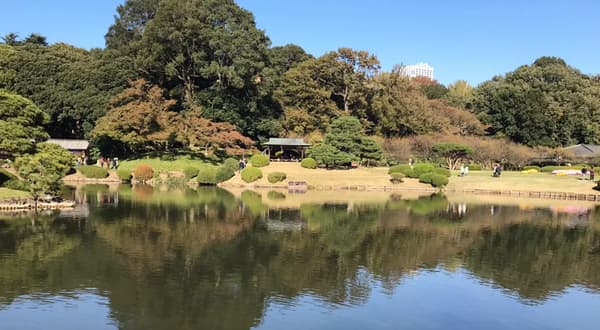
Shinjuku Gyoen is one of Tokyo's finest landscape gardens, combining a Japanese traditional garden, a French formal garden, and an English landscape garden in one sprawling space. It is just a 10-minute walk from the south exit of Shinjuku Station and draws visitors year-round with its seasonal beauty. In spring, over 1,000 cherry trees bloom across the grounds, making it one of the city's top hanami spots. A large greenhouse shelters tropical plants, and the wide lawns are ideal for a picnic. Admission is 500 yen for adults (free for children under 15).
Ueno Park
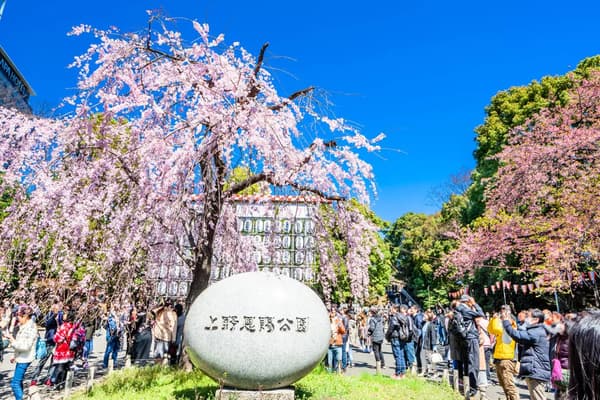
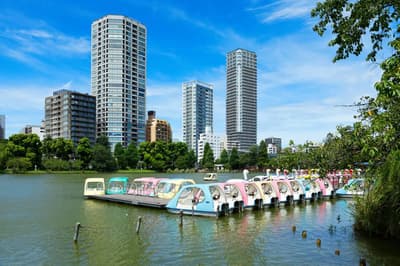
Ueno Park packs an incredible amount into one area. The park grounds contain the Ueno Zoo (famous for its giant pandas), the Tokyo National Museum, the National Museum of Nature and Science, and several art galleries. In spring, roughly 800 cherry trees transform the central pathway into one of Tokyo's most popular blossom-viewing corridors. Even outside cherry blossom season, the Shinobazu Pond with its lotus flowers and the nearby Ameyoko shopping street give you plenty of reasons to spend a full day here.
If you are visiting with kids, our family-friendly activities guide has more ideas.
Hibiya Park
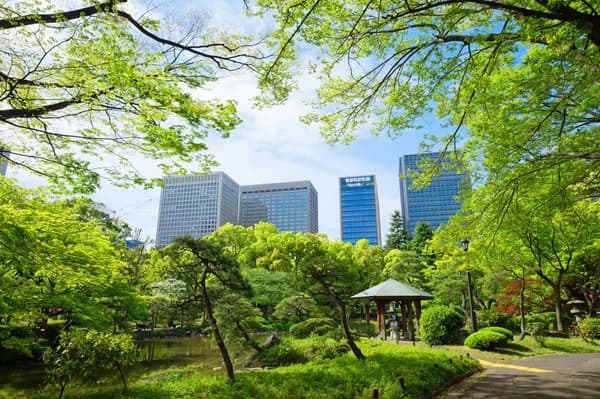
Hibiya Park holds the distinction of being Tokyo's first Western-style public park, with a history stretching back over 120 years. Tucked between the Imperial Palace and the Ginza shopping district, it serves as a lunchtime retreat for office workers and a peaceful stroll for visitors. The park features a large fountain, rose gardens, and an open-air concert hall that hosts events throughout the year. Several stylish cafes and restaurants line its edges, and the nearby Tokyo Midtown Hibiya complex offers shopping and dining right across the street.
Rikugien Garden
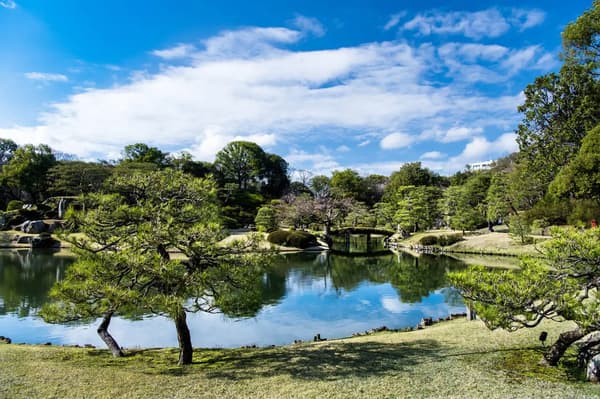
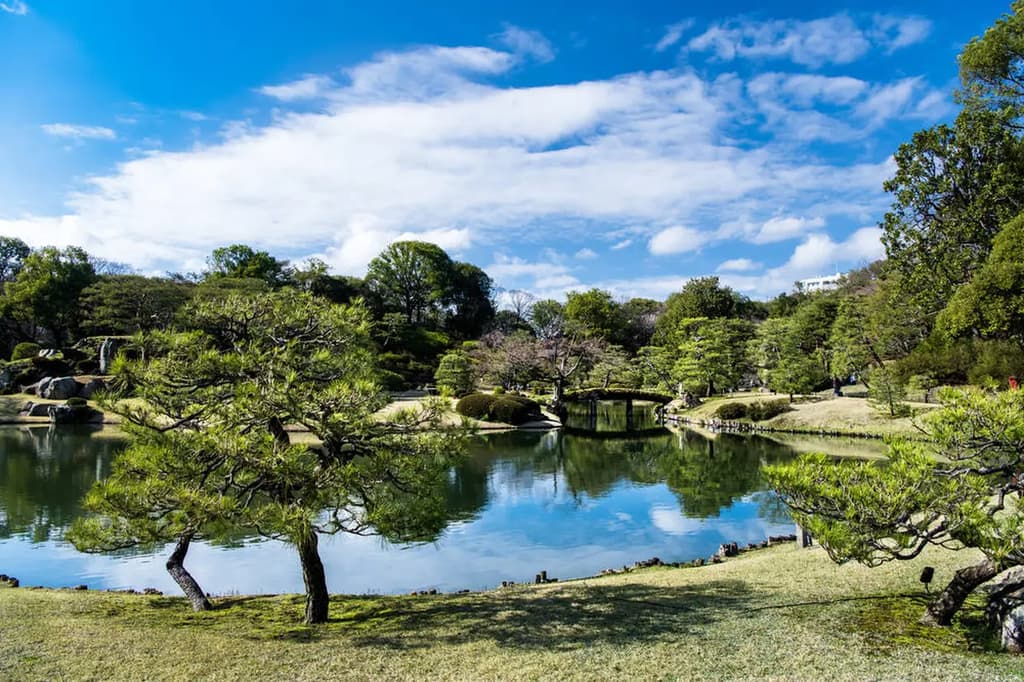
Rikugien is widely regarded as one of Tokyo's most beautiful traditional gardens. Originally completed in 1702 for a feudal lord, the garden recreates 88 scenes from classical Japanese poetry through its carefully designed landscape. A large central pond, wooded walking paths, and a bridge inspired by Kyoto's Togetsukyo create a world that feels far removed from the surrounding city. The weeping cherry tree near the entrance gate is spectacular during spring, and the maple foliage in autumn draws large crowds for evening illumination events. Admission is 300 yen.
Todoroki Valley
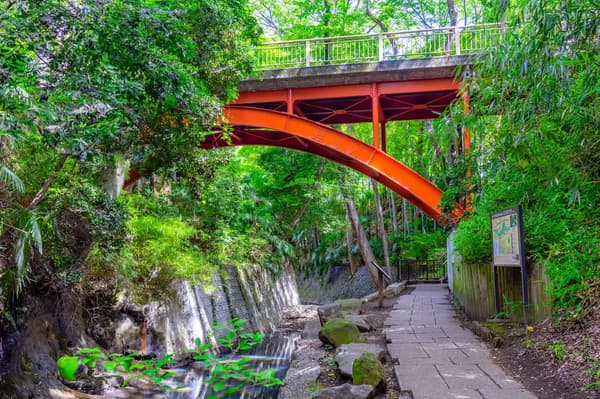
Just 20 minutes by train from Shibuya, Todoroki Valley is Tokyo's only true ravine and feels remarkably wild for a spot inside the city limits. A boardwalk runs alongside a small stream at the bottom of the valley, shaded by dense overhead foliage that keeps temperatures noticeably cooler in summer. At the far end you will find a small temple and a traditional tea house where you can sit with a cup of matcha. First-time visitors are often surprised that a place like this exists within Tokyo at all.
Cherry Blossom Viewing in Spring
If you are visiting Tokyo between late March and mid-April, cherry blossom season transforms the city. Beyond the parks listed above, these spots offer some of the most memorable sakura experiences.
Chidorigafuchi Green Way
The moat along the northwestern side of the Imperial Palace is lined with roughly 260 cherry trees that arch over the water. During peak bloom you can rent a rowboat and paddle beneath the blossoms, an experience that regularly appears on lists of the best hanami activities in Japan. Evening illumination lights up the trees after dark, and the reflection of pink petals on the water is stunning.
Meguro River
The Meguro River canal in the Nakameguro area is flanked by around 800 cherry trees for nearly four kilometers. Trendy cafes and boutiques line the streets on either side, and temporary food stalls set up during peak season. The combination of blossoms, local dining, and a lively atmosphere make it one of the most popular spots for younger visitors. Evening light-ups add another dimension after sunset.
For a truly special experience, consider viewing the blossoms from the water.
Sumida Park and Tokyo Skytree Views
Sumida Park sits along the Sumida River in the Asakusa area, and about 640 cherry trees bloom along both riverbanks. What makes this spot special is the view: rows of pink blossoms framing the 634-meter Tokyo Skytree in the background. On clear days it is one of the most photographed scenes in Tokyo.
For more cherry blossom ideas beyond Tokyo, see our nationwide sakura guide.
Art Museums and Digital Experiences
Tokyo offers everything from classical art collections to boundary-pushing digital installations.
teamLab Borderless (Azabudai Hills)
teamLab Borderless reopened in February 2024 inside the brand-new Azabudai Hills complex in the Roppongi-Toranomon area. The museum features a world of artworks without boundaries, where pieces move from room to room and interact with visitors. The new location is significantly larger than the original Odaiba venue, and the immersive environments have been expanded with new installations. Tickets start from 3,600 yen for adults (dynamic pricing) and sell out quickly, so booking in advance through the official site is strongly recommended. Since its opening, the museum has welcomed over 3.24 million visitors from more than 170 countries.
teamLab Planets TOKYO (Toyosu)
teamLab Planets in Toyosu offers a different experience from Borderless, focusing on bodily immersion. Visitors wade through water, walk barefoot on surfaces that respond to movement, and lose themselves in rooms of light. A major expansion in January 2025 added the Athletic Forest area and new artworks, making the experience even more extensive. The exhibition runs through the end of 2027. Plan for about two hours and wear clothes you do not mind getting wet below the knee.
The National Art Center, Tokyo
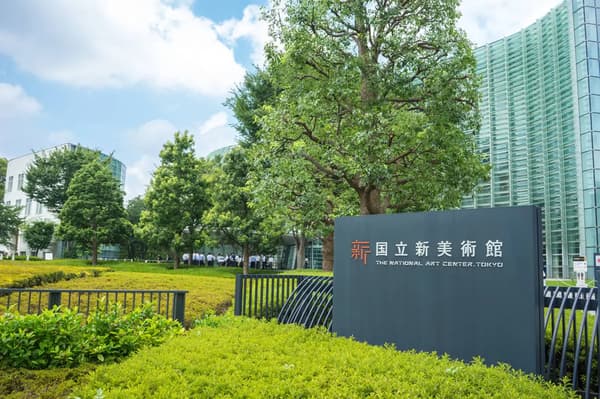
The National Art Center in Roppongi is Japan's largest exhibition space and one of the few major museums in the world without a permanent collection. Its undulating glass facade, designed by architect Kisho Kurokawa, is a landmark in its own right. The museum hosts rotating exhibitions that span contemporary art, design, and photography. On the top floor, a cafe appears to float within the soaring atrium. Admission varies by exhibition, and some shows are free.
Nezu Museum
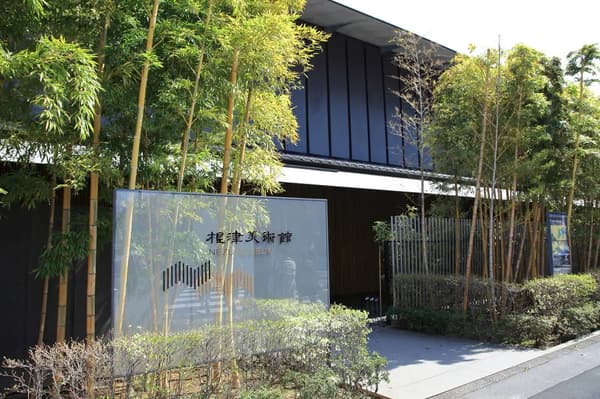
The Nezu Museum in Minami-Aoyama houses over 7,400 works of Japanese and East Asian art, including national treasures and important cultural properties. The building, designed by architect Kengo Kuma, opens onto a surprisingly expansive garden with walking paths, a tea house, and moss-covered stone statues. The combination of world-class art and a tranquil garden in the middle of Omotesando makes this a standout destination.
Ghibli Museum, Mitaka
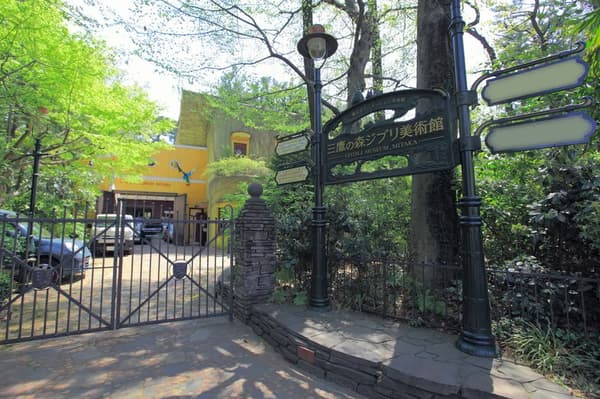
The Ghibli Museum brings the worlds of Hayao Miyazaki and Studio Ghibli to life. The whimsical building itself is part of the experience, with stained-glass windows, spiral staircases, and a rooftop garden where the robot soldier from Laputa stands guard. Inside, original short films are screened in a small theater, and exhibitions reveal the animation process. Tickets (1,000 yen for adults) must be purchased in advance for a specific date and time, so plan ahead. The museum is located in Mitaka, about 20 minutes west of Shinjuku by train.
Temples and Shrines
Sensoji Temple (Asakusa)
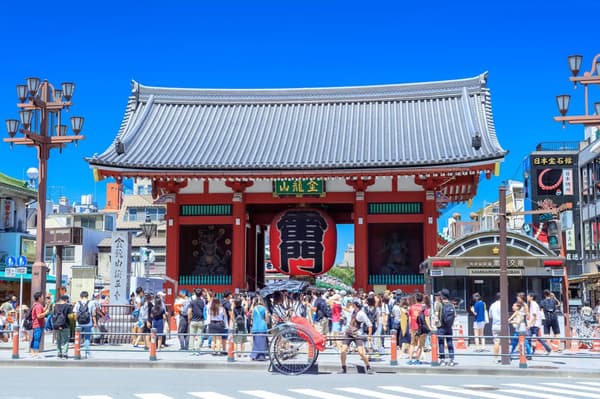
Sensoji is Tokyo's oldest temple, dating back to 645 AD, and it remains one of the most visited sites in the city. The iconic Kaminarimon (Thunder Gate) with its massive red lantern leads to Nakamise-dori, a 250-meter shopping street packed with traditional snacks, souvenirs, and rice crackers. Beyond the shopping street, the main hall and five-story pagoda create a scene that feels timeless despite the surrounding modern city. Visit early in the morning to enjoy the grounds without crowds, or come in the evening when the buildings are beautifully illuminated.
For a guided experience around the Asakusa and Skytree area, check out this family-friendly day tour.
Meiji Jingu Shrine
Meiji Jingu is Tokyo's most important Shinto shrine, set within 70 hectares of dense forest that was planted when the shrine was established in 1920. Walking through the towering torii gate and along the gravel path into the forest is one of those moments when the city simply disappears. The shrine grounds are free to enter (opening at sunrise and closing at sunset), and you can observe traditional wedding processions on weekends. The neighboring Meiji Jingu Gaien area, with its famous ginkgo tree-lined avenue, is spectacular in autumn.
Hie Shrine
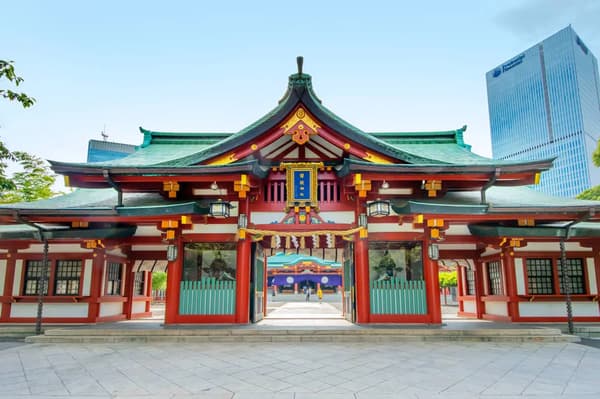
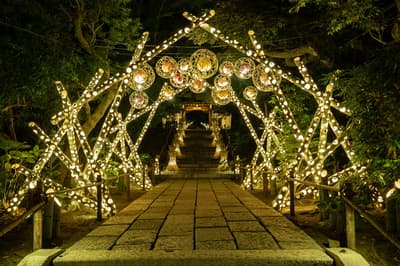
Hie Shrine in Akasaka sits on a wooded hill within walking distance of the government district and major business areas. The shrine is known for the Sanno Festival, one of the three great festivals of old Edo, held in mid-June. A striking tunnel of red torii gates leads up the hillside to the main precinct. The shrine is associated with matchmaking, career success, and business prosperity.
Iconic Landmarks
Tokyo Skytree
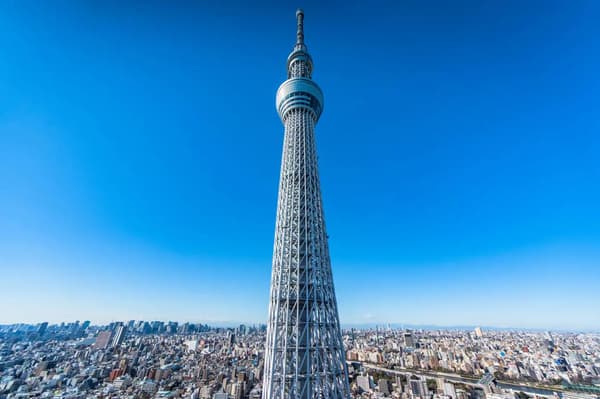
Standing 634 meters tall, Tokyo Skytree is the tallest tower in the world and a defining element of the Tokyo skyline. Two observation decks offer panoramic views, the Tembo Deck at 350 meters and the Tembo Galleria at 450 meters. On clear days, Mount Fuji is visible on the western horizon. Tickets to the Tembo Deck start at 2,100 yen on weekdays (2,300 yen on weekends); a combo ticket for both decks starts at 3,100 yen. At the base, Tokyo Solamachi is a shopping and dining complex with over 300 stores. The tower's nightly illumination changes by season and is worth seeing from along the Sumida River.
Shibuya Scramble Crossing and Shibuya Sky
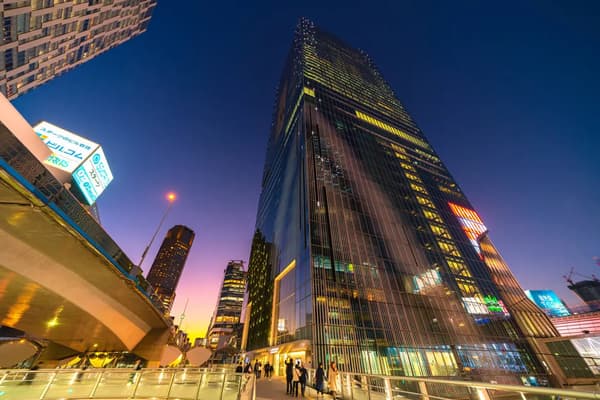
Shibuya Scramble Crossing is perhaps the most famous intersection on earth, with up to 3,000 people crossing from all directions when the light changes. To see it from above, head up to Shibuya Sky, the open-air observation deck on the rooftop of Shibuya Scramble Square. At 229 meters, it delivers sweeping views of the city, and on clear evenings you can watch the sunset over Mount Fuji while the city lights come alive below. Adult web tickets are 2,700 yen for daytime visits and 3,400 yen for sunset and evening time slots.
Tokyo Tower
Though Tokyo Skytree has taken over as the taller structure, Tokyo Tower retains a special place in the city's identity. The 333-meter tower, inspired by the Eiffel Tower and painted in bright orange and white, has been a symbol of postwar Japan since 1958. The main observation deck at 150 meters and the top deck at 250 meters both offer city views, and the surrounding Shiba Park area is home to Zojoji Temple, creating one of the most photographed compositions in Tokyo.
Shopping and Local Finds
Daikanyama Tsutaya Books
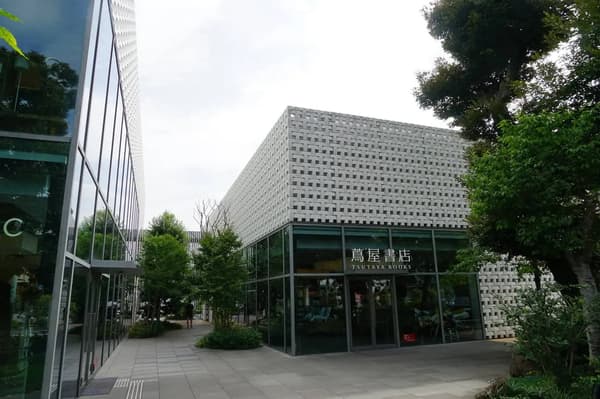
Daikanyama Tsutaya Books is far more than a bookstore. Spread across three interconnected pavilions in a tree-lined neighborhood, it stocks art books, travel guides, vinyl records, stationery, and hard-to-find film titles. A Starbucks lounge inside lets you browse with a coffee in hand. The architectural design by Klein Dytham architecture has won international awards, and the calm atmosphere makes it easy to spend an hour or two exploring.
Harakado (Tokyu Plaza Harajuku)
Harakado opened in April 2024 as a reimagined Tokyu Plaza at the intersection of Omotesando and Meiji-dori. The building features a rooftop garden and a curated mix of fashion, beauty, food, and culture tenants aimed at a creative audience. It sits right at the gateway to both Harajuku's Takeshita Street and the upscale Omotesando area, making it easy to combine with a walk through either neighborhood.
AKOMEYA TOKYO in la kagu
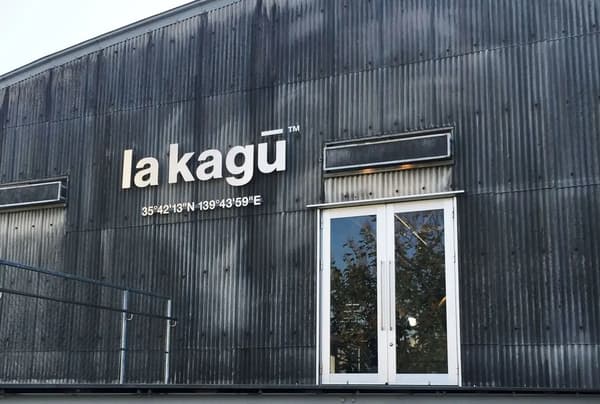
AKOMEYA TOKYO in la kagu occupies a beautifully converted warehouse in the Kagurazaka neighborhood. The shop specializes in rice and rice-related products, along with premium seasonings, dashi stock, kitchen tools, and carefully selected Japanese food gifts. You can buy rice by weight and choose from dozens of varieties. Upstairs, a cafeteria serves set meals built around freshly cooked rice. The stylish interior and thoughtful product selection make it a rewarding stop even if you are not planning to cook.
CHABARA

CHABARA sits under the train tracks near Akihabara Station and brings together specialty food shops from prefectures across Japan. Think of it as a tasting tour of the country in one compact space: local sake, artisan pickles, regional snacks, and fresh produce all share the floor. It is an excellent place to pick up edible souvenirs that go beyond the typical airport offerings.
Toyosu Senkyaku Banrai
Toyosu Senkyaku Banrai opened in February 2024 adjacent to the Toyosu Fish Market. This Edo-period-themed complex features fresh seafood restaurants, food stalls, a hot spring bath with views of Tokyo Bay, and a matsuri (festival) entertainment zone. For visitors who want to experience the energy of a fish market followed by a soak in an onsen, it offers a full half-day itinerary in one location.
Entertainment and Experiences
Maxell Aqua Park Shinagawa
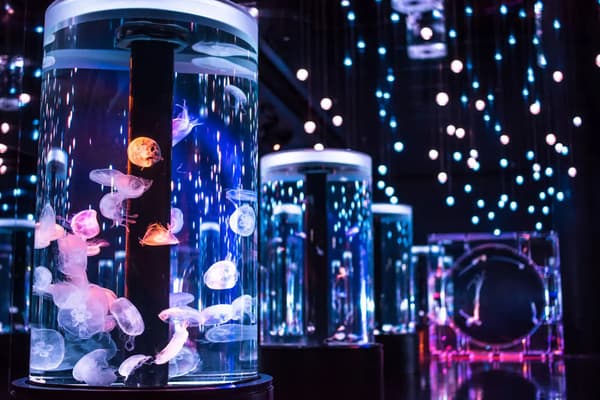
Maxell Aqua Park Shinagawa, located inside the Shinagawa Prince Hotel complex, combines a traditional aquarium with cutting-edge sound, light, and projection technology. The dolphin performance is the highlight, with water, music, and lighting choreographed together in a show that changes by season. The jellyfish hall, where thousands of jellyfish drift through color-changing tanks, is mesmerizing. It is an especially good rainy-day option and stays open until 10 PM.
For more indoor activity ideas, see our rainy day guide.
Sumo Tournaments
If your visit coincides with January, May, or September, you can watch a Grand Sumo Tournament at Ryogoku Kokugikan, the national sumo arena in eastern Tokyo. The atmosphere inside the arena is electric, and even the rituals before each bout are fascinating to watch. Tickets go on sale about a month before each tournament and upper-level seats are reasonably priced.
Tokyo Camii and Diyanet Turkish Culture Center
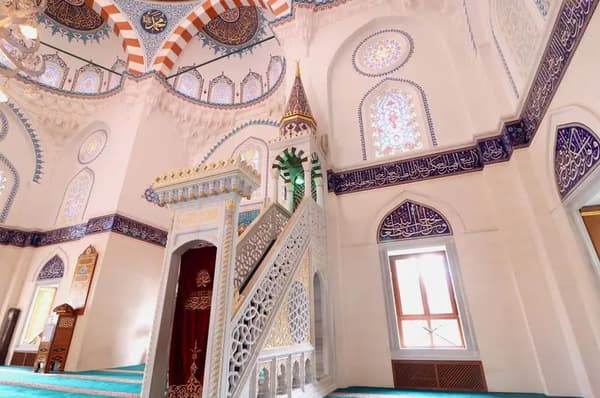
Tokyo Camii, located near Yoyogi-Uehara Station, is the largest mosque in Japan and a stunning example of Ottoman-style architecture. The interior is decorated with hand-painted tiles and calligraphy imported from Turkey, and on sunny days, light pours through the stained-glass windows to create a genuinely magical atmosphere. The mosque is open to visitors of all faiths, and free guided tours are available on weekends.
Food and Drink
No visit to Tokyo is complete without exploring the food scene. From Michelin-starred restaurants in Ginza to standing ramen shops under the train tracks, the city is widely regarded as one of the greatest food capitals on earth, with more Michelin-starred restaurants than any other city.
Ginza and Shinbashi Food Walk
The Ginza and Shinbashi neighborhoods are packed with restaurants ranging from high-end sushi counters to casual izakaya under the elevated train tracks. A guided food tour is a great way to discover spots you would never find on your own.
Izakaya Hopping in Kita-Senju
For a more local experience, the Kita-Senju area in northern Tokyo has one of the city's best concentrations of old-school izakaya. Read our guide for tips on navigating the neighborhood.
New in Tokyo: 2025 and 2026 Highlights
Tokyo never stops evolving. Here are some of the latest openings worth adding to your itinerary:
- Takanawa Gateway City (opened March 2025) is a mixed-use development around the new Takanawa Gateway JR station, featuring shops, restaurants, a park, and cultural facilities between Shinagawa and Tamachi.
- Ginza Sony Park reopened in January 2025 after a full rebuild, now featuring underground exhibition spaces and rooftop greenery in the heart of Ginza.
- teamLab Planets expansion (January 2025) added the Athletic Forest and new immersive areas to the Toyosu venue.
Day Trips from Tokyo
Tokyo makes an excellent base for exploring nearby destinations. Here are some of our favorite day trip guides:
Looking for seasonal activities? Our summer guide covers the best warm-weather things to do.