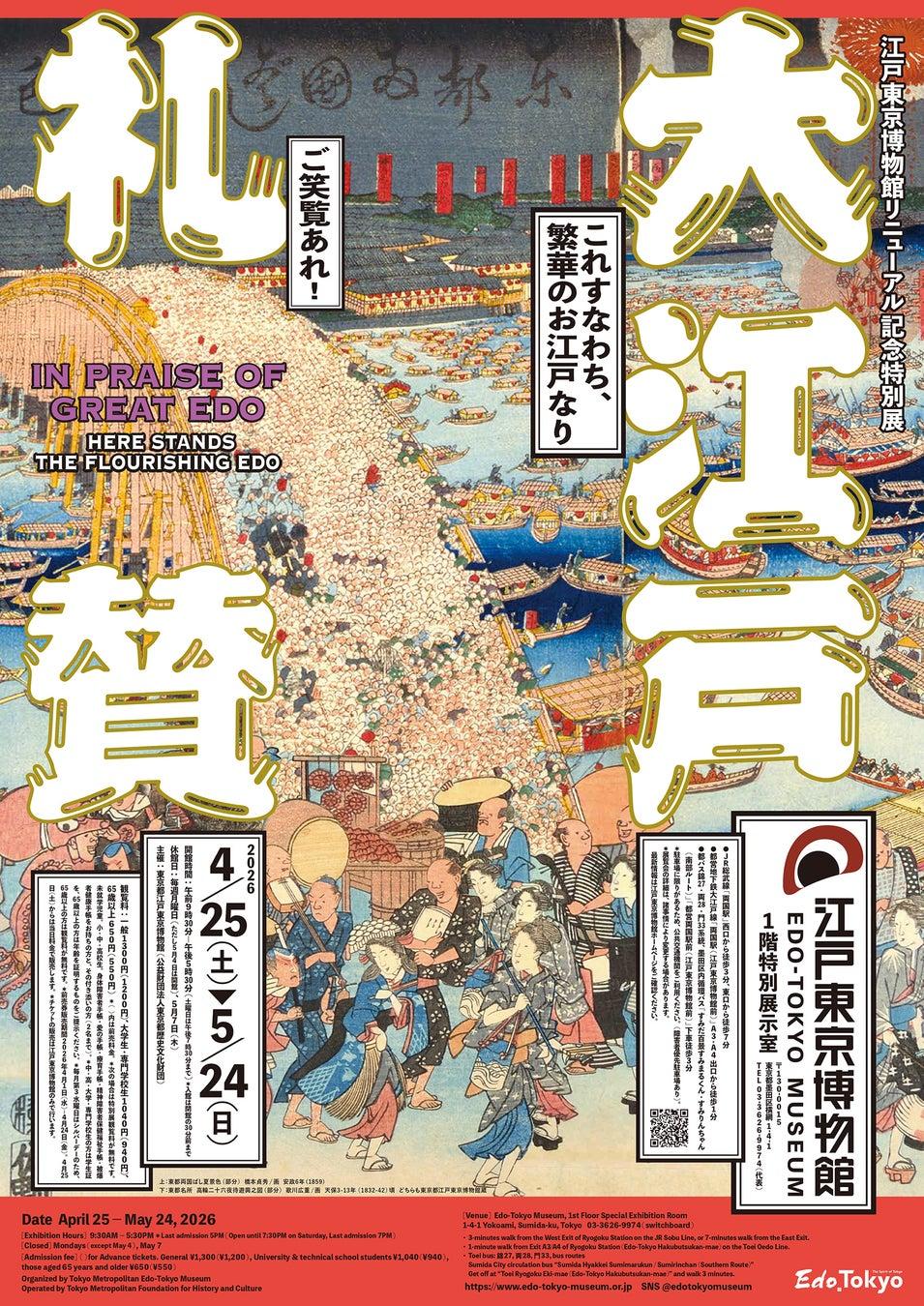
The Tokyo Metropolitan Edo-Tokyo Museum, which has been closed since 2022, is set to reopen after approximately four years of renovation. Marking the occasion, the museum's first special exhibition after reopening — the Edo-Tokyo Museum Renewal Commemorative Special Exhibition "In Praise of Great Edo (Oedo Raisan)" — will open on April 25, 2026. All exhibits featured in this exhibition come from the Edo-Tokyo Museum's own collection, with a focus on carefully selected masterpieces and items being displayed for the first time.
"The Pride of Flowering Edo": Townspeople's Culture Blossoming in a Warrior's City
Edo developed as a city of warriors after Tokugawa Ieyasu established his shogunate there, with samurai residences surrounding Edo Castle. Yet in times of peace, armor and swords became symbols of status and authority rather than practical tools of war. As the city grew, merchants and artisans joined the population, and by the early 18th century Edo had become a metropolis of over one million people.
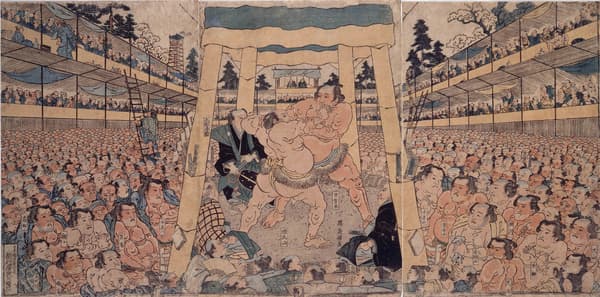
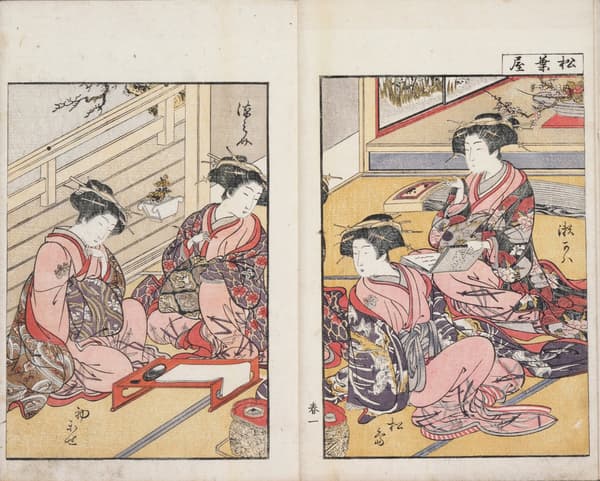
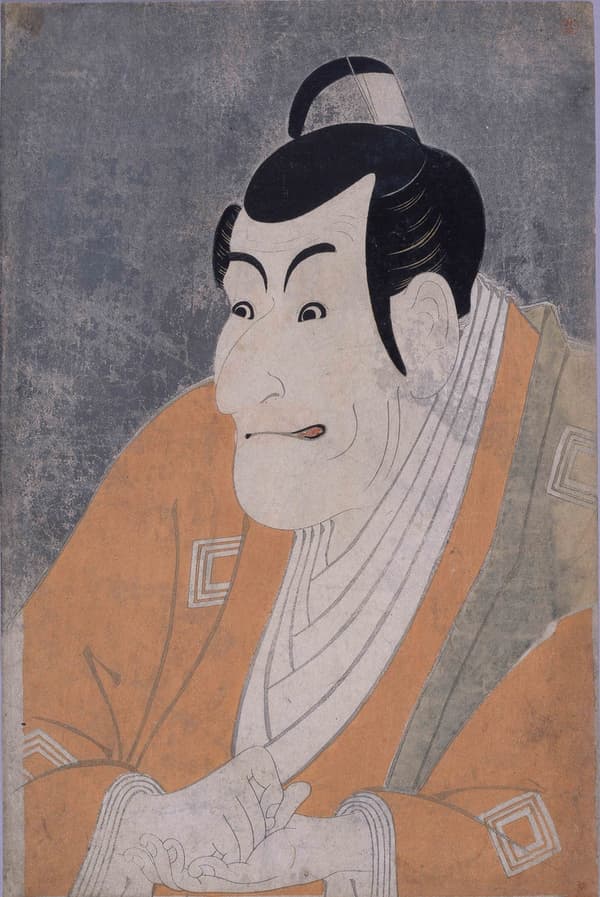
Sumo, kabuki, and the Yoshiwara entertainment district were among the most popular diversions, while woodblock prints (ukiyo-e) and other publications spread images of popular wrestlers, kabuki actors, and courtesans, fueling further trends and fashions. Fire was also a constant presence in Edo life — the city was protected by both samurai fire brigades, which guarded castle residences, and town fire brigades for residential neighborhoods. Cultural figures meanwhile exchanged ideas through shared hobbies and scholarship, giving rise to literature and art that still resonates today.
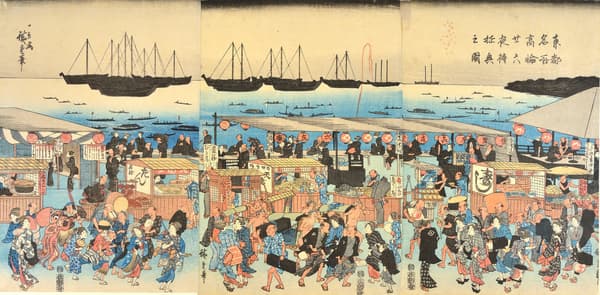
Exhibition Highlights
1. First Special Exhibition in Four Years — Capturing the Energy of a Million-Person Metropolis
This special exhibition is the first to be held in approximately four years, coinciding with the museum's renovation and reopening. It presents the appeal of Edo through four themes unique to the Edo-Tokyo Museum: ① samurai culture including armor and wedding furnishings; ② townspeople's culture encompassing sumo, kabuki, the Yoshiwara, and ukiyo-e; ③ samurai and town fire brigades; and ④ diverse literary and artistic activities.
2. Approximately 160 Items from the Collection, Including First-Time Displays
Around 160 items are selected from the museum's approximately 350,000 holdings, including armor, folding screens, wedding furnishings, ukiyo-e, and firefighting equipment. Alongside prized masterpieces, numerous items will be displayed to the public for the first time.
3. Enjoyable for All Ages and Backgrounds
The exhibition is designed so that visitors of all ages and levels of historical knowledge can enjoy it. Elementary, middle, and high school students are admitted free of charge to commemorate the museum's reopening.
Exhibition Structure
Prologue: Musashino — Where the Moon Has No Mountain to Set Into
Before Edo came into being, the Kanto plain was known as "Musashino" — a vast expanse of pampas grass where the moon rose and set with nothing to stop it. This chapter introduces the image people once had of this land through the museum's "Musashino-zu Byobu" (Musashino Screen).
Chapter 1: Seat of the Shogun — Formation of a Warrior's City
After Tokugawa Ieyasu entered Edo and established his shogunate, Edo flourished as a city of warriors. This chapter showcases paintings depicting the city's landscape, weapons that evolved from battlefield tools into symbols of samurai authority, and elaborate wedding furnishings used within Edo Castle.
Armor of the Meichin School
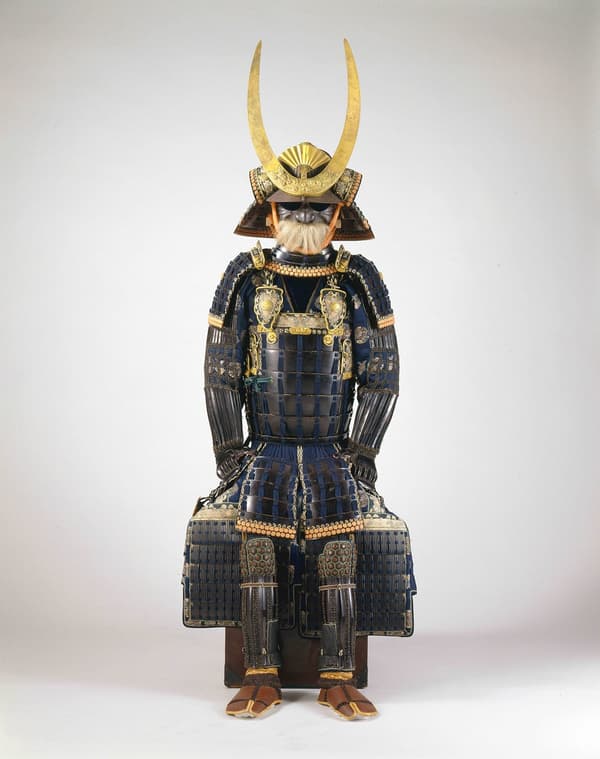
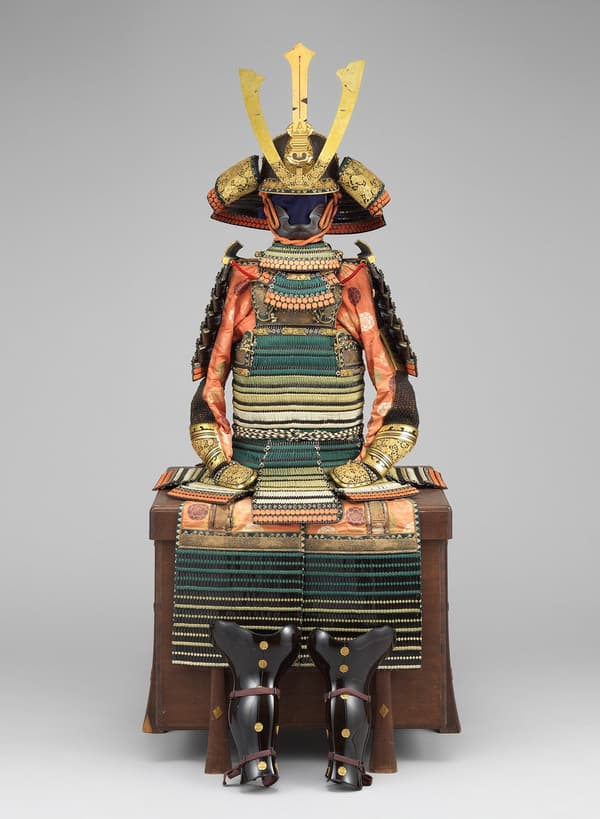
The Meichin school was the most prominent lineage of armorers to flourish in Edo. The exhibition presents a side-by-side showcase of works by master and disciple from this renowned school.
The Radiance of Inner Furnishings
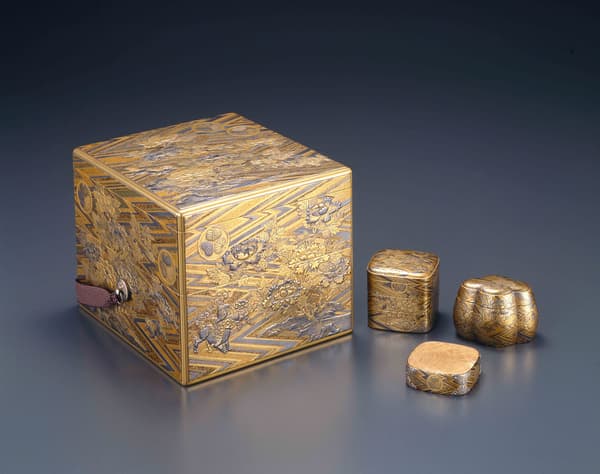
This section highlights the magnificent wedding furnishings prepared for samurai women upon marriage, used in their daily lives within the castle.
Chapter 2: Thriving Capital — The Flowering of Townspeople's Culture
By the mid-18th century, merchants who had gained economic influence began driving cultural and entertainment trends. The era's bestselling guide to Edo, the Edo Hanjo-ki, lists sumo, kabuki, and the Yoshiwara as the city's three great entertainments. Woodblock prints and publications spread their fame even further.
Chapter 3: "Fire and Quarrels Are the Flowers of Edo" — Samurai and Town Fire Brigades
Fire was inseparable from life in Edo. Protection against fire was divided between samurai fire brigades — comprising daimyo brigades and standing brigades — who guarded castle residences, and town fire brigades who covered residential neighborhoods.
This chapter uses firefighting attire and equipment to illuminate Edo's fire prevention efforts and the energy of the people who faced these blazes.
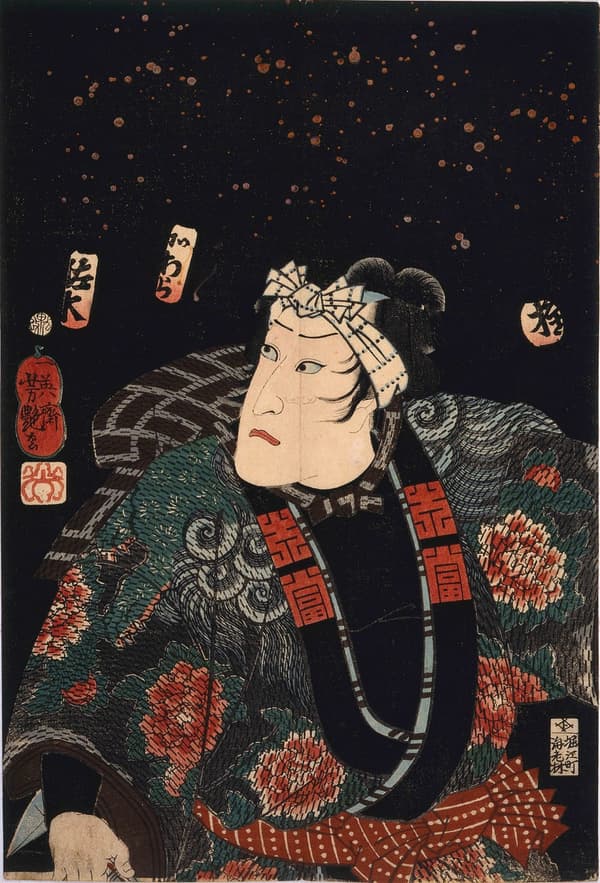
Samurai fire brigade members typically wore colorful fire jackets and chest guards made of leather or foreign-imported woolen cloth (rasha), and helmets with neck guards. Even samurai women would don elaborate fire-protection garments when evacuating. Town fire brigade members, on the other hand, wore quilted cotton half-coats and pants, then doused themselves with water to protect against flames and heat.
Chapter 4: Like Gathers with Like — Exchange and Creation
The cultural figures of Edo actively mingled through shared interests and scholarship. This chapter examines literary and artistic works born from these exchanges — including the kyoka (comic poem) boom and growing interest in Dutch learning (Rangaku) — through handwritten letters and other personal documents.
Ota Nanpo and the Kyoka Boom
The chapter introduces Ota Nanpo, who led the kyoka boom of the Tenmei era, along with lavishly illustrated books reflecting the refined tastes of kyoka poets.
Hiraga Gennai and the Passion for Dutch Learning
The exhibition focuses on the activities and research of figures such as Hiraga Gennai and Sugita Genpaku, who showed keen interest in Western culture and science.
Sakai Hoitsu and the Painting School "Ugeian"
Sakai Hoitsu, known as the pioneer of the Edo Rinpa school, and the exchange network of painters, patrons, and craftsmen that centered on his atelier "Ugeian" are explored here.
Kyokutei Bakin and the Bestseller
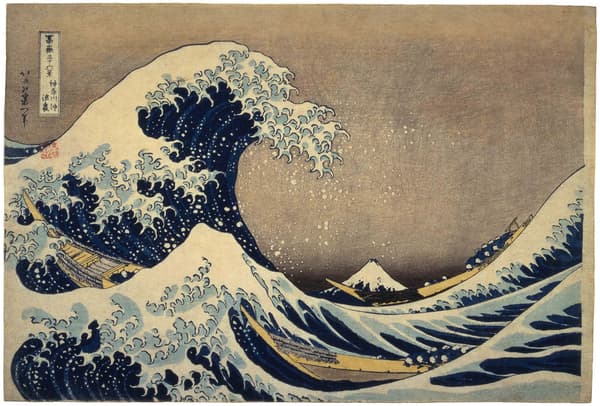
Bakin's hit collaborations with Katsushika Hokusai, his magnum opus Nansō Satomi Hakkenden (completed over 28 years), and his personal letters offer a glimpse into the man behind the works.
Epilogue: None Can Compare to Flowering Edo
Having grown in every dimension — political, economic, and cultural — Edo's residents took pride in their city, calling it "Flowering Edo" and cherishing their identity as true "Edokko" (children of Edo). The exhibition closes by celebrating this city's vitality and the pride of the people who sustained it.
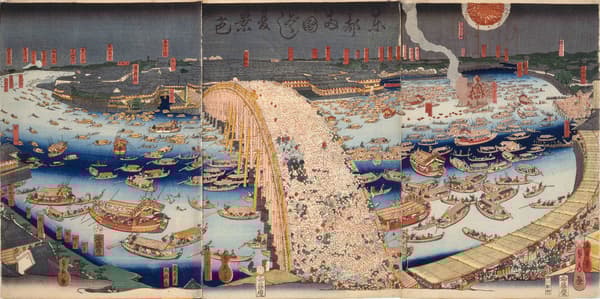
"Born in the shadow of the gold shachihoko [castle ornament], bathed in aqueduct water as a baby, raised in the shadow of an umbrella at the shogun's feet… not eating the white-bait of the Sumida River except for the middle part, tossing a corner house in Honcho to hit the great gate — this is the flower of a man's heart. The backbone of an Edokko, versatile in all things, from the very center of Nihonbashi…"
— Santō Kyōden, Tsūgen Sōmagaki
Exhibition Information
- Exhibition Name: Edo-Tokyo Museum Renewal Commemorative Special Exhibition "In Praise of Great Edo"
- English Title: Special Exhibition "In Praise of Great Edo"
- Dates: April 25 (Saturday) to May 24 (Sunday), 2026
- Hours: 9:30 AM to 5:30 PM (Saturdays until 7:30 PM) *Last admission 30 minutes before closing
- Closed: Every Monday (except May 4), May 7 (Thursday)
- Organizer: Tokyo Metropolitan Edo-Tokyo Museum (Tokyo Metropolitan Foundation for History and Culture)
- Venue: Edo-Tokyo Museum, 1F Special Exhibition Gallery
- Admission:
- General: ¥1,300 (advance: ¥1,200)
- College/vocational students: ¥1,040 (advance: ¥940)
- Age 65 and over: ¥650 (advance: ¥550)
- Free: Preschool children; elementary, middle, and high school students; holders of disability certificates and up to 2 accompanying persons
- Advance Tickets: Available April 1 (Wednesday) through April 24 (Friday), 2026. From April 25, tickets are sold at the regular price. Tickets are sold exclusively at the Edo-Tokyo Museum.