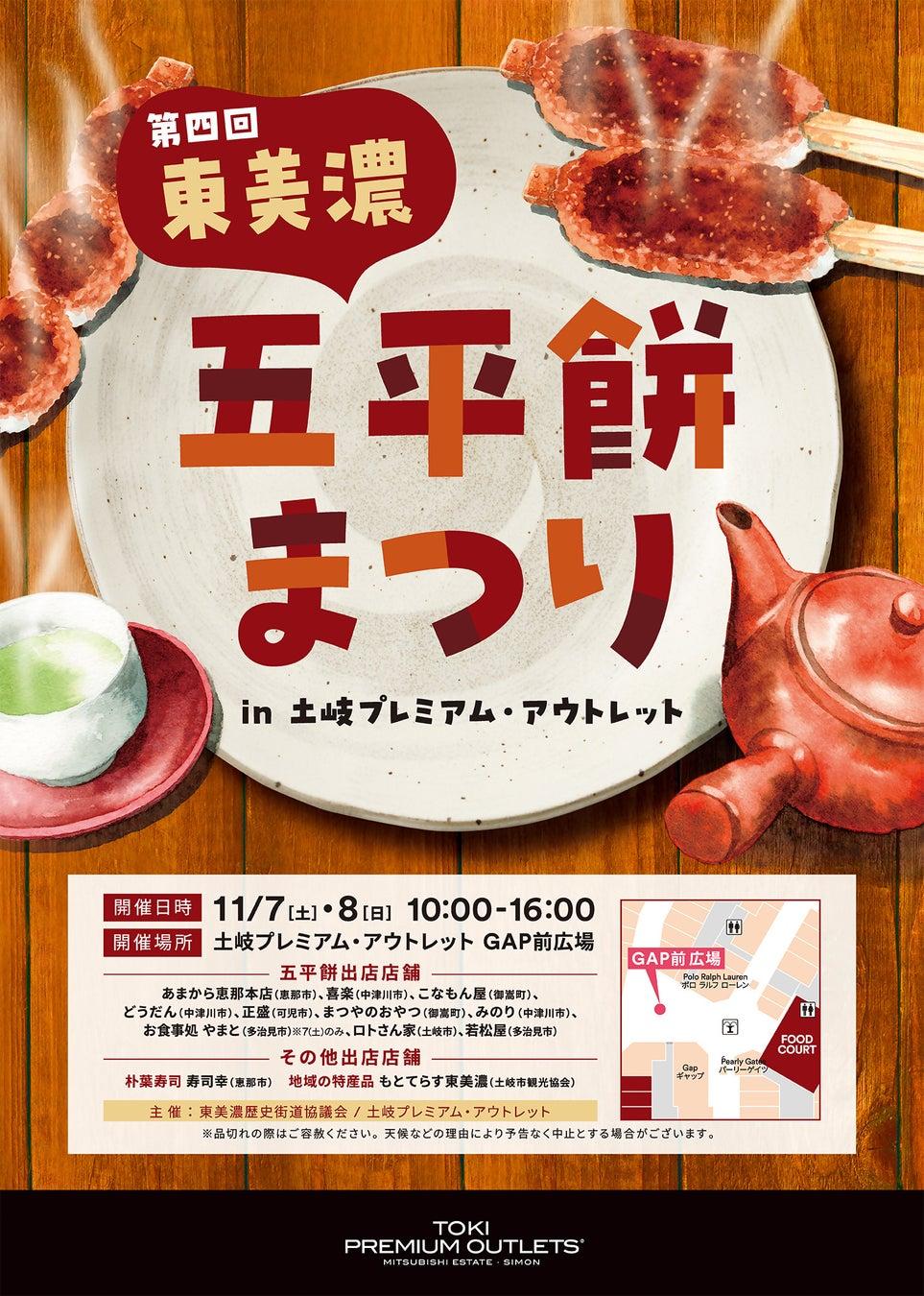
The 4th Higashi-Mino Gohei Mochi Festival at Toki Premium Outlets (第四回東美濃五平餅まつり in 土岐プレミアム・アウトレット) will be held on Saturday, November 7 and Sunday, November 8, 2026 at Toki Premium Outlets (土岐プレミアム・アウトレット) in Toki City, Gifu Prefecture, a destination that draws many visitors from the Chukyo area. Ten gohei mochi (五平餅) shops from the Higashi-Mino (東美濃) region will gather for live demonstration sales, and local specialties such as kurikinton (栗きんとん) and hoba sushi (朴葉寿司) will also be on sale. The event is part of an effort by the Higashi-Mino Rekishi Kaido Council (東美濃歴史街道協議会) to bring out the appeal of local food culture and attract visitors to the region.
Event Overview
- Event name: The 4th Higashi-Mino Gohei Mochi Festival at Toki Premium Outlets (第四回東美濃五平餅まつり in 土岐プレミアム・アウトレット)
- Dates and hours: Saturday, November 7 and Sunday, November 8, 2026, 10:00 AM to 4:00 PM each day (each shop closes when sold out)
- Location: Plaza in front of GAP (GAP前広場), Toki Premium Outlets, 1-2 Tokigaoka (土岐ヶ丘), Toki City, Gifu
- Organizers: Higashi-Mino Rekishi Kaido Council (東美濃歴史街道協議会) and Toki Premium Outlets
- Website: https://www.premiumoutlets.co.jp/toki/events/news17190.html
Gohei Mochi Live Demonstration Sales (10 Shops)
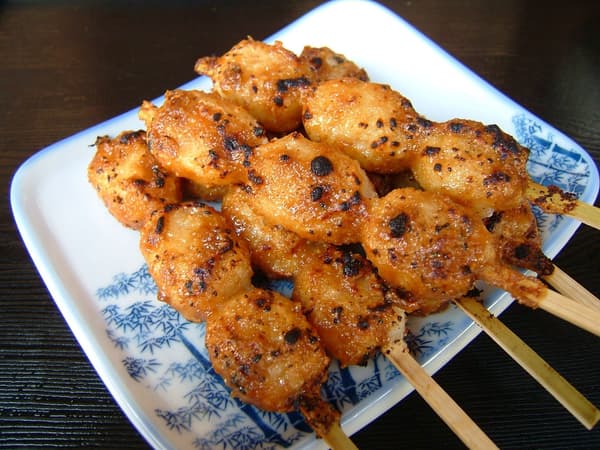
1. あまから恵那本店 (Ena City) | Dango-shaped, soy sauce-based
A gohei mochi specialty shop in Oi-juku (大井宿) on the Nakasendo (中山道), founded 65 years ago. The secret sauce for the dango-shaped mochi is based on sugar and soy sauce with sesame and walnuts added, and is also excellent in nutritional value.
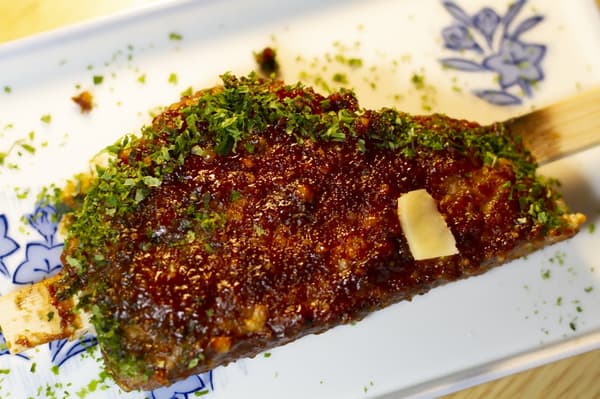
2. お食事処 やまと (Tajimi City) | Other shape, miso-based
This shop will take part on Saturday, November 7 only. Its original gohei mochi is inspired by the exterior of the Tajimi City Mosaic Tile Museum (多治見市モザイクタイルミュージアム). The pine tree on top is represented with aonori (green laver) and the entrance with cheese, and the mochi is grilled crisp on the outside and soft on the inside. It is a gohei mochi to enjoy for both its looks and its taste.
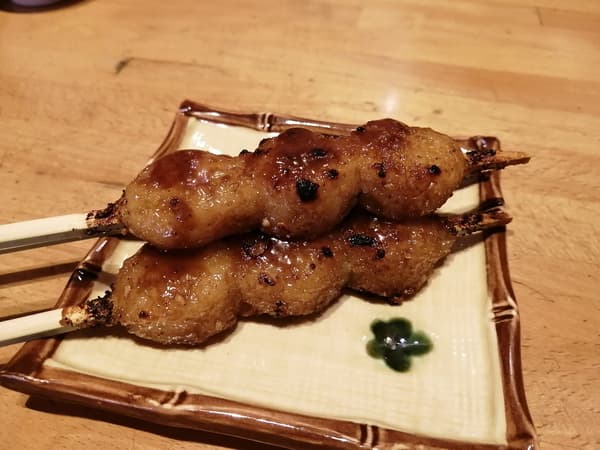
3. 喜楽 (Nakatsugawa City) | Dango-shaped, soy sauce-based
A gohei mochi specialty shop founded in 1943 (Showa 18) and run for four generations. The dango-shaped mochi is grilled with an additive-free sauce made by carefully grinding sesame, walnuts, and peanuts into sweet and savory soy sauce.
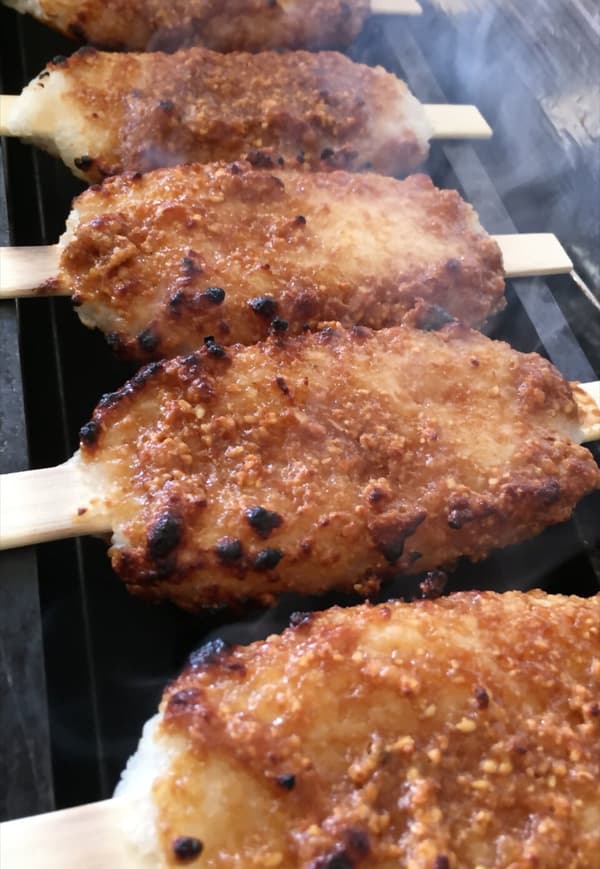
4. こなもん屋 (Mitake Town) | Waraji-shaped, miso-based
A gohei mochi certified as a "Mitake no Eemon" (みたけのええもん) product, made with delicious Mitake rice (御嵩米) grown in Mitake and Mitake miso (みたけ味噌). The rich miso sauce gives it a savory flavor and aroma.
5. どうだん (Nakatsugawa City) | Dango-shaped, soy sauce-based
The secret soy sauce-based sauce contains sugar, sesame, peanuts, and walnuts. This habit-forming sauce coats the chewy dango-shaped mochi.
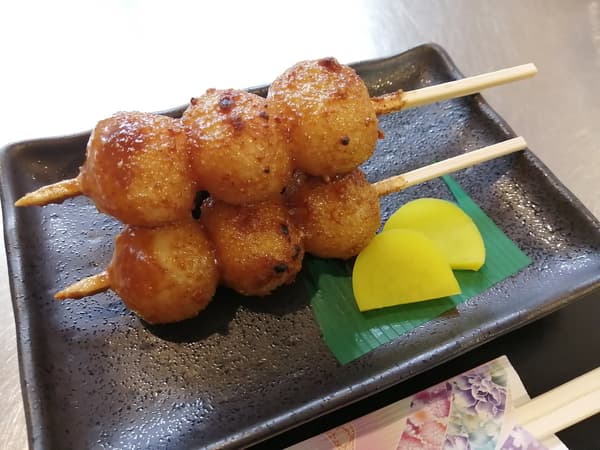
6. 正盛 (Kani City) | Waraji-shaped (fried), mixed base
Half-crushed Mino Hatsushimo (美濃ハツシモ) first-grade rice is kneaded with steamed taro, a specialty of Kani City, then fried and coated in walnut sauce. Fried gohei mochi is an original flavor of the shop.
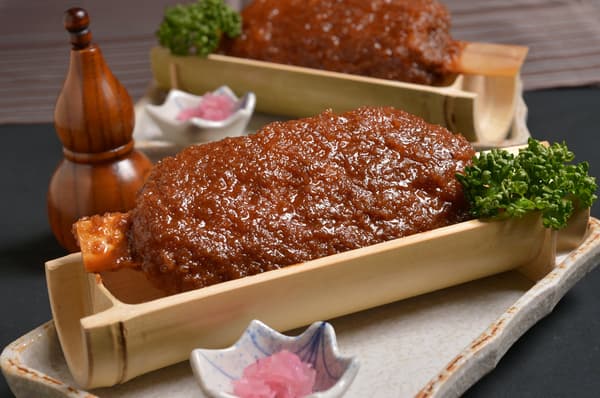
7. まつやのおやつ (Mitake Town) | Waraji-shaped, soy sauce-based
Made with non-glutinous rice and glutinous rice grown by the shop in Mitake. The sweet and savory sauce contains walnuts and peanuts, and the carefully chosen skewer is also worth a look.
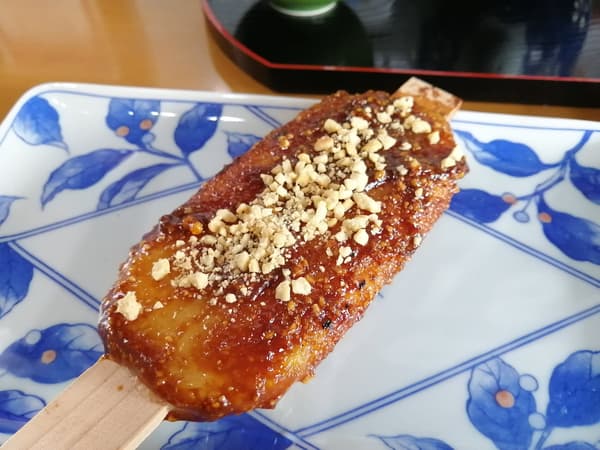
8. みのり (Nakatsugawa City) | Dango-shaped, soy sauce-based
A dango-shaped gohei mochi made with local rice. The key is a sweet soy sauce packed with homegrown peanuts, sesame, and walnuts, unchanged since 1968 (Showa 43).
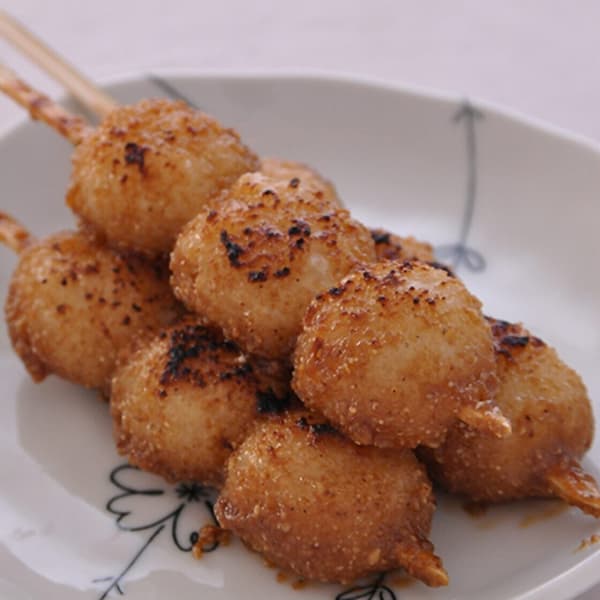
9. ロトさん家 (Toki City) | Waraji-shaped, soy sauce-based
Based at Michi-no-Eki Shino-Oribe (道の駅志野・織部). A soy sauce-based sauce with walnuts, sesame, and peanuts added gives the waraji-shaped mochi a savory aroma.
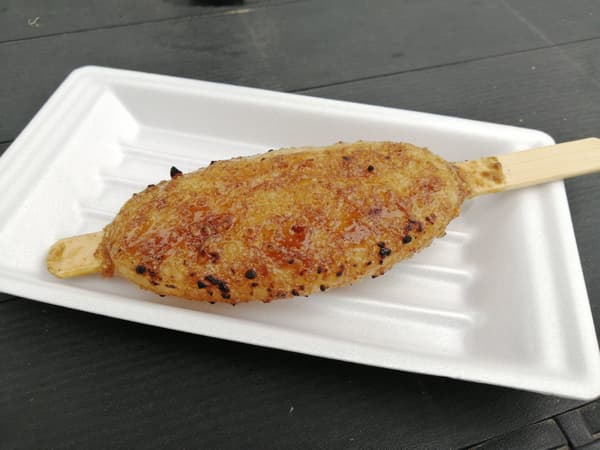
10. 若松屋 (Tajimi City) | Dango-shaped, mixed base
A long-established shop founded in the Taisho era, located in Kokei Park (虎渓公園) in Tajimi City. Its gohei mochi is known for its large, flat dango shape, and the chewy texture pairs well with the savory special sauce.
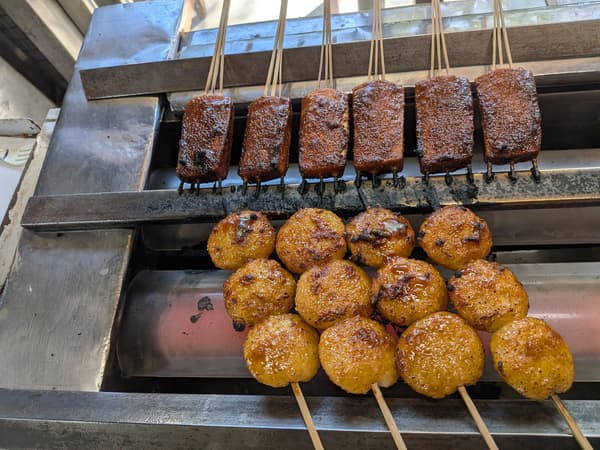
Higashi-Mino Specialty Products (2 Shops)
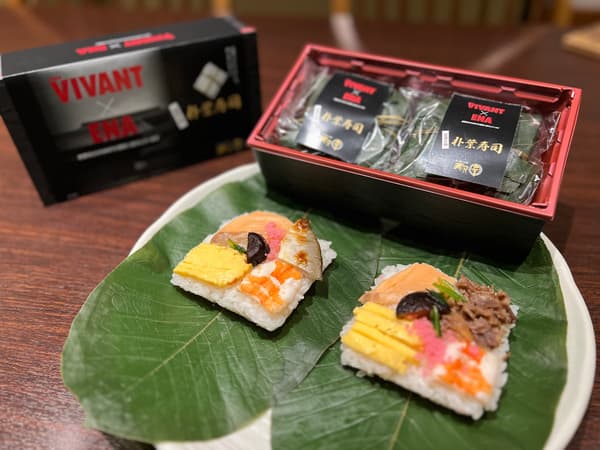
- 寿司幸 | Hoba sushi (in "VIVANT" collaboration packaging)
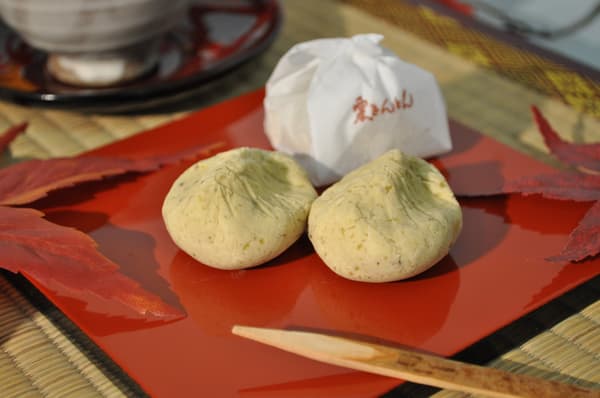
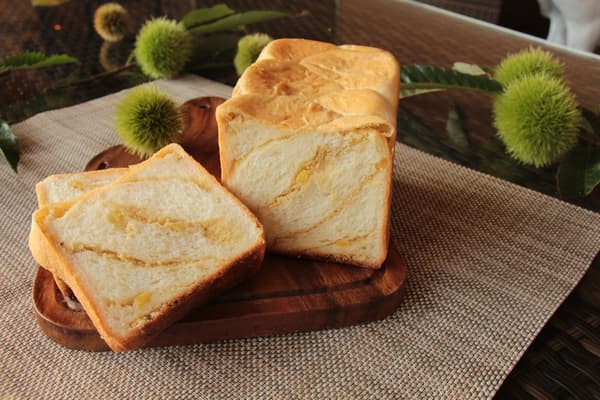
- もとてらす東美濃 (Toki City Tourism Association, 土岐市観光協会) | Kurikinton, chestnut flour mochi (栗粉餅), chestnut kinton nama-shokupan (栗きんとん生食パン), and more
Gohei Mochi, a Traditional Food of Higashi-Mino
Gohei mochi has long been enjoyed as a traditional local food, mainly in the Higashi-Mino region and also in the Hida and Gifu areas of the prefecture and in neighboring Nagano and Aichi Prefectures. Around 120 shops in the seven cities and towns of Higashi-Mino alone (Tajimi, Nakatsugawa, Mizunami, Ena, Toki, Kani, and Mitake) sell it, making it a food culture deeply rooted in the region.
Each shop gives its gohei mochi its own character. The shapes vary, such as "dango-shaped" and "waraji-shaped," and the skewers differ too, from bamboo skewers to wooden paddles. Some areas call it "gohei" or "goheida." Every shop also puts in its own touches, including the base of the sauce (soy sauce or miso), the blend of hidden flavors such as walnuts, sesame, and peanuts, the type of rice, the firmness of the rice, and the way it is grilled to a fragrant finish, so each skewer offers a different depth of flavor.
About the Higashi-Mino Area
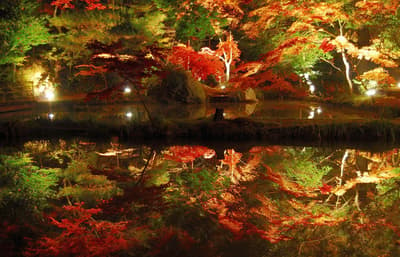
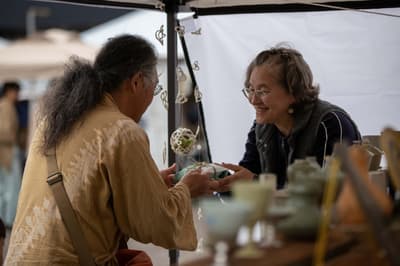
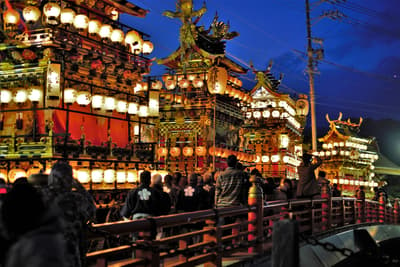
Higashi-Mino is located in the east of the Mino region of Gifu Prefecture, almost at the center of Japan. It consists of six cities and one town: Tajimi, Nakatsugawa, Mizunami, Ena, Toki, Kani, and Mitake. Culture from the Edo period, such as the post towns of the Nakasendo and community kabuki (地歌舞伎), still lives on here, and a unique way of life has developed alongside local industries such as ceramics and woodworking and the changing nature of each season.
The simple flavors drawn from the bounty of the mountain villages, including gohei mochi, the star of this event, as well as kurikinton and local sake, are also a major attraction of the region. The culture, scenery, and flavors protected and handed down by local artisans and producers are now drawing attention from a new generation and from overseas.