Iouji Temple, located in Iwata City, Shizuoka Prefecture, is a temple with a history believed to stretch back to the Nara period (729–749), making it one of the oldest in the prefecture. The temple grounds are home to a karesansui dry landscape garden said to have been created in the early Edo period (first half of the 17th century), a moss-covered approach path cultivated over centuries, and hydrangea that add vibrant color to the rainy season — each element reflecting the quiet beauty of passing seasons.
Karesansui Garden
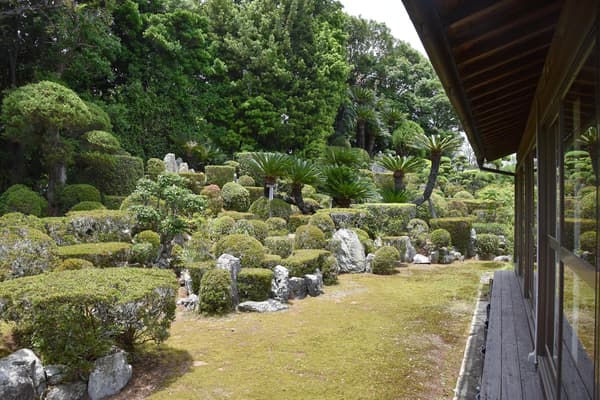
The karesansui garden at Iouji Temple uses artful stone arrangements to evoke the atmosphere of a mountain valley and deep forest. The interplay of moss and azalea plantings adds depth to the landscape, and the garden takes on different expressions depending on the season and the angle of light. It is a composed, serene space where pausing to take in the view brings a natural sense of calm.
The Moss-Lined Approach Path
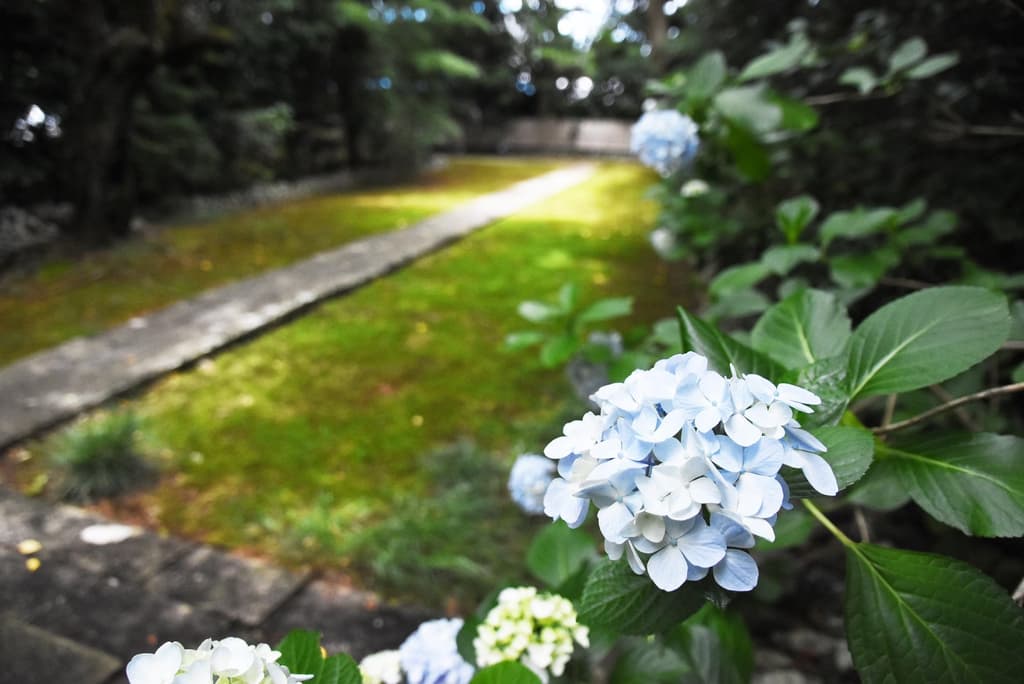
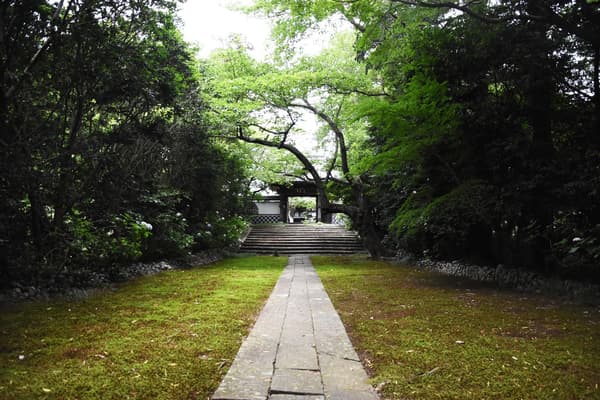
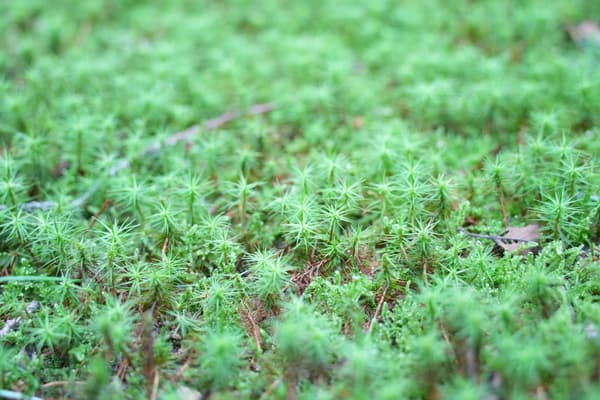
Along the approach to the main gate, Japanese hair moss nurtured over many years spreads out like a green carpet, and with each step deeper into the grounds, the atmosphere grows more tranquil. After rain, the moss absorbs moisture and takes on a lush sheen and vivid color that is particularly striking.
Note: While the path is an excellent photography spot, please remain on the designated walkway to help preserve the moss.
A Stroll Among Hydrangea in Bloom
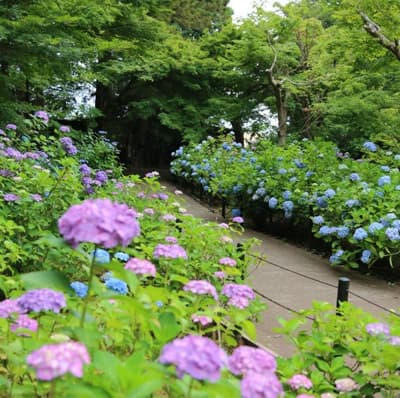
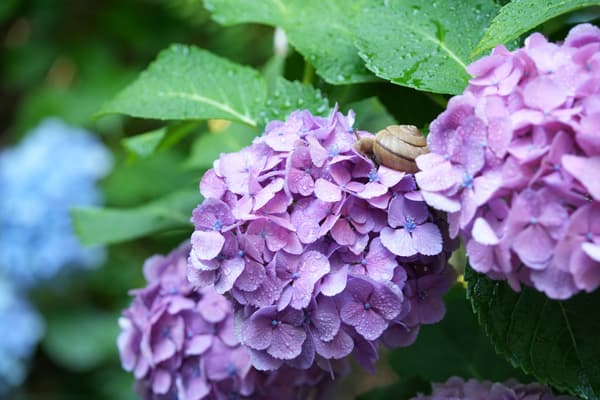
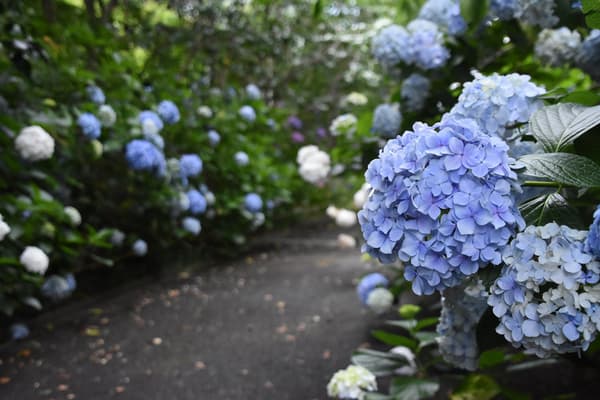
Throughout the spacious grounds, hydrangea in shades of blue, white, and pink are dotted about, their understated beauty softened by the gentle light of the rainy season. Walking the paths, the gradients of the flower clusters shift with each turn, and petals adorned with raindrops give off a quiet, subtle shimmer. With the blooms now at their peak, a visit makes for a lovely seasonal walk.
For the latest information on visiting hours, please check the official website before heading out.