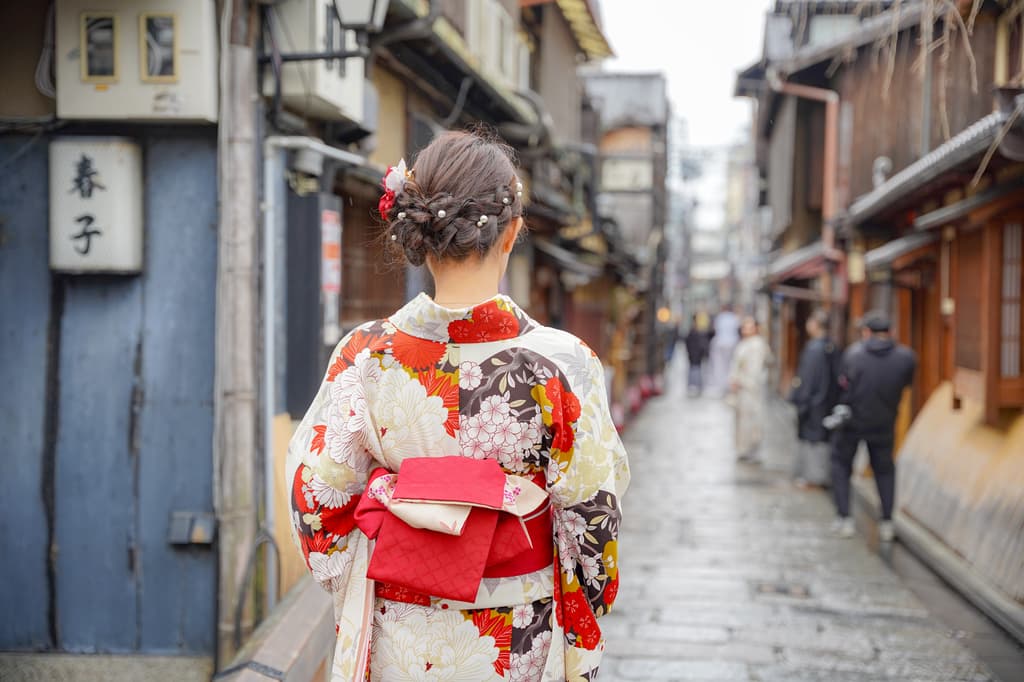
Wearing a kimono or yukata while walking through a historic Japanese neighborhood is one of those travel experiences that sticks with you long after you get home. The good news is that you do not need to own one or know how to put one on yourself. Hundreds of rental shops across Japan handle the entire process for you, from choosing a garment to getting dressed by a professional.
This guide covers the practical side of kimono and yukata rental: where to go, how the process works, what it costs, and what to keep in mind before you book.
Kimono vs. Yukata: What Is the Difference?
Before walking into a rental shop, it helps to understand what you are choosing between.
A kimono is the more formal of the two. It is typically made from silk or brocade, has a full lining, and is worn with multiple layers including an undergarment called a nagajuban. You can spot a kimono by its double collar -- the lower white collar belongs to the nagajuban underneath. Kimono can be worn year-round, with heavier fabrics for winter and lighter ones for summer.
A yukata is a simpler, single-layer cotton garment with no lining and no undergarment. It is lighter, cooler, and easier to put on. Rental shops in Japan typically offer yukata only during the summer months, roughly June through September. They are especially popular during summer festivals and fireworks events.
For most tourists visiting outside of summer, you will be renting a kimono. During summer, yukata becomes the default option and tends to cost less.
How the Rental Process Works
The typical flow at a kimono rental shop takes about 45 minutes to 90 minutes from start to finish, depending on how quickly you choose your outfit and whether you add hair styling.
Step 1: Reservation. Most shops accept online bookings through their websites. Reservations are strongly recommended, especially during cherry blossom season (late March to mid-April) and autumn foliage season (November). Weekend slots during peak season can fill up a month in advance.
Step 2: Choosing your kimono. When you arrive, staff will guide you through the available designs. Larger shops like Yumeyakata in Kyoto carry thousands of kimono, so allow 15 to 20 minutes for browsing. You will also select an obi (sash), bag, and sandals (zori or geta).
Step 3: Getting dressed. A trained dresser handles the layering and tying. Kimono dressing takes about 15 to 20 minutes for standard plans, or 25 to 30 minutes for more formal styles like furisode (long-sleeved kimono). You do not need to bring anything -- the shop provides all undergarments and accessories.
Step 4: Hair styling (optional). Many plans include a basic hair arrangement with kanzashi (decorative hairpins). More elaborate updos cost extra. Hair styling typically adds 15 minutes.
Step 5: Head out and explore. The shop will store your clothes and bags while you spend the day sightseeing. Most shops require you to return the kimono by closing time (usually 17:30 to 18:00). Some offer next-day return for an extra fee.
Step 6: Return. Just walk back to the shop, change back into your own clothes, and you are done. No need to fold or clean the kimono.
Where to Rent a Kimono in Kyoto
Kyoto is the most popular city in Japan for kimono rental, and the concentration of shops in the historic eastern districts makes it easy to find one near wherever you are sightseeing.
Gion and Higashiyama
The area around Kiyomizu-dera, Yasaka Shrine, and the stone-paved lanes of Ninenzaka and Sannenzaka is where most visitors end up wearing kimono. Several well-known rental shops operate here:
Okamoto is one of the oldest kimono rental chains in Kyoto, with seven locations including stores near Kiyomizu-dera and in Gion. Their floor space is unusually large, which means more room and less crowding during the dressing process. Standard plans start from around 4,000 yen.
Rikawafuku (Gion store) is popular for its quick dressing time (about 20 minutes) and trendy hair styling. It sits in the Gion area and is known for offering stylish, photogenic kimono options at competitive prices.
Wargo operates stores throughout Japan. Their Kyoto locations include a shop in Gion and another near Kiyomizu-dera. Plans start from around 3,300 yen including basic hair styling, and they carry plus sizes.
Arashiyama
The bamboo grove, Togetsukyo Bridge, and Tenryuji Temple make Arashiyama one of the best backdrops in Japan for kimono photos.
Okamoto Arashiyama is the largest kimono rental shop in the area by both floor space and number of garments.
Waraku has a shop near Arashiyama station, offering affordable plans and convenient access to the bamboo grove walking path.
If you want professional photos taken during your kimono experience in Kyoto, we offer a package that includes kimono rental and a one-hour photo tour with a professional photographer:
Kyoto Station Area
Yumeyakata operates one of Kyoto's largest rental facilities near Kyoto Station, with over 3,300 square meters of space. They have in-house photography studios and one of the widest selections of patterns, including options for tall and plus-size visitors.
Where to Rent a Kimono in Tokyo
Tokyo offers a different vibe from Kyoto, with rental shops concentrated in areas that blend traditional scenery with urban energy.
Asakusa
Asakusa is Tokyo's top spot for kimono rental. The traditional atmosphere around Senso-ji Temple, Nakamise shopping street, and the Sumida River provides a classic backdrop. Dozens of rental shops operate within walking distance of Asakusa Station.
Wargo Asakusa is located on the 4th floor of Asakusa Yokocho. Their standard plans start from around 3,300 yen. The shop is open from 10:00 to 18:00, with the last dressing at 17:30.
Rikawafuku Asakusa is one of the largest rental shops in the area, known for its wide variety including antique and retro patterns, lace-accented kimono, and modern designs. Their prices are competitive, and they handle English-speaking customers regularly.
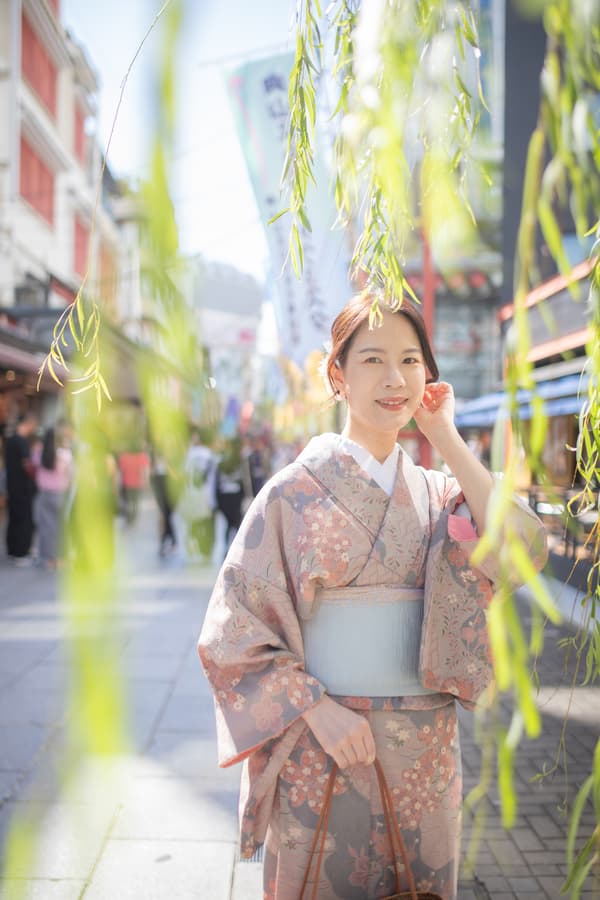
We also offer a kimono rental and photography package in Asakusa, where a professional photographer captures you at iconic spots around Senso-ji and the surrounding streets:
If you are planning to explore Asakusa in a kimono, our station guide covers how to get there and navigate the area:
Harajuku
Harajuku puts a playful spin on the traditional kimono experience. Shops here often offer bold, colorful designs and pop-culture-inspired accessories that you would not find in Kyoto.
Kimono Tokyo Harajuku on Takeshita Street offers rentals that you can wear around the Harajuku and Shibuya neighborhoods. They include dressing assistance and photo opportunities.
Sakaeya is run by a family with over 50 years in the kimono business. They offer a combined kimono and tea ceremony experience for 10,000 yen, or yukata rental at 6,000 yen with a dressing lesson included.
How Much Does It Cost?
Prices vary by city, shop, and plan, but here is a general breakdown:
| Plan Type | Price Range (JPY) |
|---|---|
| Standard kimono rental (women's) | 3,000 to 6,000 |
| Standard kimono rental (men's) | 3,500 to 6,000 |
| Couple plan | 6,000 to 10,000 |
| Premium / designer kimono | 8,000 to 15,000 |
| Furisode (long-sleeved formal) | 10,000 to 20,000 |
| Yukata rental (summer only) | 2,000 to 5,000 |
| Hair styling add-on | Free to 2,000 |
| Professional photo shoot add-on | 5,000 to 15,000 |
Most standard plans include the kimono, obi, sandals, bag, and basic accessories. Hair styling with simple kanzashi pins is often included at no extra charge. What pushes the price up is choosing a higher-grade fabric, adding elaborate hair arrangements, or booking a photography session.
Budget tip: booking online in advance often gets you a small discount compared to walk-in rates. Some shops also offer weekday discounts.
Pairing Kimono with Other Cultural Experiences
Wearing a kimono opens the door to other traditional activities that feel more immersive when you are already dressed for the occasion.
Tea Ceremony
A number of tea ceremony studios in Kyoto and Tokyo welcome guests in rental kimono. Sitting in seiza on tatami while wearing a kimono adds an authentic layer to the experience. In Kyoto's Gion district, a tea ceremony studio called Tea Ceremony Kyoto Gion offers chair-style sessions designed for international visitors:
Shrine and Temple Visits
Many visitors plan their kimono rental around visits to specific shrines and temples. In Kyoto, Fushimi Inari Shrine's thousands of vermillion torii gates make for some of the most memorable kimono photos. In Tokyo, the Senso-ji Temple grounds in Asakusa are the classic choice.
Photography Tours
If you want more than phone snapshots, several companies (including ours) offer professional photography packages combined with kimono rental. A photographer follows you for about an hour through scenic spots, and you receive 100 or more photos digitally. This is especially popular during cherry blossom season.
Practical Tips for Your Kimono Day
Wear comfortable underwear. You will be changing in a shared dressing area, and the dresser will layer garments over your underclothes. Seamless, form-fitting underwear works best under a kimono.
Skip the heavy makeup beforehand. If you are adding hair styling to your plan, arrive with clean, dry hair. Some shops offer makeup services, but most do not.
Bring minimal belongings. The shop stores your bag and clothes, but leave valuables at your hotel if possible. You will carry a small kimono bag during your outing.
Walk in short steps. Kimono restrict your stride. Take small steps and you will look more natural (and avoid tripping on the hem). The wooden geta sandals also take some getting used to.
Watch the weather. Rain and kimono do not mix well. Most shops will lend you an umbrella, but heavy rain can damage the fabric, and wet wooden sandals get slippery. Check the forecast before you book.
Plan your return time. Most shops close between 17:30 and 18:00. Build in enough buffer to get back before the deadline, especially if you are exploring an area like Arashiyama that is a 30-minute train ride from central Kyoto.
Book early during peak season. Cherry blossom season (late March to mid-April) and autumn foliage season (November) are the busiest times for kimono rental. Reserve at least two weeks ahead, or a month ahead for weekend slots.
When to Wear Kimono vs. Yukata
For most international visitors, the choice depends on the season:
- October through May: Kimono is the standard rental option. It provides warmth and formality suitable for temple visits and photo opportunities.
- June through September: Yukata is the lighter, cooler option, perfect for summer festivals (matsuri), fireworks shows (hanabi), and casual neighborhood walks.
Spring is an especially popular time to rent kimono. Cherry blossoms and kimono together create the kind of photos that define a Japan trip. If you are visiting during hanami season, book your rental early and plan to arrive at the shop when they open to make the most of the day.

Some special events and venues even offer their own kimono experiences. The Art Aquarium Museum in Ginza, for example, has run kimono rental programs that let visitors explore the goldfish exhibits in traditional dress:
Choosing the Right Shop for You
With so many rental shops available, here is how to narrow down your options:
Location matters most. Pick a shop near where you plan to sightsee. You do not want to spend time commuting in a kimono -- especially in wooden sandals.
Check the size range. If you are taller than 175 cm or need larger sizes, look for shops that specifically mention plus-size or tall options. Yumeyakata and Wargo both advertise extended size ranges.
Read recent reviews. English-language reviews on Google Maps and TripAdvisor can give you a sense of how well a shop handles international customers. Look for mentions of English-speaking staff.
Compare what is included. The cheapest plan might not include hair styling, accessories, or a bag. Compare the total value, not just the base price.
Consider a photography package. If photos are a priority, booking a combined rental and photo tour saves time and usually costs less than arranging them separately.