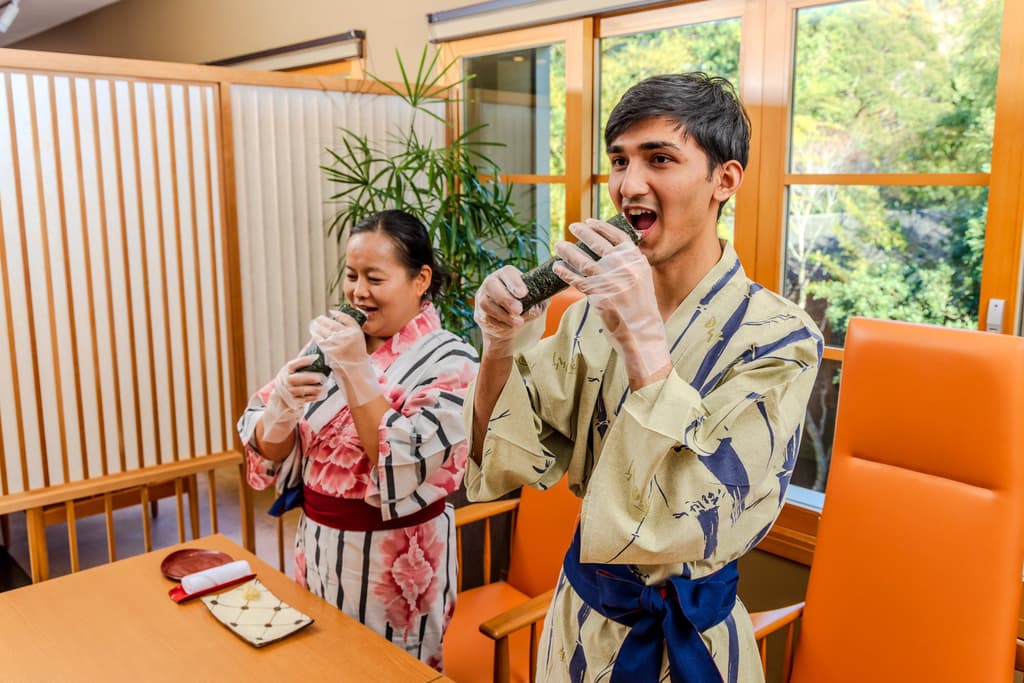
Kanagawa – A Hakone-based ryokan operator is reimagining one of Japan's most popular seasonal traditions by transforming ehomaki (lucky direction sushi rolls) from a mass-consumption product into a meaningful cultural experience. Kinnotake Tonosawa, part of the Kinnotake Resort group, is offering a hands-on ehomaki program from January 20 through February 28, 2026, allowing guests to learn about the tradition, prepare their own rolls, and experience the ritual of facing the auspicious direction while eating in silence.
From Consumption to Cultural Experience
Setsubun (the day before the start of spring) is a traditional Japanese event marked by eating ehomaki. In recent years, however, the custom has become increasingly commercialized, leading to mass production and significant food waste. According to calculations by Professor Katsuhiro Miyamoto of Kansai University (announced December 9, 2025), the economic effect of ehomaki in 2025 reached approximately 70.3 billion yen, while the value of unsold and discarded ehomaki amounted to approximately 1.31 billion yen.
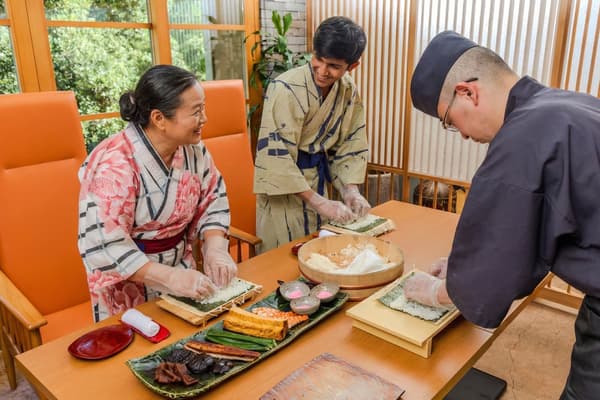
Kinnotake believes the issue isn't with ehomaki itself as a cultural tradition, but rather that the wishes and rituals behind it have been overshadowed by commercialization. Traditionally, ehomaki involves three distinct actions: facing a specific direction, eating, and remaining silent. By carefully following these prescribed movements, participants create a moment to step away from daily life and quietly reflect on their wishes and the changing seasons.
This program redefines ehomaki from a seasonal product for "consumption" into an "experience" that touches on the essence of the cultural tradition. By implementing a complete reservation system, the ryokan procures only what is needed, eliminating the waste associated with mass production of ehomaki.
Three Steps: Learn, Prepare, and Reflect
The experience is structured around three key phases: learning the cultural background, preparing the roll, and mindfully eating it while facing the auspicious direction.
Learn: Guests discover the origins of Setsubun and learn about the "seven ingredients" tradition. Based on the concept of "rolling in good fortune," seven ingredients are chosen in reference to the Seven Gods of Fortune, with each ingredient carrying its own symbolic wish.
Prepare: Under the guidance of a chef, guests carefully roll their own ehomaki using seven fortune-representing ingredients including shrimp, eel, and shiitake mushrooms, sharing in the blessings of the Seven Gods.
Reflect: Guests face the 2026 auspicious direction of "south-southeast" and enjoy a moment of silent eating (mokushoku), savoring their ehomaki with their wishes in mind.
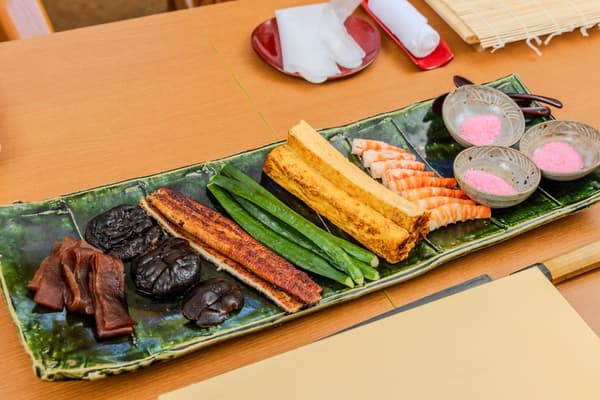
The program is designed not as a one-day event to be consumed and forgotten, but as an opportunity to thoroughly savor the ritual of wishing for good fortune in the new season within the tranquil atmosphere of a ryokan. Viewing February in its entirety as a "month for wishing fortune" that welcomes Risshun (the beginning of spring), the program continues through February 28.
This experience is recommended not only for those interested in Japanese annual events but also for people who have been too busy with daily life to fully enjoy seasonal traditions. English explanation sheets and English-speaking staff are available, making it accessible for international visitors experiencing Japanese culture for the first time.
Program Details
- Price: 8,800 yen (tax included) per person
- Duration: 1 hour
- Location: 191 Tonosawa, Hakone-machi, Ashigarashimo-gun, Kanagawa Prefecture
- Available: Weekdays, 12:00 PM to 2:00 PM
- Reservation: https://kinnotake-resorts.com/ryocance/tonosawa/ryocance_tonosawa_ehomaki.html
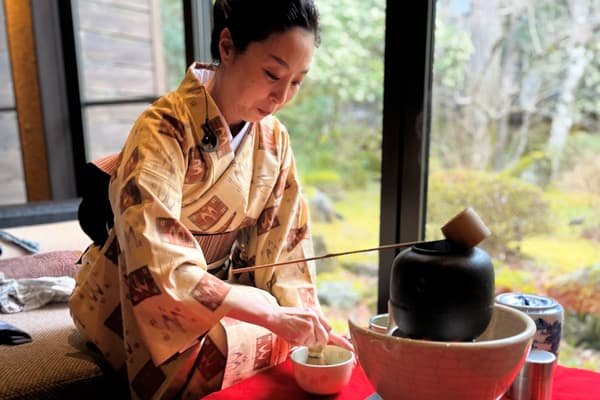
About Ryocance: Where Japanese Culture Comes to Life
Ryocance is Kinnotake Resort's unique accommodation style that combines "ryokan × vacance (vacation)," launched in January 2024. The project started by offering cultural experiences such as tea ceremony, calligraphy, and kimono dressing during guests' stays.
The resort's core philosophy is to make Japanese culture and annual events accessible not only to those with specialized knowledge but to everyone, allowing guests to naturally experience the meaning behind traditions and rituals in the ryokan's setting that is slightly removed from everyday life. Ryocance aims to transform Japanese culture from "observational tourism" into "experiential stays," helping domestic and international guests feel closer to Japan's charms.
Applications are currently being accepted from individuals who wish to become Ryocance experience providers. Gender, nationality, and special qualifications or backgrounds are not required; anyone with Japanese cultural knowledge, skills, or talents they can share in creating ryokan experiences is welcome to apply.
Future Outlook
Kinnotake will continue to deliver various Japanese seasonal events through the Ryocance program. By experiencing annual events from the perspective of their "prescribed movements" in the extraordinary space of a ryokan, the company aims to convey the spirituality of Japanese culture to both domestic and international guests.
The resort will also continue promoting sustainable tourism through initiatives such as reducing food waste with the complete reservation system.
Commitment to Sustainability
The Kinnotake Group pursues environmental impact reduction and preservation of Japanese cultural values through its daily accommodation experiences. Guest rooms feature bamboo toothbrushes and hairbrushes, while the spa uses natural materials with environmental consideration. At the teppanyaki restaurant "Zen," vegetable peels and stems that would normally be discarded are utilized in soup preparation, contributing to food waste reduction. Through these initiatives, the resort communicates the Japanese cultural spirit of valuing nature and ingredients throughout the guest experience.
About Kinnotake Resort
Kinnotake Resort opened its first onsen ryokan in Sengokuhara, Hakone-machi, Kanagawa Prefecture in 1947. In 1999, the resort pioneered new value and enjoyment in onsen ryokan through private outdoor baths, which were still rare at the time. Currently operating five ryokan facilities and three dining establishments, the company is expanding its portfolio through diversification including a new craft beer business and opening new ryokan facilities targeting different customer segments. This strategy aims to achieve sustainable growth by adapting to changes in the external environment.
For more information: https://kinnotake-resorts.com