Asakusa is a place where Japanese traditions and culture remain strong. One of the most famous temples in the area is Senso-ji, crowded with tourists every day and a perfect place to experience Japanese history and culture.
But Asakusa has much more to offer beyond the temple grounds. In this article, our editorial staff who are Asakusa locals have handpicked 10 activities we recommend for sightseeing in Asakusa.
Take a look at the fun things to do in this area, which is full of old-town downtown atmosphere!
Tip from a local: The best time to visit Asakusa is early morning (before 9:00 a.m.) or in the evening after 5:00 p.m. Midday crowds around Senso-ji can be intense, especially on weekends and holidays. Most of the spots on this list can be covered in a full day, or you can focus on a few and take it at a relaxed pace over half a day.
1. You Can't Miss This Place! Senso-ji (Kaminari-mon / Nakamise)
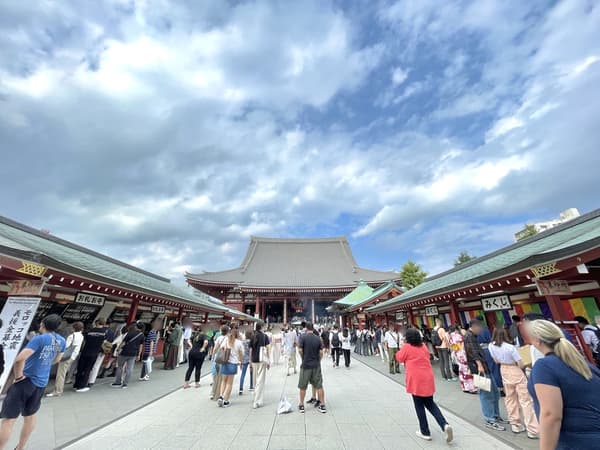
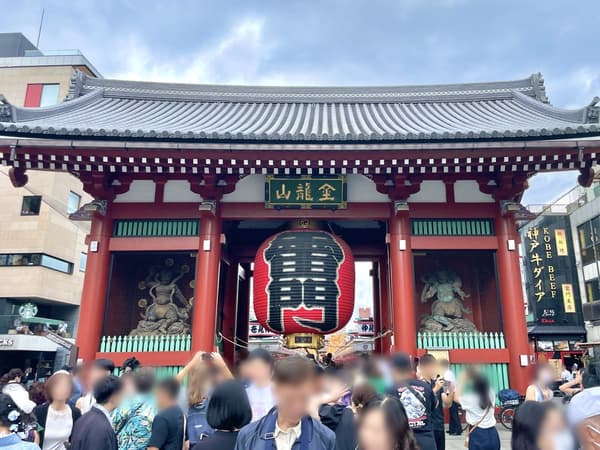
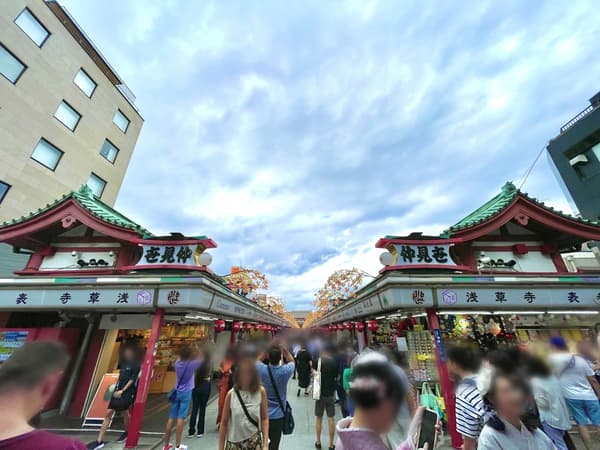
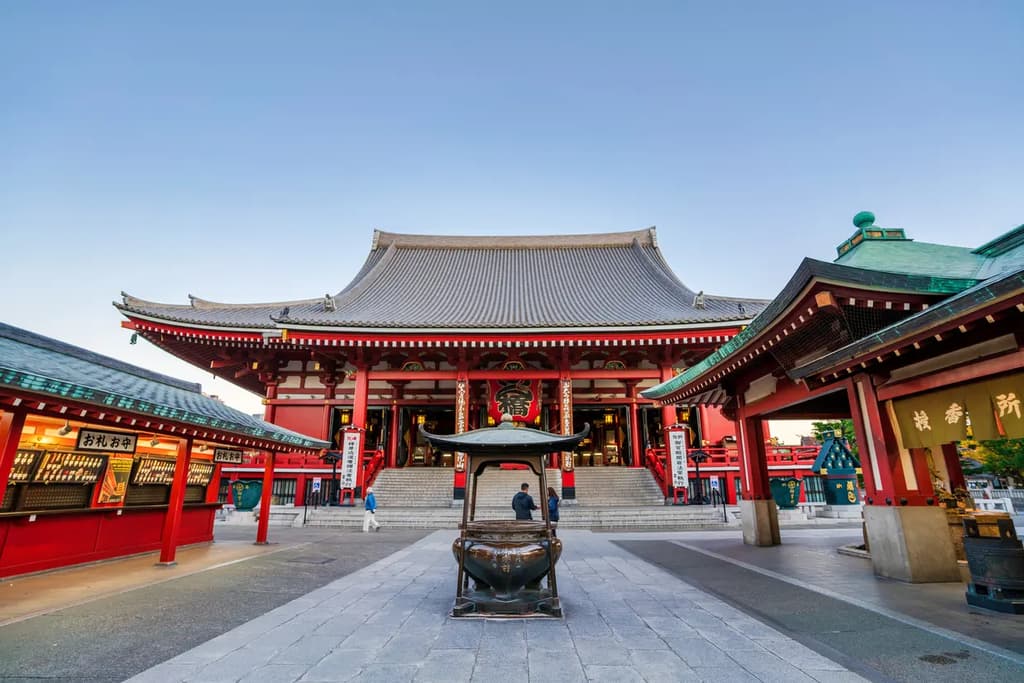
Senso-ji is the oldest temple in Tokyo, said to have a history of nearly 1,400 years. A large gate called Kaminari-mon (Thunder Gate), which is also the symbol of the temple, stands at the entrance. Visitors can reach the Five-Storied Pagoda and the Main Hall through Nakamise-dori, a 250-meter shopping street lined with about 90 small shops.
If you come here, you should pay a visit! The benefit is "Shogan Jyojyu" (wish fulfillment). It is said that wishes in general will be fulfilled.
The proper order of visitation is to purify your hands and mouth at the chozuya and your body and soul at the jokoro (incense burner). After praying, draw an omikuji (written oracle). The proper way to visit a temple is to bow with your palms together, pray for your wish, and then bow again.
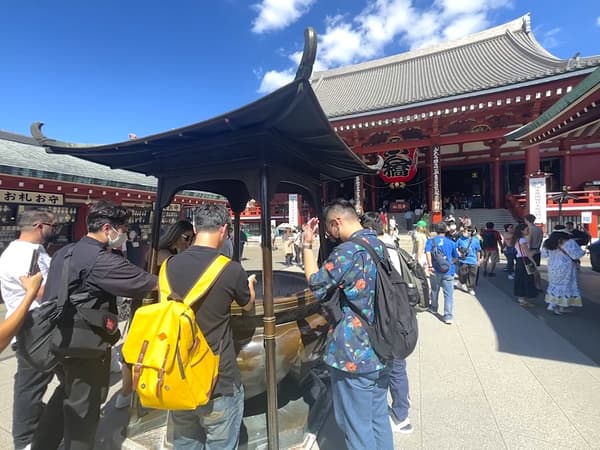
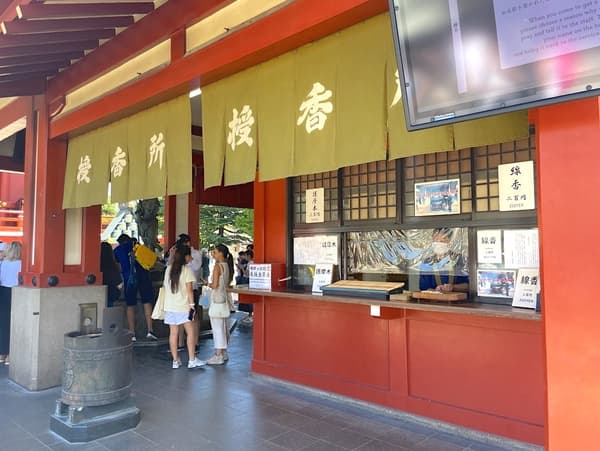
The evergreen incense burner in front of the main hall allows visitors to purify their bodies and minds by bathing in the smoke from incense offerings. It is also said that if you pour it over a bad part of your body, you will be cured, so many worshippers pray for good health.
When I was little, my parents used to tell me that if I poured it on my feet, I would get faster. I remember being told that if I poured it on my head it would make me smarter, and I would desperately bathe in the smoke.
For a deeper look at everything Senso-ji has to offer, including food spots along the way, check out our complete guide:
2. Visit Asakusa Shrine, the Strongest Power Spot in Japan!
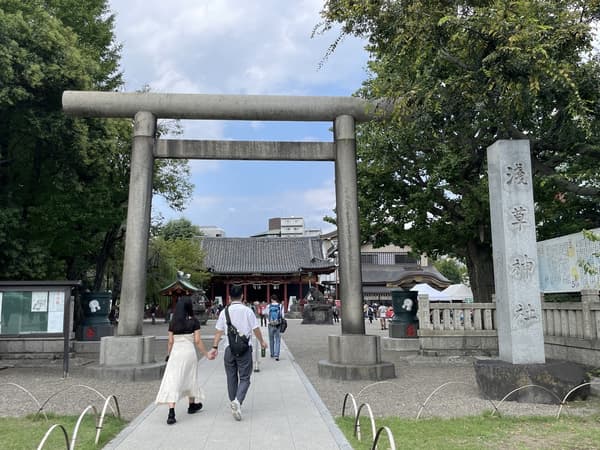
Asakusa Shrine, popularly known as Sanja-sama, is located on the grounds of Senso-ji. It is often mistaken for a part of Senso-ji, but they are completely different. While the temple is Buddhism, the shrine is Shinto, and the religions that are believed in are different.
The Asakusa Shrine is located in the back right corner from the main hall of Senso-ji. It is located next to the main hall, so you will see the torii gate of Asakusa Shrine as soon as you walk.
The Sanja Matsuri (Sanja Festival) is held every May at this Asakusa shrine. It is one of the most popular festivals in Japan, attracting approximately 1.8 million visitors during the three-day event. On the final day, approximately 100 portable shrines are paraded through the Asakusa area. The sight of a large number of people carrying the mikoshi is very impressive and worth seeing. In 2026, the festival falls on the third weekend of May (May 15-17).
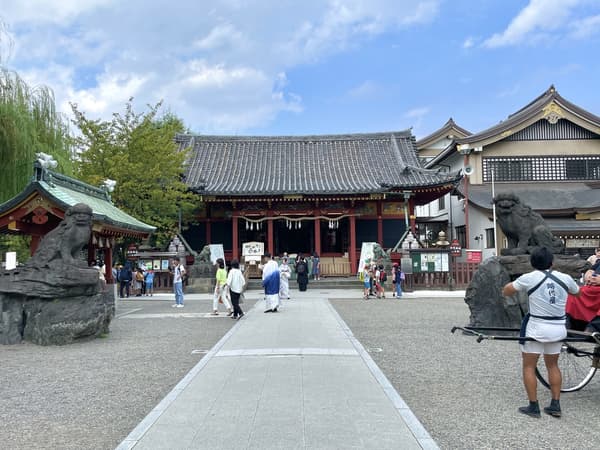
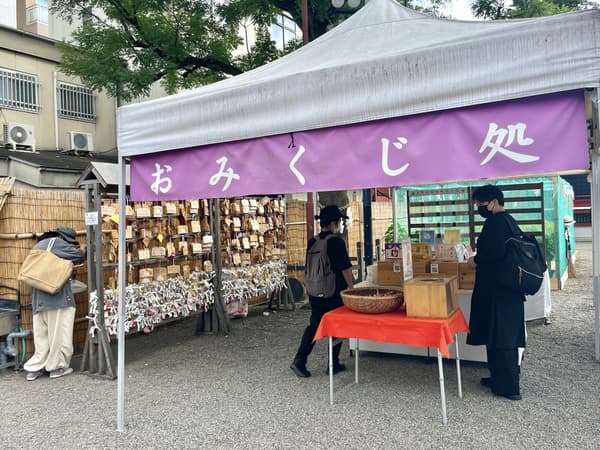
The Asakusa Shrine offers the blessing of "wish fulfillment (Shingan-jyojyu)," the fulfillment of one's heart's desire, which means that anything can come true if one sincerely and strongly wishes for it. It can be said to be the strongest power spot in Japan.
If you come to Senso-ji, do not skip this shrine right next door.
3. Retro Amusement Park "Hanayashiki" for Couples and Families
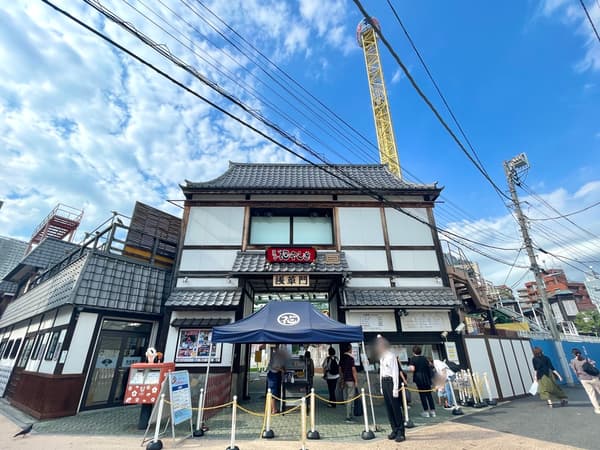
Opened in 1853, Asakusa Hanayashiki is considered the oldest amusement park in Japan. It is located about a 5-minute walk from Senso-ji.
There are many historical attractions, and among them, the oldest roller coaster, which was created in 1953, is one of the main draws of Hanayashiki. The retro atmosphere is unforgettable. On a weekday, you can enjoy the ride in about two hours.
In March 2026, Hanayashiki reopened its rooftop area as a flower garden featuring 87 types of flowers and greenery, going back to its origins as a botanical garden. It is a nice spot to relax after the rides.
4. Eating and Walking in Asakusa
Fill Up on Street Food!
Asakusa is a place for eating and walking! Not only in the Nakamise area of Senso-ji, but also in many other places, there are take-out stores specializing in a wide variety of foods, from sweets to side dishes, including cute gourmet foods that are popular on social networking sites. It can be hard to decide which one to try.
Here are three gourmet foods that our editorial staff has actually eaten and recommends!
Kuroge Asakusa Kaminarimon Store
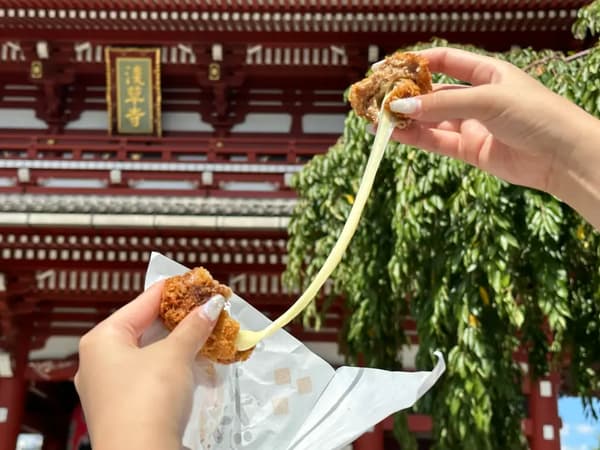
Kuroge Asakusa Kaminarimon Store is a store where you can purchase croquettes, a classic Japanese menu item. The store is located behind Nakamise Street, and its signature dish is the "Kaminarimon Cheese Menchi." It is a soft meat patty mixed with ground meat and cheese, deep fried until golden.
The reason for the popularity of cheese menchis here is the overwhelming amount of cheese! When you break it open, you can see the cheese stretching out, making it a new Asakusa specialty that is sure to be a hit on your social networking sites.
Original Ningyo-yaki Kimuraya Main Store
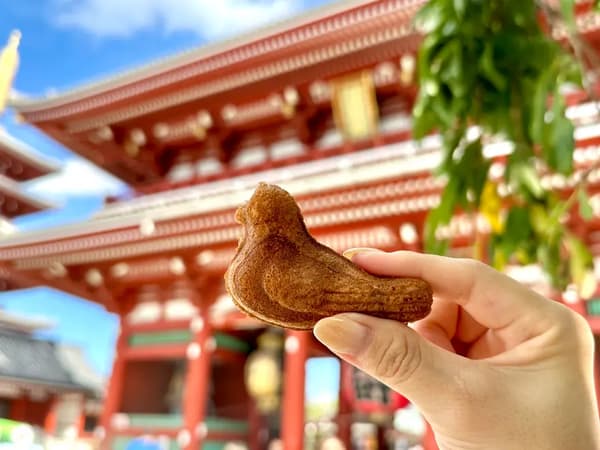
Original Ningyo-yaki Kimuraya main store is the oldest ningyo-yaki shop in Asakusa. Ningyo-yaki is a traditional Japanese baked sweet, made of a glutinous dough filled with red bean paste (anko) or cream and baked into the shape of a doll.
The ningyo-yaki, invented in connection with Asakusa and shaped like a dove, five-story pagoda, Kaminari-mon, and paper lantern, are cute to look at and are a staple of the eating experience. The store is conveniently located right next to Senso-ji.
Kikusuido
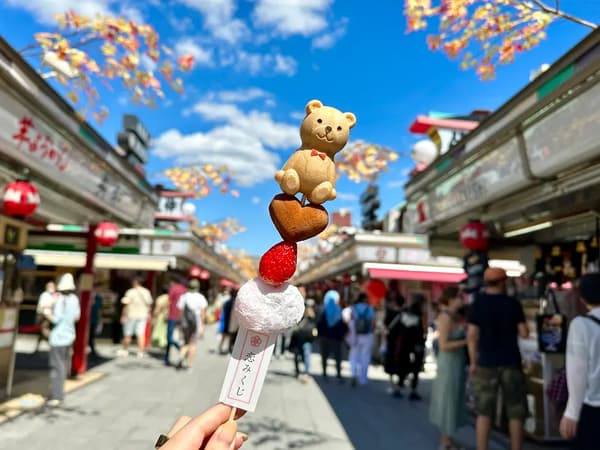
Kikusuido is a long-established confectionery store in Asakusa. Here, you will find Asakusa's famous sweets such as deep-fried manju and ningyo-yaki. The strawberry sponge cake skewers with a love fortune are especially popular and perfect for eating on the go.
For more street food ideas around Asakusa and other Tokyo neighborhoods, take a look at our street food guide:
Asakusa's Famous Restaurants Loved by Locals
Asakusa is famous as an area lined with long-established restaurants with a long history. Here are three famous restaurants in Asakusa that are loved by locals for daily use.
Monburan Asakusa Store
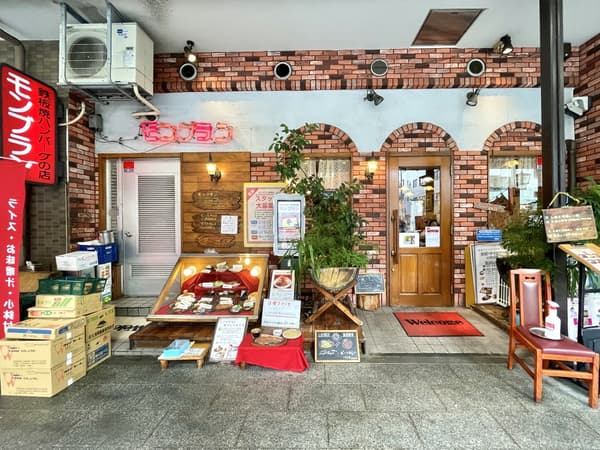
There are some restaurants in Asakusa that are known as long-established spots, and "Monburan" is another famous restaurant that has been in business for more than 35 years. Their "Teppan-yaki hamburger steak," a ground meat patty grilled on a hot iron plate, is a popular dish. Various types of sauces are available, allowing you to choose your favorite flavor.
Access is via the arcade from Asakusa Station, making it easy to get to even on rainy days.
Asakusa Tsurujiro
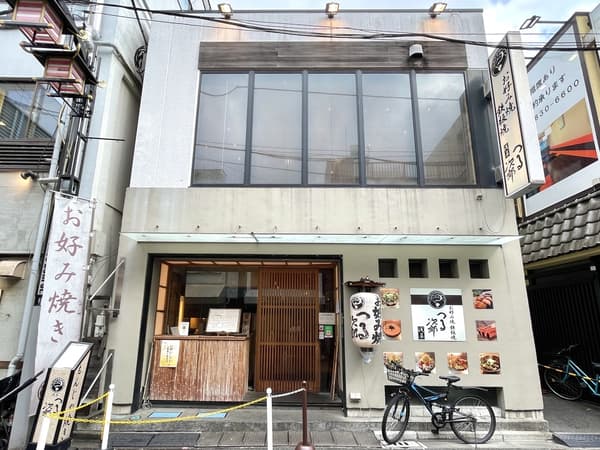
Asakusa Tsurujiro is a monjayaki restaurant in Asakusa where the line is always long. Monjayaki is a local dish of Tokyo, a thin dough topped with cabbage, pork, squid, and other toppings, which is then baked on a hot griddle.
The monjayaki here is made with fine soup stock and quality ingredients, served in a modern Japanese style restaurant. Do not leave without trying their popular "Mentaiko Mochi Cheese" monjayaki.
Kintaro Sushi Main Store
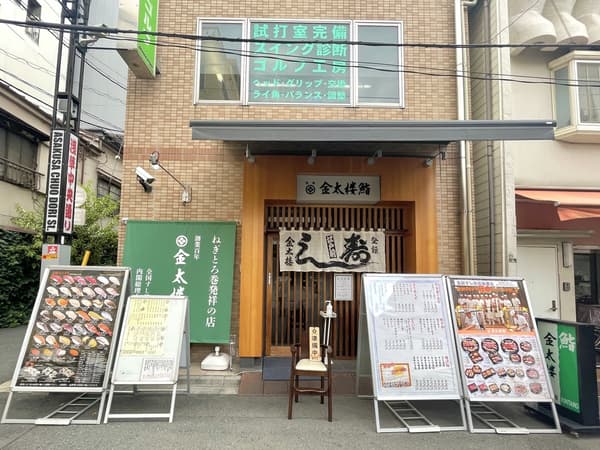
Kintaro Sushi main store is a long-established Edomae-zushi sushi restaurant that has been in business for 100 years. It is said to be the birthplace of Negitoromaki (food consisting of negi, tuna, and sushi rice wrapped in seaweed), a standard sushi dish in Japan! You can enjoy fresh and abundant seasonal ingredients at a reasonable price.
Daytime Drinking on Hoppy Street
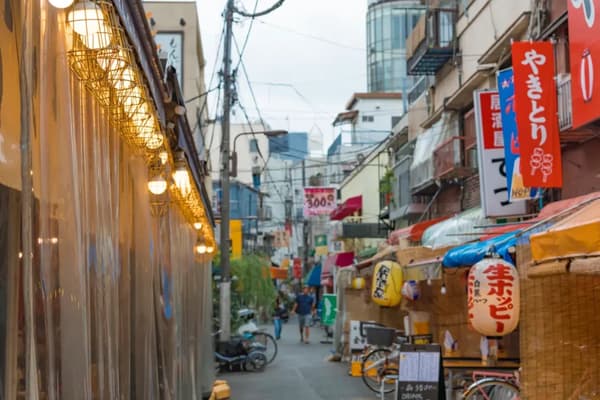
Many people in Tokyo associate Asakusa with daytime drinking! The reason for this is Hoppy Street, located just a few minutes' walk from Senso-ji.
Hoppy Street is a street lined with izakaya (Japanese-style pubs) in Asakusa. As the name implies, the stores along the street serve a uniquely Japanese alcoholic beverage called Hoppy. The street is also known as "Nikomi Street" because many restaurants serve Motsuni (tripe stew), a classic Japanese comfort food.
If you want to explore Asakusa's drinking scene more deeply, our local bar-hopping tours are a great option:
5. Buy Souvenirs with Asakusa-Specific Packaging!
Tokiwado Kaminari-okoshi Honpo "Kaminari-okoshi (Sweet Rice Cracker)"
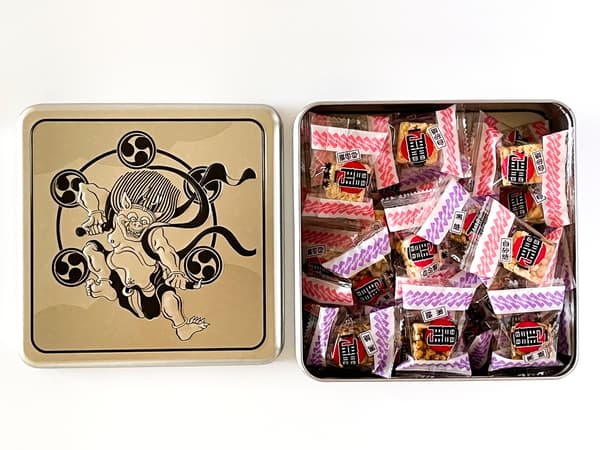
One of the most popular souvenirs from Asakusa is Tokiwado's "Kaminari Okoshi." Kaminari Okoshi is made by roasting steamed rice cakes, mixing them with starch syrup, sugar, peanuts, and other ingredients, and kneading the mixture into a hardened paste.
The store that sells them, Tokiwado, is a long-established business that has been around for more than 200 years. The main Kaminarimon store, located right next to the Kaminarimon gate, also offers demonstrations of Kaminari-okoshi making. You can also find Kaminari-okoshi in an original Japanese-patterned drawstring bag, so if you are looking for a uniquely Japanese souvenir, it is worth a visit.
Yagenbori Shichimi-Togarashi Honpo "Shichimi-Togarashi"
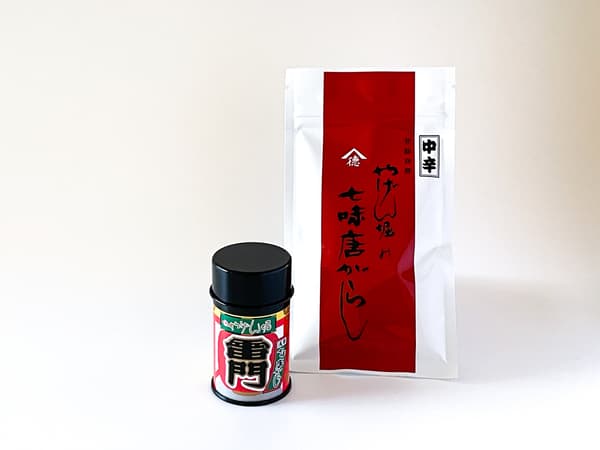
Yagenbori Shichimi-Togarashi Honpo is a long-established shop that has been in business for about 400 years. Here, they prepare and sell shichimi-togarashi, a Japanese seasoning and mixed spice based on chili peppers. Shichimi-togarashi is characterized by a perfect balance of spiciness and flavor, adding a tangy accent to dishes. This seasoning is a good pick for those who want to taste Japanese flavors at home.
The products sold at Yagenbori come in a Kaminarimon-specification container, and the set of shichimi-togarashi is very popular as a souvenir.
Kameju "Dorayaki"
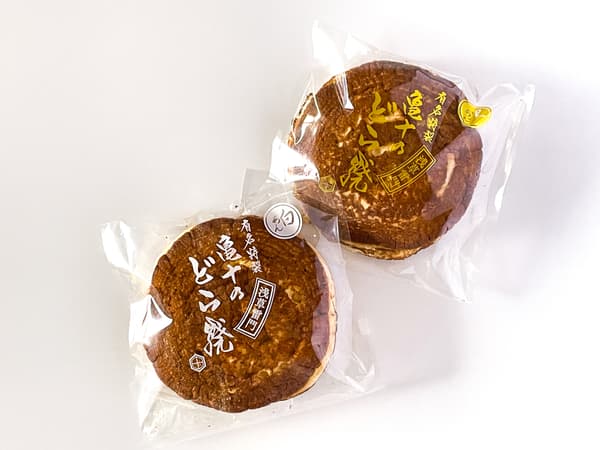
Kameju is one of the most popular souvenir stores in Asakusa. Dorayaki is the signature product. This dorayaki is also one of the three most popular dorayaki in Tokyo. Dorayaki is a traditional Japanese confectionery made with mochi dough, filled with red bean paste, and baked. Kameju sells two types of dorayaki, one with white bean paste and the other with black bean paste.
The other day on a weekday, I waited in line from 9:50 a.m., 10 minutes before the store opened, and was able to purchase my order at 10:30 a.m. I waited in line for about 40 minutes. As you would expect from such a popular store!
6. Enjoy Rakugo All Day Long at Asakusa Engei Hall
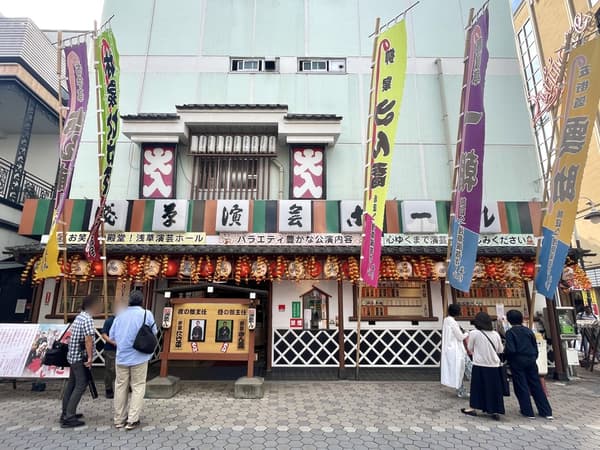
Asakusa Engei Hall is a special place to enjoy traditional Japanese entertainment culture. Here, classic Japanese performing arts such as rakugo, manzai, and magic tricks are performed.
Asakusa Engei Hall is open all year round, with two performances a day, but you can come and go as you please. Since the performers change every 15 minutes or so, it is possible to drop in and enjoy the stage for just a couple of acts.
Unfortunately, there are no simultaneous translations available at this time, but even if you do not understand the language, you can still feel the atmosphere of traditional Japanese culture.
7. Rent a Yukata or Kimono and Explore the Town
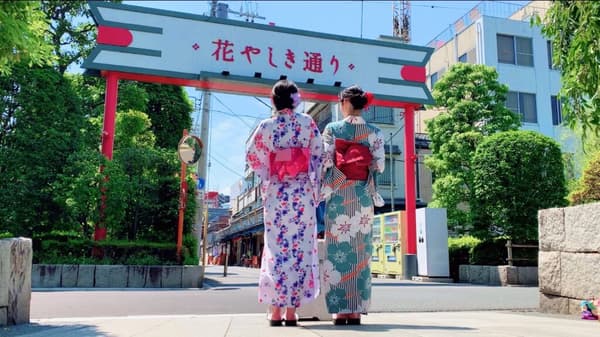
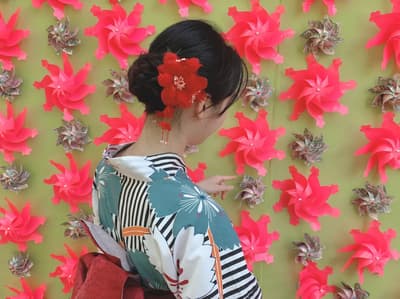
Asakusa is also a town where kimonos look good. Many people rent kimonos and yukatas and enjoy strolling around the town. There are many kimono rental stores, so choose the store that best suits your purpose, scene, and taste.
Our kimono rental plan comes with a professional 1-hour photoshoot so you can capture your memories properly:
8. Take a Rickshaw Ride for a Special Experience
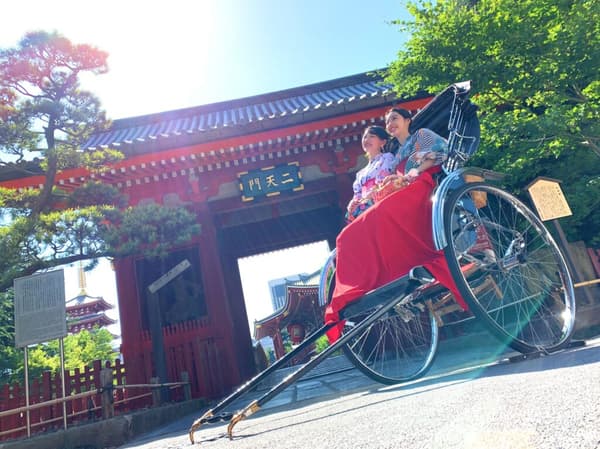
A rickshaw is a traditional Japanese form of transportation in which the vehicle is pulled by human power. The rickshaw driver carries the traveler along, guiding them through tourist attractions and historical areas. The attraction of this method is that it is faster than walking and allows you to see all the points of interest. You also get to enjoy the sights of the town from a higher vantage point than passersby.
Rickshaw rides are a popular activity in Asakusa, and there are always many rickshaws lined up in front of Asakusa station. You can make reservations online in advance, or you can take a rickshaw that is waiting in front of the station. However, some rickshaw drivers do not speak English, so making a reservation in advance can be a safer option.
The drivers teach you about the area as they go, so you will have a much better understanding of Asakusa after the ride!
For a day trip combining kimono, rickshaw, and street food in Asakusa, check out our experience report:
9. Walk Along the Sumida River and Cross to Tokyo Skytree
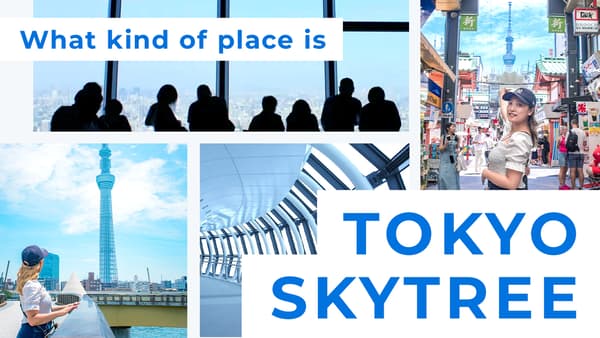
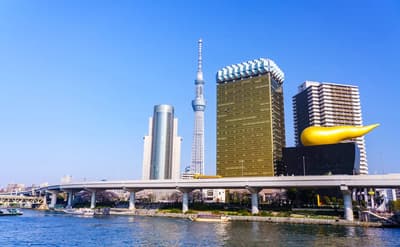
One of the best things about Asakusa that many visitors overlook is the area along the Sumida River. Sumida Park, located along the riverbank near Asakusa, offers some of the nicest views in the neighborhood. You can see Tokyo Skytree reflected in the river, and the park is especially popular during cherry blossom season in late March and early April.
From here, you can cross the Sumida River Walk, a pedestrian bridge that opened in 2020, and walk to Tokyo Skytree in about 15 minutes. Along the way, you will pass through TOKYO mizumachi, a small strip of cafes and shops under the rail line with a more local feel than the Solamachi mall at the base of Skytree.
Tokyo Skytree itself stands 634 meters tall and offers observation decks at 350 and 450 meters. On a clear day, you can see as far as Mount Fuji. Fixed date-and-time tickets can be purchased online in advance.
For more details about visiting Skytree, see our guide:
10. Browse Kappabashi Kitchen Town
Just a 10-minute walk west of Senso-ji, Kappabashi Kitchen Town (also called Kappabashi Dougu Street) is an 800-meter-long street packed with over 170 shops selling kitchen tools, tableware, and restaurant supplies. It is a popular destination for both professional chefs and souvenir hunters.
The highlight for many visitors is the fake food (food sample) shops, where you can buy incredibly realistic plastic replicas of sushi, ramen, and other Japanese dishes. These make for unique and lightweight souvenirs. You will also find high-quality Japanese knives, ceramics, lacquerware, and chopsticks at reasonable prices.
Kappabashi is less crowded than the Nakamise area and gives you a chance to see a more working side of Tokyo.
Getting to Asakusa
The nearest stations are Asakusa Station on the Tobu Skytree Line, Tokyo Metro Ginza Line, Tsukuba Express, and Toei Subway Asakusa Line (Exit A4). Each is about a 5-minute walk from Senso-ji.
If you are coming from Narita Airport, the Keisei Skyliner to Ueno and a transfer to the Ginza Line is the most straightforward route. From Haneda Airport, take the Keikyu Line to Asakusa via Toei Asakusa Line direct.
For a detailed breakdown of all four railway lines, exits, and elevator access, check out our station guide:
How Long Should You Spend in Asakusa?
Depending on your goals, you can visit most of the sightseeing spots in Asakusa in half a day. If you want to spend more time picking out souvenirs, eating and walking around, or walking to Skytree, a full day will give you plenty of time to enjoy your visit.
A good day plan might look like this: start at Senso-ji and Asakusa Shrine in the morning, grab street food along Nakamise and the side streets, have a sit-down lunch at one of the local restaurants, then walk along the Sumida River toward Skytree in the afternoon. Finish the day with drinks on Hoppy Street in the evening.
Upcoming Events in Asakusa
Asakusa always has something going on. In spring 2026, the Asakusa Hyakki Yako Parade is scheduled for April 4, with participants dressed as yokai (Japanese supernatural creatures) marching through Asakusa Rokku Broadway:
The Sanja Matsuri, one of Tokyo's biggest festivals, takes place over the third weekend of May (May 15-17 in 2026). If your trip overlaps, expect huge crowds but also one of the most exciting festival experiences in Japan.
Capture Your Asakusa Memories with a Photo Tour
If you want professional photos of your time in Asakusa, we offer private 1-hour photoshoots around Senso-ji, Kaminarimon, and the surrounding streets. You will receive over 100 edited photos, and the photographer can guide you to the best spots: