Summary
Asakusa is one of Tokyo's most popular neighborhoods for good reason. Senso-ji Temple, Nakamise Shopping Street, and the Tokyo Skytree views from the Sumida River make this area a highlight of any Tokyo trip. But beyond the big-name spots, Asakusa is also full of back-alley izakayas, traditional sweet shops, and local characters that give it a charm you won't find in newer parts of the city.
My friend and I spent a full day exploring Asakusa in beautiful kimonos, eating our way through the shopping streets, and taking a rickshaw ride through the quieter side streets. Below is our recommended itinerary, along with some extra spots and tips we picked up along the way. Whether this is your first visit or your fifth, there is always something new to find here.
*Please note that the information and prices listed are subject to change.
How to Get to Asakusa
Asakusa is easy to reach from most parts of Tokyo. Here are the main options:
- Tokyo Metro Ginza Line: Get off at Asakusa Station (Exit 1 for Kaminarimon Gate). About 15 minutes from Ueno, 30 minutes from Shibuya.
- Toei Asakusa Line: Also stops at Asakusa Station. Convenient if coming from Nihonbashi or Shinagawa.
- Tsukuba Express: Asakusa Station on this line is a short walk from the temple area.
- Tobu Skytree Line: Useful if you are combining Asakusa with a trip to Tokyo Skytree or Nikko.
If you are arriving from Narita Airport, the Keisei Skyliner to Ueno plus the Ginza Line takes about 70 minutes total. From Haneda Airport, the Keikyu Line connects to the Asakusa Line directly.
For a detailed breakdown of all exits, coin lockers, and navigation tips, check out our guide written by a local Asakusa resident:
Travel Itinerary
10:55am Kaminarimon Gate (Kaminarimon)
Kaminarimon Gate is the first thing that comes to mind when talking about Asakusa. It is a standard meeting place for starting your day here. The giant red lantern weighing about 700 kg and the statues of the Wind God (Fujin) and Thunder God (Raijin) on either side are classic photo spots.
It is always crowded with people during the day. If you go there early in the morning (before 9am or so), you can have the Kaminarimon Gate mostly to yourself.
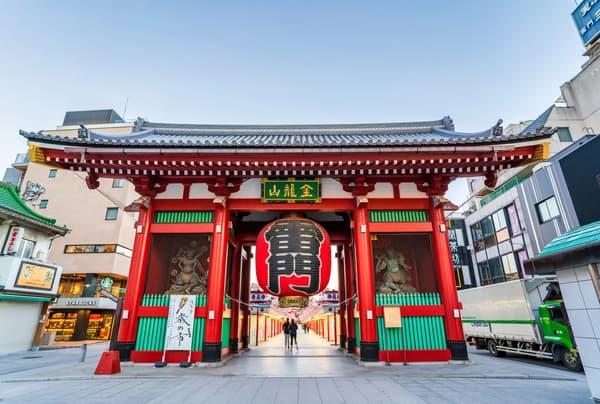
Kaminarimon Gate is the main gate of Sensoji Temple in Asakusa, Taito-ku, Tokyo. Around the Kaminarimon is Nakamise-dori, where visitors can enjoy eating and shopping. Right across the street is the Asakusa Culture Tourist Information Center, which has a free observation deck on the top floor (more on that later).
11:00am Asakusa Kimono Rental Daikichi (Asakusa Kimono Rental Daikichi)
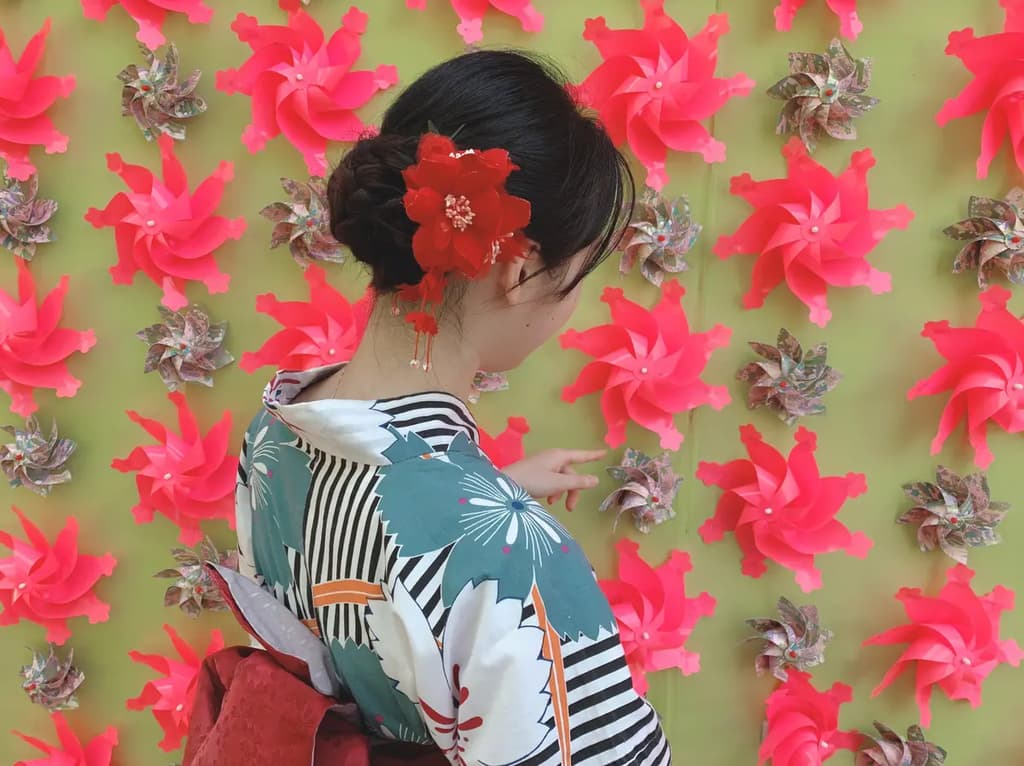
Because we are in Asakusa, we want to wear a kimono for sightseeing! This shop does not require a reservation, so you can just walk in.
They even take pictures!
With the student plan, you can get dressed and photographed for 2,500 yen!
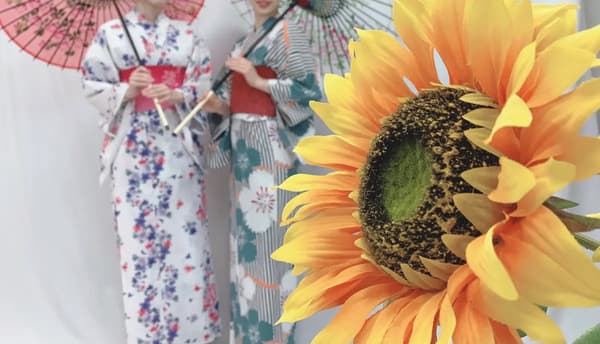
Kimono Rental Daikichi is a rental costume shop located in Asakusa, Taito-ku, Tokyo. The shop focuses especially on kimono rentals, which are available without reservations. It is a good spot for those who wish to explore Asakusa in kimonos for sightseeing. Wearing a kimono in Asakusa is one of the most popular things for visitors to do, and you will see plenty of other people in kimono walking through the temple grounds and shopping streets.
If you want to capture your kimono look with a professional photographer in the Asakusa area, we also offer a private photoshoot experience near Senso-ji Temple:
12:00pm Taiken Dining WASHOKU (Taiken Dining WASHOKU)
Asakusa x superb view x Japanese food -- that is what this restaurant is all about! This restaurant is a hidden gem in Asakusa, not widely known but offering a really special lunch experience. It is a great choice for introducing visitors to Japanese cuisine or enjoying a leisurely lunch with friends.
It is located about a five-minute walk from Kaminarimon Gate toward the Sumida River.
12 kinds of Obanzai plate
Obanzai refers to a style of Kyoto's traditional home cooking, emphasizing local and seasonal ingredients in a variety of dishes. This lunch menu is supervised by a nutritionist. You can enjoy a variety of tastes in one plate! There are also hamburgers and other Western-style menu items for those who prefer something different.
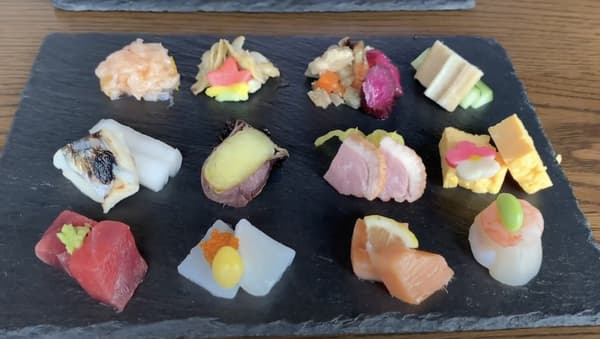
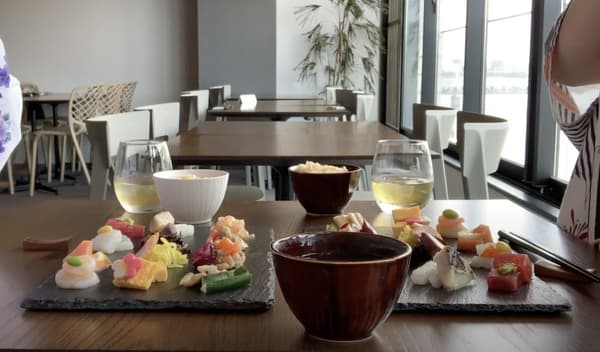
The view from the terrace is fantastic
There is also terrace seating overlooking the Skytree and Sumida River! On a clear day, the view is hard to beat.
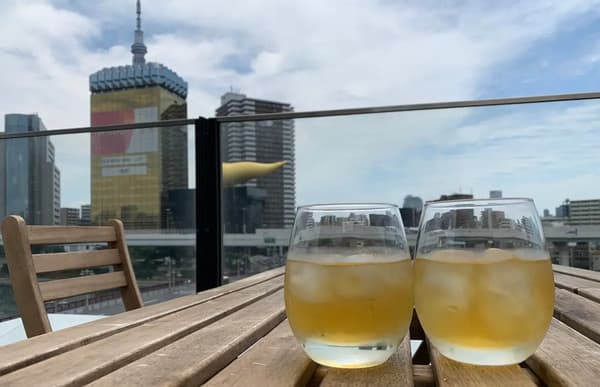
Taiken Dining WASHOKU is a Japanese restaurant located in Kaminarimon, Taito-ku, Tokyo. Sitting on the 5th floor of the building, you can enjoy a meal while looking out at the Asakusa skyline. It is located about a 5-minute walk from Kaminarimon Gate, toward the Sumida River side.
1:00pm Nakamise Shopping Street (Nakamise Shopping Street)
The main street of Asakusa. Running about 250 meters from Kaminarimon Gate to the Hozomon Gate of Senso-ji, it is one of the oldest shopping streets in Japan with about 89 stores lining both sides.
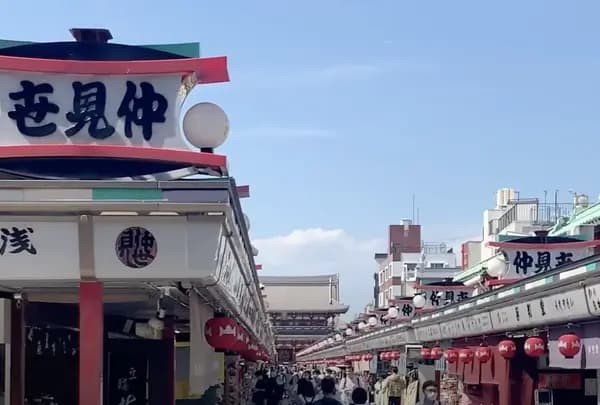
Nakamise is packed with Asakusa street food. Some of the snacks you will want to look for include:
- Asakusa Kagetsudo melon pan: A crispy melon pan (sweet bun) that you can get stuffed with ice cream for around 700 yen. The line is usually long, but it moves fast.
- Kibidonya: Small millet dumplings (kibi dango) sold in sets of five, a classic Asakusa treat since the Edo period.
- Asakusa Menchi: Juicy menchi katsu (deep-fried ground meat patties) from a tiny stand on nearby Denbo-dori.
- Ningyoyaki: Small sponge cakes shaped like the seven lucky gods, filled with sweet red bean paste.
The street is rich in Edo atmosphere, and it is also a great place for an evening stroll when the shops close and the lanterns light up. Many people take pictures of themselves in kimonos during the day.
For more on the temple itself, including worship tips and the history of each building, check out our complete Sensoji guide:
1:30pm Denboin-dori and Back Streets
After browsing Nakamise, take a detour into the side streets. Denboin-dori runs perpendicular to Nakamise and has a quieter, more local atmosphere. You will find traditional craft shops, handmade goods, and small cafes tucked away from the main crowds.
One thing Asakusa does really well is these little pockets of calm just one block off the main drag. Keep an eye out for the painted shutters on the shops along Denboin-dori; they feature ukiyo-e-style illustrations of old Edo scenes.
If you are interested in Japanese food samples (the realistic plastic food replicas used by restaurants), head over to Kappabashi Street, which is about a 10-minute walk northwest of Senso-ji. Kappabashi has over 170 kitchenware shops and is famous for Japanese knives and those incredible food replicas. Some shops even offer workshops where you can make your own food sample.
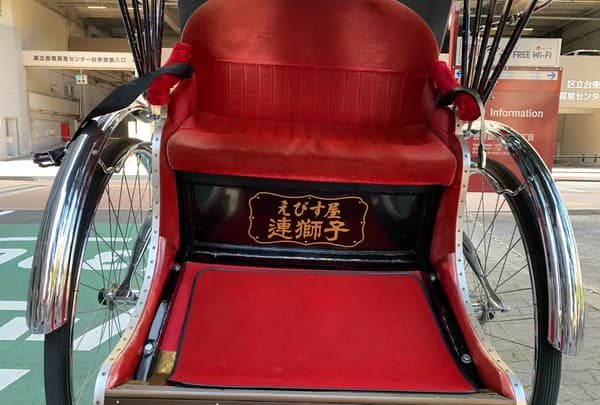
3:00pm Ebisuya Tokyo Asakusa (Ebisuya Tokyo Asakusa)
This time, we made a reservation in advance for a rickshaw ride! While visiting famous places, you will learn about Asakusa's history, trivia, and recommended spots from the rickshaw runner. This is something we would recommend for anyone visiting Asakusa for the first time.
The runners know all the best photo spots and quiet back streets that you might not find on your own. A 30-minute tour starts from around 6,000 yen for one person.
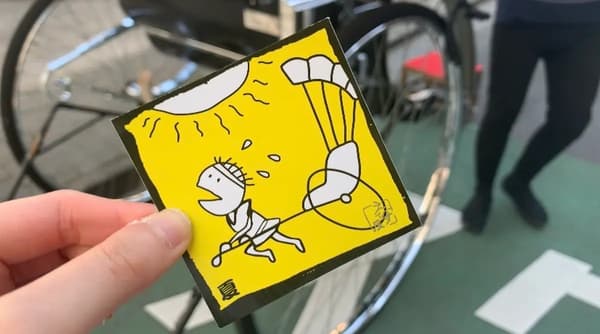
Cute stickers!
After getting off the rickshaw, we received a cute sticker! It seems to have a different pattern for each season.
Ebisuya Tokyo Asakusa is a sightseeing rickshaw company located in Asakusa, Taito-ku, Tokyo. You can take a rickshaw ride and learn about Asakusa's history, trivia, and recommended spots from a guide while touring around the famous landmarks. Tours range from 30 minutes to 2 hours.
3:30pm Nishi Sando Shopping Street (Nishi Sando Shopping Street)
The street is located on the west side of Nakamise-dori and Senso-ji Temple. This covered arcade has a different feel from Nakamise, with a mix of souvenir shops, toy stores, and local businesses. The atmosphere is a bit more relaxed and less crowded.
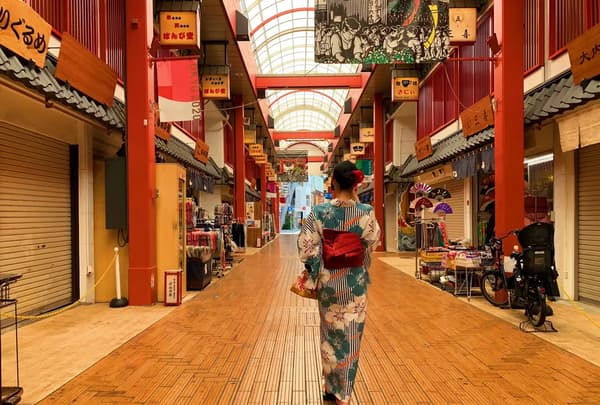
Great for Instagram photos!
There are many photo-worthy spots near the West Approach and Hanayashiki amusement park, which is right next door.
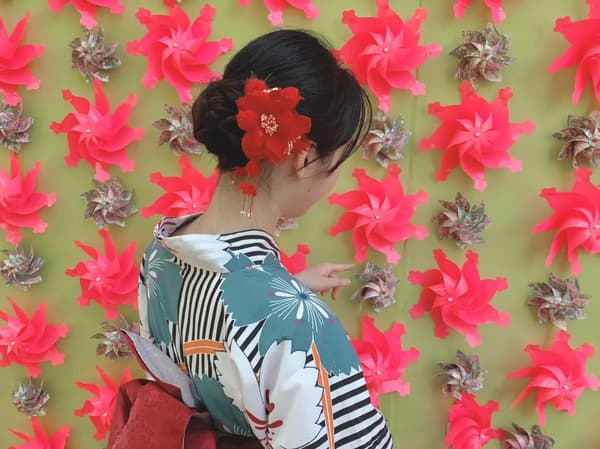
Speaking of Hanayashiki, it is Japan's oldest amusement park, opened in 1853. It is small but has its own charm, with retro rides and a surprisingly fun haunted house. Admission is 1,600 yen for adults (rides cost extra). In 2026, the rooftop area was renewed with a flower garden featuring 87 types of flowers and greenery, so there is even more reason to pop in.
4:30pm Suzukien Asakusa Main Store (Suzukien)
Here you will find matcha gelato with seven levels of intensity, said to be the richest-flavored matcha gelato in Japan! The "No. 7" level is seriously strong; it is a collaboration with Nanaya, a matcha specialty store in Shizuoka Prefecture.
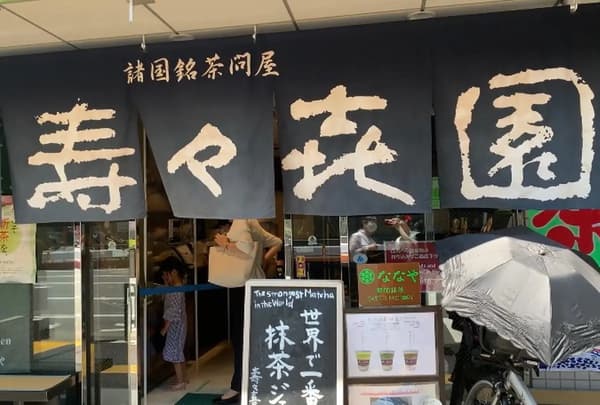
The richest flavored matcha in Japan!
You will definitely want to try this gelato when you come to Asakusa. If you are not a huge matcha fan, levels 1 to 3 are milder and sweet. Levels 5 through 7 are for matcha purists only.
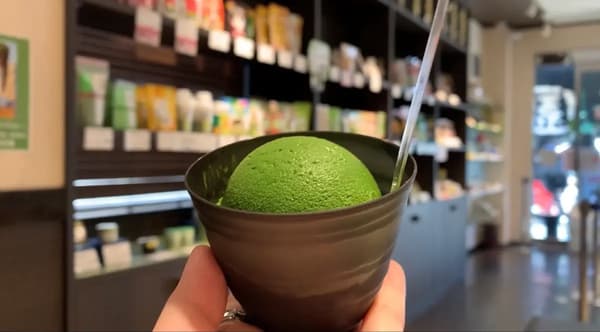
Suzukien Asakusa Main Store, located in Asakusa, Taito-ku, Tokyo, is a tea wholesaler with a history dating back to the Edo period. The store offers seven different levels of matcha richness to choose from. There are eat-in areas with standing or sofa seating. The green tea bean paste dumplings (matcha dango) are also popular. There is a bus stop right in front, making it easy to find.
5:00pm Asakusa Culture Tourist Information Center (Asakusa Bunka Kanko Center)
If you need any help or information during your Asakusa visit, this is the place to go. Free Wi-Fi, power outlets for charging, multilingual information services, and clean restrooms are all available.
This stylish-looking building is located right across the pedestrian crossing from Kaminarimon Gate. The building was designed by architect Kengo Kuma and looks like seven small houses stacked on top of each other.
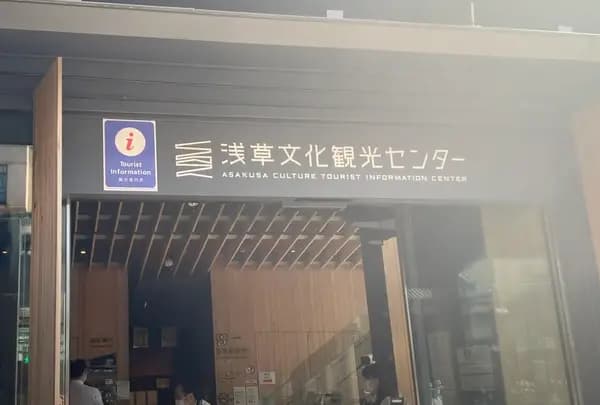
Beautiful view of Asakusa
The top floor (8th floor) of the Asakusa Culture Tourist Information Center is a free observation terrace! You get a wide view of the Skytree, Nakamise-dori, and Sensoji Temple from above. There is also a small cafe attached.
If you go in the evening, the night view of the temple grounds and Skytree lit up is really something.
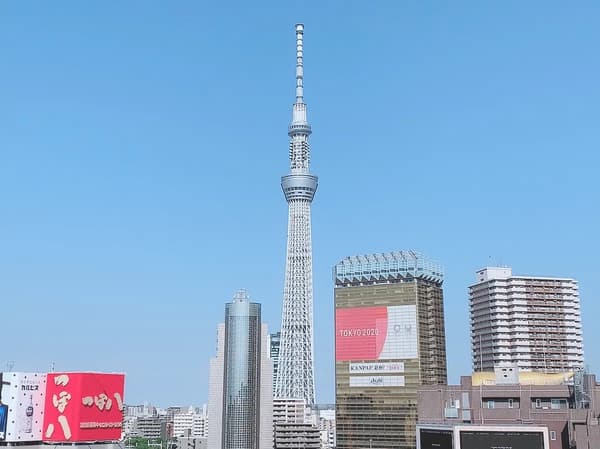
The center is open from 9:00am to 8:00pm daily, with no regular holidays.
Evening in Asakusa: Hoppy Street and Izakaya Hopping
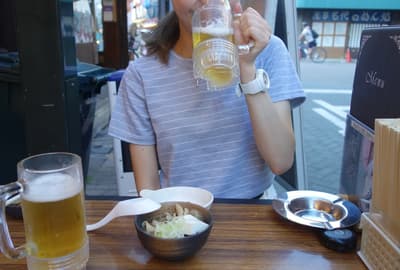
If you still have energy after the daytime itinerary, Asakusa comes alive in a completely different way after dark. Head to Hoppy Street (Hoppy-dori), a narrow alley lined with small izakayas and outdoor seating. Named after the low-malt beer alternative "Hoppy," this strip has a Showa-era retro atmosphere that feels like stepping back in time.
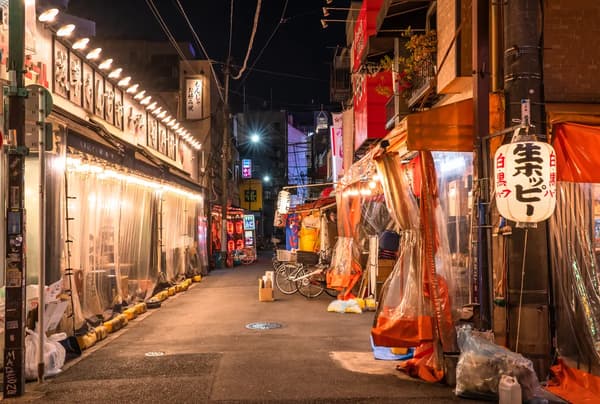
Popular menu items on Hoppy Street include beef tendon stew (gyusuji nikomi), yakitori, and fried pork skewers. Most places have picture menus, and staff are used to serving international visitors. A few drinks and food here will typically run you around 2,000 to 3,000 yen per person.
For a deeper guide to Hoppy Street and the surrounding izakaya scene, see our detailed article:
If you want to explore the bar and izakaya scene beyond just Hoppy Street, covering the Asakusa, Kuramae, and Oshiage areas, we also have a guided bar hopping experience:
More Things to Do Near Asakusa
Already covered the main itinerary and looking for more? Here are a few spots that are within walking distance or a short train ride from Asakusa.
Sumida River Walk and Sumida Park
The Sumida River runs right next to Asakusa, and walking along the riverbank is a great way to relax. In spring (late March to early April), the cherry trees along Sumida Park bloom and create one of Tokyo's best hanami (cherry blossom viewing) spots. You can also take a river cruise from the Asakusa pier to Odaiba or Hama-rikyu Gardens.
Tokyo Skytree
Just one stop from Asakusa on the Tobu Skytree Line, Tokyo Skytree stands 634 meters tall and offers views across the entire Kanto plain on clear days. The shopping complex at the base (Tokyo Solamachi) has over 300 shops and restaurants.
Kuramae
A 15-minute walk south along the Sumida River brings you to Kuramae, a neighborhood that has become popular for its craft coffee shops, leather goods stores, and small galleries. It has a quieter, more local feel compared to Asakusa.
Day Trip from Asakusa
Looking for a full-day itinerary starting from Asakusa Station? We have a day trip plan that includes a stroll through Hoppy Street, a Sumida River cruise, and more:
Exploring with Family
For families visiting Asakusa, we offer a private guided tour that combines the Science Museum, Asakusa sightseeing, and Tokyo Skytree, all in a comfortable private vehicle:
Tips for Visiting Asakusa
- Best time to visit Senso-ji: Early morning (before 9am) or evening (after 5pm) for smaller crowds. The temple grounds are open 24 hours, though the main hall has set hours.
- Cherry blossom season: Late March to early April. Sumida Park along the river is one of the best spots in Tokyo.
- Festivals: Sanja Matsuri (third weekend of May) is one of Tokyo's biggest festivals, with portable shrines carried through the streets. The Sumida River Fireworks Festival in late July is another major event.
- Budget tip: The Asakusa Culture Tourist Information Center observation deck is free, which gives you a similar view to paid observation spots.
- Food tip: If you want to eat while walking, be mindful that some shops ask you to finish your food in front of the shop rather than walk and eat. Look for benches or designated eating areas.