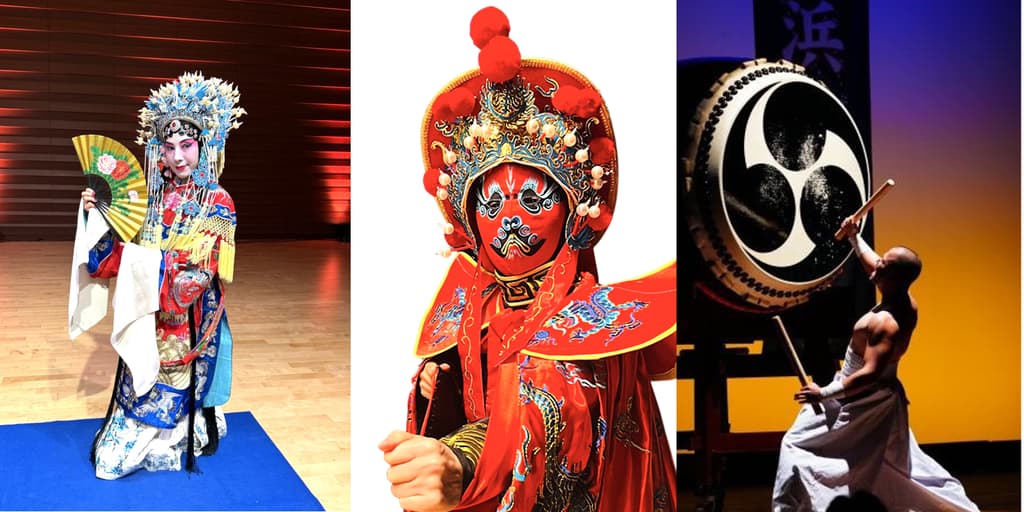
The first independent performance by the China National Acrobatic Troupe, "Rai Rai Rai! 2026," will be held on March 13 (Friday), 2026, at Chofu City Green Hall.
The biggest highlight of this performance is the "collaboration between Chinese and Japanese traditions."
This is a unique performance combining Chinese acrobatics and Peking opera with Japanese Wadaiko, which can only be seen here.
Xu Lingyi, the leader of the China National Acrobatic Troupe, and Watanabe Koshin, the representative of Yokohama Taikoza, shared insights into the highlights of Chinese acrobatics, Peking opera, and Wadaiko.
China National Acrobatic Troupe Leader Xu Lingyi
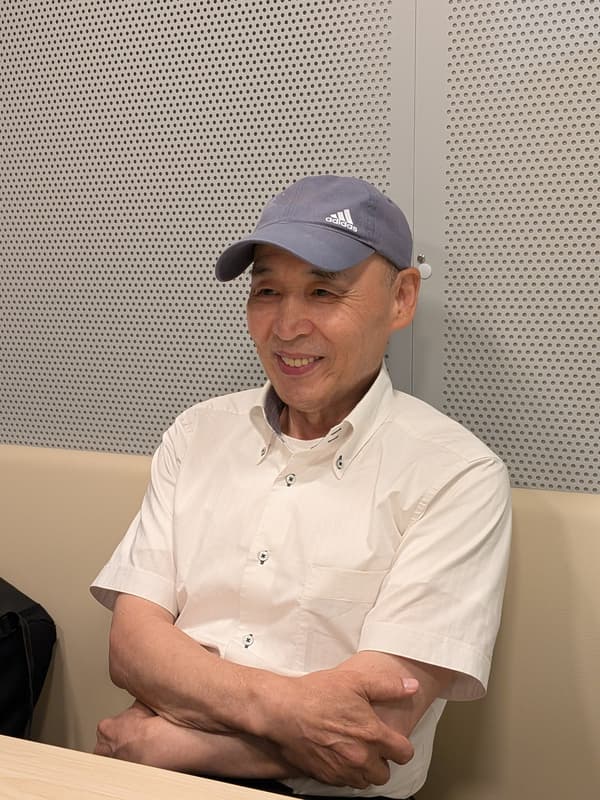
―What aspect of "Rai Rai Rai! 2026" should audiences pay special attention to?
The collaboration with Wadaiko. The rhythm of Wadaiko and Bian lian (face-changing) have excellent compatibility. In previous performances, we used existing music, but this time we plan to compose new music that matches Wadaiko in collaboration with Mr. Watanabe of Yokohama Taikoza.
Beyond the music, we're open to incorporating new elements, while being mindful not to stray too far from tradition.
―Are you preparing anything special, or facing any challenges?
We're extending the Peking opera story to make it a bit longer. This is also the first time we're performing with performers from another school, so I hope we can unite our hearts for the performance. Although the schools are different, each individual is a professional with their own ideas and approaches, so the challenge is not to suppress their individuality and strengths.
Yokohama Taikoza Representative Watanabe Koshin
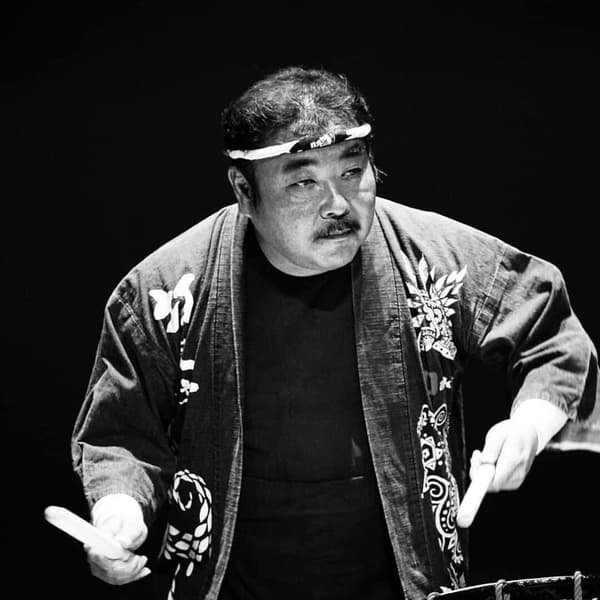
―What did you think about when collaborating with Chinese acrobatics and Peking opera?
First, I've never seen this kind of collaboration before. Acrobatics and Peking opera are visual arts, while Wadaiko focuses on sound. We're thinking about how to bridge that difference and how to fuse Chinese and Japanese cultures.
―What was difficult about the collaboration?
First, the musicality is completely different from Wadaiko, so matching is difficult. For instance, there's a lion dance in the performance, and it's challenging to understand what the lion dance wants to express and create Wadaiko music that matches it.
―After this collaboration, are there aspects you can apply to future Wadaiko activities?
I've always been interested in Chinese acrobatics, and as fellow performing arts, it's very educational. How to captivate the audience is the same goal for Wadaiko, so it's been a great learning experience.
In the past, I've performed with orchestras, but never with acrobatics or Peking opera, so I consider this a rare opportunity.
Large Taiko Performer Eshita Mitsutoshi
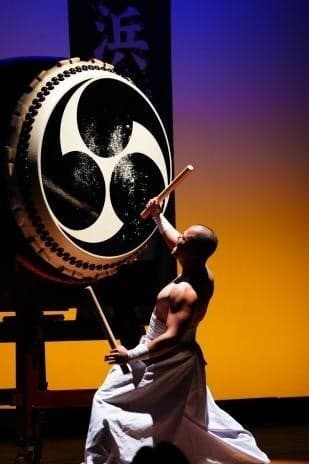
I would like to express my sincere gratitude for this opportunity to perform with the China National Acrobatic Troupe. I am truly thankful for this precious connection.
I am convinced that this stage, where the cultures of both countries resonate together and are created collaboratively, will be something special and wonderful that can only be experienced here.
The collaboration between Chinese lion dance, Bian lian (face-changing), and Wadaiko is a first-time challenge for me as well. When the powerful sound of Wadaiko overlapped with Chinese music and dance, I felt a deeply moving emotion that shook my heart.
I hope you can feel this emotion at the venue on the day of the performance.
We sincerely look forward to your visit.
"Rai Rai Rai! 2026" Performance Details
Date: March 13, 2026 (Friday) 6:30 PM to
Venue: Chofu City Green Hall (Inside Chofu City Cultural Center Tasuku, 2-33-1 Kojima-cho, Chofu City, Tokyo)
"Rai Rai Rai! 2026" Official Website: https://rairairai26.com/
"Rai Rai Rai! 2026" Official Instagram: https://www.instagram.com/rair.airaila/
Purchase Tickets: http://ticket.pia.jp/pia/event.ds?eventCd=2539492