A photo exhibition showcasing the fascinating world of honeybees opens at Fujifilm Square in Tokyo Midtown this summer. "Bees Are So Fun! The Great Power of Small Creatures" runs from August 14 (Fri) to September 10 (Thu), 2026, with free admission.
Exhibition Highlights
- Photographs and explanatory panels selected by Masami Sasaki, Professor Emeritus at Tamagawa University — a researcher with over 50 years of honeybee study — reveal rarely seen aspects of bee ecology from a biologist's perspective.
- As part of a summer holiday research series, lectures covering topics such as "The Structure of a Honeybee's Body" and "The World of Flowers and Bees," along with the "All BEE Thanksgiving Festival" classroom event by the urban beekeeping initiative "TBS Akasaka Mitsubachi Project," bring honeybee science to life for families.
- Visitors can also explore the latest bee research featured in Nikkei Science, a nectar source map of the Tokyo Midtown (Roppongi) area, and seasonal flowers favored by honeybees.
About the Exhibition
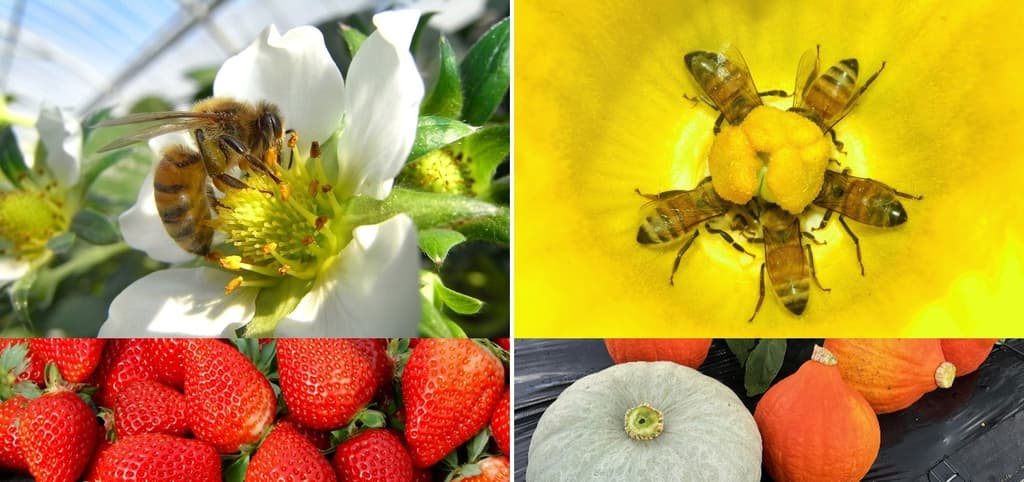
The exhibition takes an accessible, visual approach to honeybee ecology and the environment bees inhabit. Through photographs and panels, visitors can discover how honeybees contribute far beyond honey production — serving as pollinators for many fruits, vegetables, and nuts that support daily life.
The exhibition is supervised by Susumu Takahashi, editor and author of Bees Are So Fun! An Urban Beekeeping Project That Nurtures People and Cities (Nikkei Science, Inc.) — a book chronicling the "TBS Akasaka Mitsubachi Project," an urban beekeeping initiative launched by TBS Holdings in Akasaka in 2011. The exhibition also introduces the biodiversity of the Akasaka area and provides an accessible overview of urban beekeeping today.
During the exhibition period, a range of events for families are scheduled, including a honeybee classroom and lectures.
Exhibition Overview
- Exhibition Name: Fujifilm Square Special Photo Exhibition "Bees Are So Fun! The Great Power of Small Creatures" / [Concurrent Event] Summer Holiday Research Series "Surprising Facts! The World of Honeybees"
- Dates: August 14 (Fri) to September 10 (Thu), 2026 — no closures during the period
- Hours: 10:00 AM to 7:00 PM (last day until 4:00 PM; admission closes 10 minutes before closing)
- Venue: Fujifilm Square — Fujifilm Photo Salon Tokyo, Space 3
- 9-7-3 Akasaka, Minato-ku, Tokyo 107-0052 (Tokyo Midtown West 1F)
- TEL: 03-6271-3351 (reception hours: weekdays 10:00 AM to 6:00 PM)
- URL: https://fujifilmsquare.jp/
- Admission: Free
- Number of Works: Approximately 25 color prints in A3 size and other formats (planned); digital works printed on Fujifilm silver photo paper; plus approximately 5 explanatory panels and 1 video (planned)
- Organized by: Fujifilm Corporation
- Planning Cooperation: TBS Holdings, Inc. / Nikkei Science, Inc.
- Supported by: Japan Beekeeping Industry Promotion Association; Tokyo Beekeeping Association; Akasaka Town Development Representative Council; Roppongi Shopping Street Promotion Association; Minato City Board of Education; Setagaya City Board of Education
- Supervised by: Susumu Takahashi (Biodiversity Communicator)
Concurrent Events (Free Admission)
1. "All BEE Thanksgiving Festival" by TBS Akasaka Mitsubachi Project
An educational quiz event about honeybees and the global environment, themed on a bee-themed version of the famous TV program "All Star Thanksgiving Festival." Participants use smartphones to join a buzzer-style quiz.
- Date: August 14 (Fri), 2:00 PM to 3:00 PM (reception opens at 1:30 PM)
- Instructors: Yutaka Kobayashi (former TBS announcer); Chigusa Tani (beekeeper, TBS Akasaka Mitsubachi Project)
- Capacity: 100 (advance reservation required, first-come basis)
- Reservation: July 2 (Thu) 10:00 AM to August 12 (Wed) 11:59 PM
- Online form: https://fm.fujifilm.jp/form/pub/sen/square2608_3talk
- Phone/in-person: 03-6271-3350 (10:00 AM to 6:00 PM)
2. Lecture "Honeybee Q&A" (for elementary and junior high school students and parents)
An interactive session answering children's questions about honeybees — such as "Are worker bees male or female?", "How long do they live?", and "What do they eat?"
- Date: August 15 (Sat), 10:30 AM to 11:30 AM (reception opens at 10:00 AM)
- Instructor: Susumu Takahashi (Biodiversity Communicator)
- Capacity: 150 (advance reservation required, first-come basis)
- Reservation: July 2 (Thu) 10:00 AM to August 12 (Wed) 11:59 PM
- Online form: https://fm.fujifilm.jp/form/pub/sen/square2608_4talk
3. Lectures "The World of Flowers and Bees" and "The Structure of a Honeybee's Body" (for adults)
Two separate lectures exploring the deep relationship between bees and flowering plants, and the remarkable mechanisms of the worker bee's tiny body.
- Date: August 15 (Sat)
- Lecture 1 "The World of Flowers and Bees": 1:30 PM to 2:30 PM (reception opens at 1:00 PM)
- Lecture 2 "The Structure of a Honeybee's Body": 2:45 PM to 3:45 PM
- Instructor: Masami Sasaki (Professor Emeritus, Tamagawa University)
- Capacity: 150 (advance reservation required, first-come basis)
- Reservation: July 2 (Thu) 10:00 AM to August 12 (Wed) 11:59 PM
- Online form: https://fm.fujifilm.jp/form/pub/sen/square2608_5talk
4. "New Experience! Honeybees Under the Microscope" (for bee enthusiasts)
The internal and external structures of honeybees and the workings of flowers are magnified onto a large screen using a digital microscope for close-up exploration.
- Date: August 16 (Sun), 2:30 PM to 4:00 PM (reception opens at 2:00 PM)
- Instructor: Masami Sasaki (Professor Emeritus, Tamagawa University)
- Capacity: 150 (advance reservation required, first-come basis)
- Reservation: July 2 (Thu) 10:00 AM to August 12 (Thu) 11:59 PM
- Online form: https://fm.fujifilm.jp/form/pub/sen/square2608_6talk
5. "Walking in Tokyo Midtown (Roppongi) to Find Flowers Honeybees Love"
Honeybees kept by TBS also visit flowers around Akasaka to collect nectar. Join a walk to discover which nectar source plants grow in the neighborhood.
- Date: August 15 (Sat) and August 16 (Sun), 5:00 PM (approximately 30 minutes each day)
- Instructor: Masami Sasaki (Professor Emeritus, Tamagawa University)
- Reservation: Not required; no capacity limit
- Cancelled in case of rain; replaced by a gallery talk
6. Gallery Talks
Talks featuring beekeeper Kazuko Takahashi's "Honeybee Classroom with an Observation Hive" and "Solve the Mystery! The Waggle Dance," as well as an introduction to "Flowers That Insects Love" by Taro Maeda and Shigeki Kishi from the National Agriculture and Food Research Organization (NARO).
- Dates:
- Beekeeper Kazuko Takahashi: August 19 (Wed), August 26 (Wed)
- NARO's Taro Maeda & Shigeki Kishi: August 23 (Sun), August 30 (Sun)
- Time: 1:00 PM each session (approximately 30 minutes)
- Reservation: Not required; no capacity limit (standing room in the exhibition area)
7. "Bee Plaza" Open Space
On August 14 (Fri), 15 (Sat), and 16 (Sun), the 2nd floor event area features a freely browsable space displaying the latest honeybee research materials and books. A hive where bees raise young and store honey and pollen, as well as beekeeping suits, will also be on display.
- Hours: 10:00 AM to 7:00 PM (admission closes 10 minutes before closing)
Visitor Gift
During the exhibition period, visitors who complete a survey at the venue receive an exclusive trading card from the exhibition. (One card per person; designs cannot be chosen; available while supplies last.)
Sample Exhibits
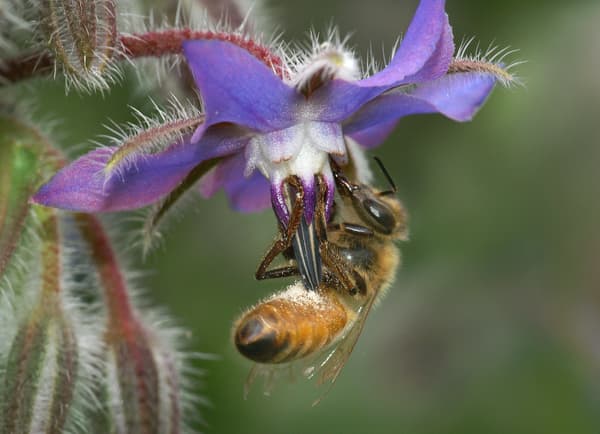
Collecting nectar from borage — ©Masami Sasaki
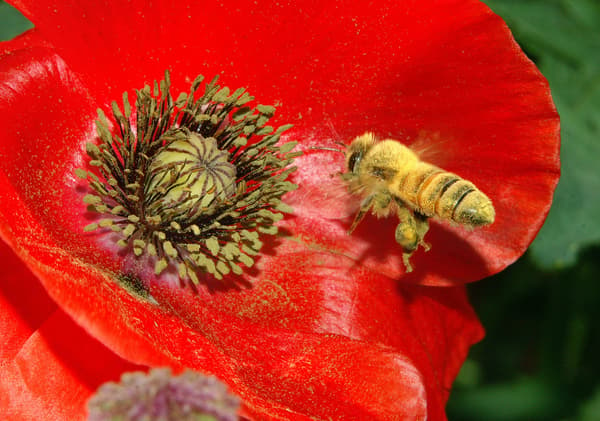
Collecting pollen from a poppy — ©Masami Sasaki
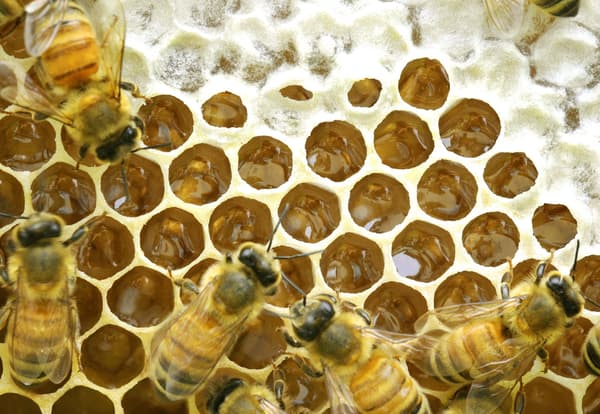
Collected nectar is ripened and concentrated, then sealed with wax — ©Masami Sasaki
About the Photographer
Masami Sasaki — Professor Emeritus, Tamagawa University
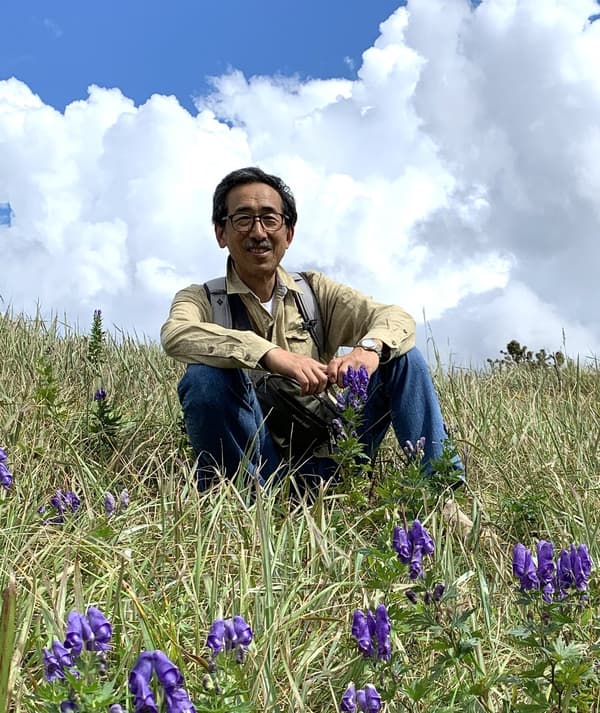
Sasaki's encounter with honeybees began with his undergraduate thesis on queen bee differentiation at Tamagawa University's Faculty of Agriculture. After graduate studies in parasitic plant specificity at Tokyo University of Agriculture and Technology and in biological clocks at the University of Tokyo, he returned to Tamagawa University to conduct research centered on honeybee social mechanisms. Following roles including dean of the Faculty of Agriculture, dean of the Graduate School of Agriculture, and director of the Research Institute, he retired and became Professor Emeritus. He is also Representative Director of the Japan Beekeeping Industry Promotion Association. His publications include The Science of Beekeeping, The Japanese Honeybee, and The World of Flowers as Seen by Bees.