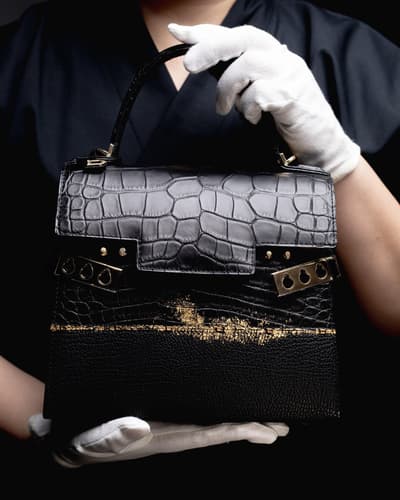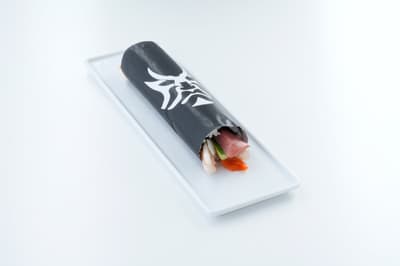
Ginza is Tokyo's most polished neighborhood. The streets are wide, the buildings are sleek, and there is a sense of order here that you do not get in places like Shibuya or Shinjuku. But Ginza is more than high-end boutiques. There are free contemporary art spaces tucked inside luxury brand buildings, coffee shops that have been roasting beans since the 1940s, a kabuki theater with English subtitles, and a lively outdoor market just a 10-minute walk away.
Ginza sits in the center of Tokyo, bordered by Yurakucho to the west, Tsukiji to the east, and Shinbashi to the south. Three subway lines converge at Ginza Station (Ginza Line, Marunouchi Line, and Hibiya Line), and JR Yurakucho Station is a 5-minute walk from the main shopping strip. Getting here from most parts of Tokyo takes under 30 minutes.
Here are 18 things worth doing in Ginza, from classic landmarks to spots that most guidebooks skip.
Landmarks and Sightseeing
1. Walk Chuo Dori During the Weekend Pedestrian Paradise
Chuo Dori is Ginza's main avenue, running north to south through the heart of the district. On weekdays, it is a regular road lined with department stores and brand shops. But every Saturday, Sunday, and national holiday, the street closes to cars and becomes a pedestrian zone from noon to 6:00 p.m. (until 5:00 p.m. from October through March).
During pedestrian hours, temporary benches and parasols appear on the road surface. Families sit in the middle of what was, hours earlier, a four-lane road. It is a surprisingly relaxed scene in one of Tokyo's most expensive neighborhoods. If the weather is good, this is the single best way to start a Ginza visit.
Access: Walk from Ginza Station Exit A4 and you are on Chuo Dori immediately.
2. See the Wako Clock Tower at the Ginza 4-Chome Crossing
The Wako building (now called SEIKO HOUSE GINZA) has stood at the Ginza 4-chome intersection since 1932. Designed by architect Jin Watanabe in a neo-Renaissance style with a curved granite facade, it is one of the few structures in central Tokyo that survived World War II. The clock tower on top plays Westminster Chimes, and you can hear them from the street if you happen to be nearby on the hour.
The ground floor houses Wako's own retail shop, which sells jewelry, watches, tableware, and confectionery. It is not a place for bargain shopping, but it is worth stepping inside to look at the craftsmanship on display. The building itself is the real attraction here.
Address: 4-5-11 Ginza, Chuo City
3. Visit Kabukiza Theater
Kabukiza has been the center of kabuki performance in Japan since the original theater opened in 1889. The current building, rebuilt in 2013, combines a traditional facade with a modern office tower behind it. Even if you do not plan to watch a show, the exterior alone is worth seeing.
If you do want to catch a performance, single-act tickets let you watch one act without committing to a full program. These tickets are sold on the day of the performance and typically cost between 1,000 and 2,500 yen depending on the act and seating level. English-language subtitle tablets are available for rent at around 1,000 yen, so language is not a barrier.
On the fifth floor (accessible by elevator without a theater ticket), there is a rooftop garden and a small gallery covering kabuki history. You can also browse the souvenir shops on the basement level, which sell kabuki-themed goods like hand towels, postcards, and traditional sweets.
Address: 4-12-15 Ginza, Chuo City
Access: Directly connected to Higashi-Ginza Station (Toei Asakusa Line and Tokyo Metro Hibiya Line)
Shopping
4. Explore GINZA SIX
GINZA SIX opened in 2017 on the site of the former Matsuzakaya department store and is now the largest commercial complex in the Ginza area. The building has 13 floors, two of them underground, and houses over 200 shops and restaurants.
Beyond the fashion and cosmetics floors, head to the basement levels for the food hall and Kanze Noh Theater, a traditional noh performance space that has been part of the complex since opening. The sixth floor has a Tsutaya Books store that specializes in art and design publications. On the rooftop, there is a garden with trees and seating, and it is open to the public for free. The garden offers a view over Ginza's rooftops and is one of the few outdoor spaces in the district.
Hours: Shops 10:30 a.m. to 8:30 p.m., Restaurants 11:00 a.m. to 11:00 p.m.
Address: 6-10-1 Ginza, Chuo City
Access: 2-minute walk from Ginza Station Exit A3
5. Browse Ginza Mitsukoshi
Ginza Mitsukoshi is one of Japan's oldest department stores, and the Ginza branch carries a particular sense of heritage. The basement food floor (depachika) is a destination in itself, with counters selling wagashi, chocolates, bento boxes, and prepared meals from well-known Tokyo restaurants. If you are looking for edible souvenirs, this is one of the best places in the city.
The upper floors carry Japanese and international fashion brands, cosmetics, and home goods. The store also frequently hosts art exhibitions and pop-up events.
Hours: 10:00 a.m. to 8:00 p.m.
Address: 4-6-16 Ginza, Chuo City
Access: Directly connected to Ginza Station Exit A7
6. Shop at Tokyu Plaza Ginza and Visit the Kiriko Terrace
Tokyu Plaza Ginza has two features that set it apart from other Ginza malls. The sixth-floor Kiriko Lounge is a free rest area with floor-to-ceiling windows inspired by Edo Kiriko, a traditional Tokyo glass-cutting technique. From the lounge, you look straight down at the Sukiyabashi Crossing.
The rooftop Kiriko Terrace on the eleventh floor has two areas: a green side with plants and benches, and a water side with a reflective pool. At about 56 meters above ground, the terrace gives you a view over the Ginza and Hibiya area. Both the lounge and the terrace are free and open to anyone.
The lower floors focus on fashion and lifestyle brands, and the Lotte Duty Free shop caters to international visitors.
Hours: 11:00 a.m. to 9:00 p.m.
Address: 5-2-1 Ginza, Chuo City
Access: 1-minute walk from Ginza Station Exit C2
7. Check Out the UNIQLO Ginza Flagship
The UNIQLO Ginza flagship is the brand's largest store worldwide, spread across 12 floors. Beyond the standard clothing lines, this location carries limited-edition collaborations and Ginza-exclusive items that do not appear in other branches. The store also runs seasonal installations and displays inside.
For visitors looking for affordable, well-made Japanese clothing to bring home, this is a practical stop. Basics like Heattech and AIRism are especially popular as gifts. Tax-free shopping is available.
Address: 6-9-5 Ginza, Chuo City
Hours: 11:00 a.m. to 9:00 p.m.
8. Walk Through Matsuya Ginza
Matsuya Ginza celebrated its 100th anniversary in 2025 and regularly hosts exhibitions featuring Japanese crafts and artwork. The department store's character is a little more understated than Mitsukoshi, and it tends to attract visitors who are interested in traditional craftsmanship and design. The seventh floor event space is where most exhibitions take place.
Like Mitsukoshi, the basement food floor is excellent and slightly less crowded.
Address: 3-6-1 Ginza, Chuo City
Access: Directly connected to Ginza Station Exit A12
Free Art Galleries
Ginza has an unusual concentration of free contemporary art galleries, several of them housed inside the buildings of luxury brands. You can visit all three of the spaces below in a single afternoon on foot.
9. Shiseido Gallery
Open since 1919, Shiseido Gallery is said to be the oldest gallery in Japan. The space sits in the basement of the Shiseido Building and has five-meter ceilings, making it one of the larger gallery spaces in Ginza as well. Exhibitions rotate every few months and lean toward contemporary art, photography, and installations.
Hours: 11:00 a.m. to 7:00 p.m. (Tuesday to Saturday), 11:00 a.m. to 6:00 p.m. (Sundays and holidays). Closed Mondays.
Address: 8-8-3 Ginza, Chuo City (Tokyo Ginza Shiseido Building, B1F)
Admission: Free
10. Ginza Maison Hermes Le Forum
The Hermes building in Ginza was designed by architect Renzo Piano and completed in 2001. The entire 15-story facade is made of glass blocks, which give the interior a soft, diffused light. On the eighth floor, Le Forum is the brand's art space, organized by the Fondation d'entreprise Hermes. The exhibitions tend to feature emerging and mid-career artists working across installation, sculpture, and video.
It is one of those rare cases where the architecture alone is worth the visit, and the art on display is a bonus.
Hours: 11:00 a.m. to 8:00 p.m. daily
Address: 5-4-1 Ginza, Chuo City (8F)
Admission: Free
11. Pola Museum Annex
Run by the same company behind the Pola Museum of Art in Hakone, this gallery opened in 2009 on the third floor of the Pola Ginza Building. The space is compact but well-curated, with rotating exhibitions that cover both contemporary and traditional art. It is a calm, uncrowded spot that takes about 20 to 30 minutes to walk through.
Hours: 11:00 a.m. to 8:00 p.m. daily
Address: 1-7-7 Ginza, Chuo City (Pola Ginza Building, 3F)
Admission: Free
Food and Drink
12. Try High-End Sushi in Ginza
Ginza is widely considered the top neighborhood in Tokyo for Edomae-style sushi. Restaurants like Sukiyabashi Jiro made international headlines, but there are dozens of high-quality sushi counters in the area, many of them more accessible than you might expect. Lunch omakase courses at mid-range Ginza sushi restaurants start at around 5,000 to 10,000 yen, which is a fraction of the dinner price at the same places.
If you want a hands-on experience, Ginza Onodera Sushi Academy offers a private sushi-making class where you learn to prepare your own nigiri under the guidance of a professional sushi chef. It is a good option for visitors who want to go beyond just eating.
13. Have Coffee at Cafe de l'Ambre
Cafe de l'Ambre opened in 1948 and has barely changed since. The interior has leather bar stools, a polished wood counter, and glass jars filled with aged beans lining the shelves. The shop specializes in single-origin beans, with close to 30 varieties on the menu, including aged Colombian and Cuban beans from the 1970s. All coffee is prepared using the nel drip method (a cloth filter pour-over technique).
The sign outside reads "Coffee Only," and they mean it. There is no food, no pastries, no wi-fi. Just coffee. A single cup costs between 700 and 1,500 yen depending on the bean.
Address: 8-10-15 Ginza, Chuo City
Hours: 12:00 p.m. to 9:00 p.m. (weekdays), 12:00 p.m. to 7:00 p.m. (weekends and holidays). Closed Wednesdays.
14. Eat Your Way Through the Depachika
Department store basement food halls (depachika) are one of the best eating experiences in Tokyo, and Ginza has several excellent ones. Ginza Mitsukoshi, Matsuya Ginza, and the GINZA SIX basement all have large food floors with counters selling prepared meals, sweets, and specialty ingredients.
If you are on a budget, many counters offer small portions or single items. You can put together a full meal from different vendors for under 2,000 yen. Arrive before noon or after 6:00 p.m. on weekdays to avoid the heaviest crowds.
15. Join a Food Tour in the Ginza and Shinbashi Area
If you want a guided introduction to the local food scene, there are walking food tours that cover Ginza and the neighboring Shinbashi area. These tours typically include stops at local izakaya, yakitori stands, and small restaurants that can be hard to find on your own. A guide who speaks your language handles all the ordering and explains the food culture along the way.
Day Trip to Tsukiji
16. Walk to Tsukiji Outer Market
Tsukiji Outer Market is roughly an 11-minute walk east of Ginza Station, making it an easy add-on to any Ginza itinerary. The market has over 400 shops and food stalls selling fresh seafood, tamagoyaki (rolled omelet), grilled shellfish, and Japanese knives.
The best time to go is between 8:00 a.m. and noon, when the stalls are busiest and the seafood is freshest. Most vendors close by 2:00 p.m. One important rule: eating while walking is not allowed. Buy your food and eat it at the standing counter or designated area in front of the shop.
Access: 11-minute walk from Ginza Station, or 1-minute walk from Tsukiji Station (Tokyo Metro Hibiya Line)
Ginza After Dark
17. Go Bar Hopping Along Corridor Street
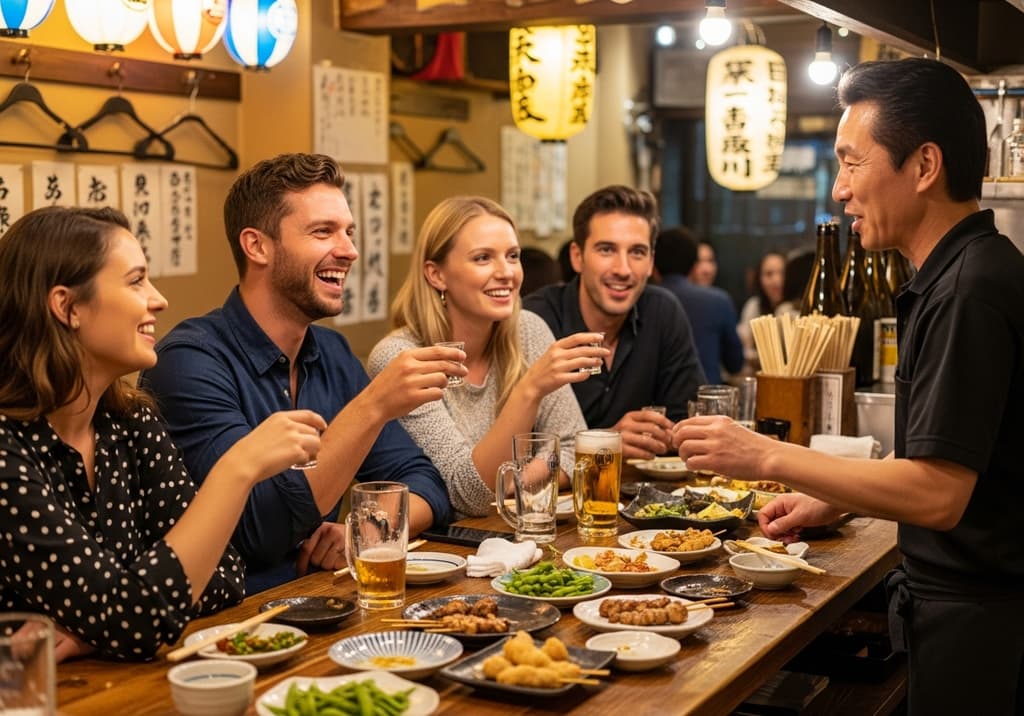
Corridor Street (Koridoru-gai) runs parallel to the JR tracks between Shinbashi and Yurakucho stations. The roughly 700-meter stretch is packed with restaurants, whiskey bars, izakaya, and standing bars (tachinomi). The crowd skews toward office workers on weekdays, but the area has become popular with a broader audience in recent years, especially on Friday and Saturday nights.
Standing bars under the tracks near Yurakucho are good entry points. Drinks start at around 500 yen, and many places have picture menus or English-speaking staff. The atmosphere is lively without being overwhelming.
For a guided experience that takes you to multiple bars in the area, consider a bar-hopping tour:
18. Have a Drink at a Ginza Hotel Bar
Ginza has a concentration of upscale hotel bars that are open to non-guests. These are not casual spots, but they are worth it for a special occasion or a quiet end to the evening. Most hotel bars in Ginza do not require reservations on weeknights, though weekends can get busy.
Expect cocktails in the 2,000 to 3,000 yen range. Dress code is smart casual at most places. If you are coming from a day of sightseeing, a collar and clean shoes will get you in.
Practical Tips for Visiting Ginza
Best time to visit: Weekend afternoons for the Chuo Dori pedestrian paradise. Weekday mornings if you want fewer crowds at the galleries and shops.
How long to spend: Half a day is enough to cover the main landmarks and a gallery or two. A full day lets you add Tsukiji, the depachika, and evening drinks.
Getting there: Ginza Station is served by the Ginza Line, Marunouchi Line, and Hibiya Line. JR Yurakucho Station is a 5-minute walk west. Higashi-Ginza Station (Asakusa Line, Hibiya Line) is useful if you are headed to Kabukiza.
Budget tips: The art galleries are all free. Chuo Dori's pedestrian paradise costs nothing. Depachika food halls offer excellent quality at reasonable prices. You do not need to spend a lot to have a good day in Ginza.
Tax-free shopping: Most department stores and large retailers in Ginza offer tax-free shopping for purchases over 5,000 yen. Bring your passport.
Accessibility: Ginza's streets are flat and wide, with curb cuts at intersections. Most department stores and commercial buildings have elevators. Ginza Station has elevator access from the street.
Please note that hours, prices, and availability mentioned in this article are subject to change. We recommend checking official websites before your visit for the latest information.