With the future opening of the Linear Chuo Shinkansen's Gifu Prefecture station in mind, the Higashi-Mino Historical Road Council has been promoting tourism initiatives that draw on the sightseeing resources of the Higashi-Mino region of Gifu Prefecture. As part of that effort, working together with JR East Cross Station Co., Ltd., a pop-up shop called "Nakatsugawa Kurikinton LOVER" — the 14th installment of the company's regional revitalization project "Ji no Mono LOVER" — opens for three days from Friday, September 25 to Sunday, September 27, 2026, at GRANSTA YAESU, on the basement first floor outside the ticket gates of JR Tokyo Station. Eleven famous shops behind "Nakatsugawa Kurikinton," a traditional autumn confection that originated in Nakatsugawa City, Gifu Prefecture, gather together to bring a taste of Gifu's autumn to the greater Tokyo area.
Event Overview
- Dates: September 25 (Friday) to 27 (Sunday), 2026, 3 days
- Venue: GRANSTA YAESU, basement 1st floor outside the ticket gates of JR Tokyo Station (in front of GODIVA café Tokyo)
- Access: Immediately outside the Yaesu Underground Central Gate at JR Tokyo Station
- Hours:
- Friday, September 25: 2:00 PM–8:00 PM
- Saturday, September 26: 12:00 PM–6:00 PM
- Sunday, September 27: 12:00 PM–6:00 PM
- Organizers: JR East Cross Station Development Company, Higashi-Mino Historical Road Council, Nakatsugawa City
- Cooperation: Nakatsugawa Tourism Association
Nakatsugawa, Gifu: The Birthplace of Kurikinton
Nakatsugawa City lies in a mountainous area that has long valued the blessings of nature, and the chestnuts harvested there have traditionally been enjoyed at home in many forms, including chestnut rice, roasted chestnuts, and boiled chestnuts. Once sugar became widely available, people began mashing steamed chestnuts, mixing in sugar, and shaping the mixture by squeezing it in a tea cloth — a method considered the origin of kurikinton.
In the late Edo period, Nakatsugawa flourished as a post town along the Nakasendo highway, and alongside the culture of tea ceremony, confectioners honed their craft in pursuit of wagashi that paired well with tea. Building on that tradition, confectionery shops commercialized the kurikinton known today around the mid-Meiji period, and it has been passed down to this day.
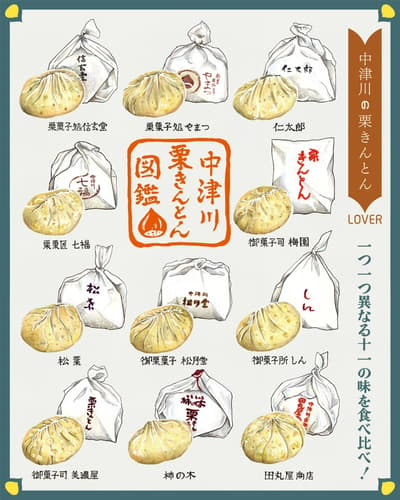
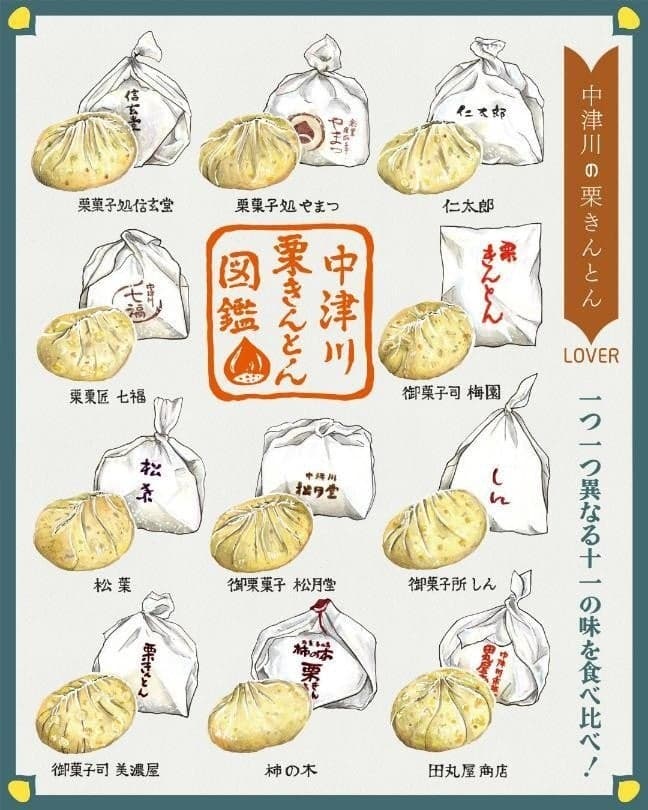
1. Eleven Famous Shops Together: Try "Nakatsugawa Kurikinton" One Piece at a Time
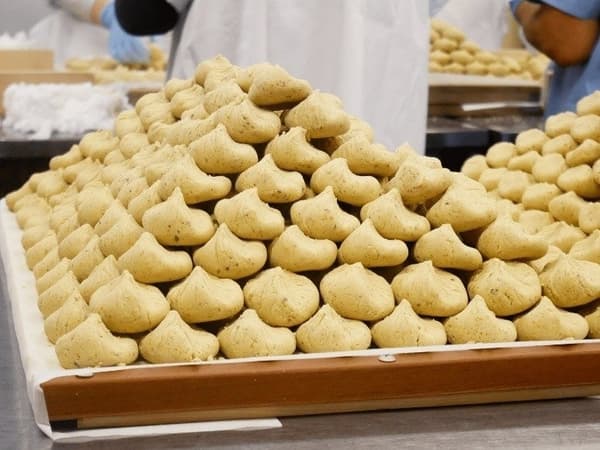
Made from nothing more than domestic new-crop chestnuts and sugar, "Nakatsugawa Kurikinton" nonetheless varies from shop to shop in sweetness, smoothness, texture, and cooking method. Visitors can buy the flavors of 11 shops representing Nakatsugawa — normally available only by traveling there — at Tokyo Station. (¥324 each, tax included)
Kurikashidokoro Shingendo
Made with nothing but carefully selected domestic chestnuts and sugar, this shop brings out the simple, natural flavor of chestnut, finishing each piece by hand with old-fashioned care and heart.
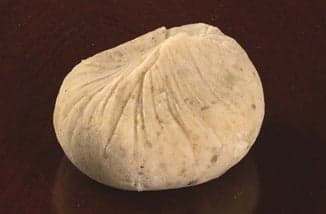
Kurikashidokoro Yamatsu
A moist, smooth kurikinton that concentrates the full richness of chestnut. Made with domestic chestnuts and finished through careful handwork.
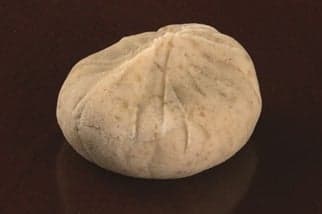
Nitaro
Made with carefully selected chestnuts, including those grown locally in Nakatsugawa. The shop takes pride in every detail of quality, freshness, and method.
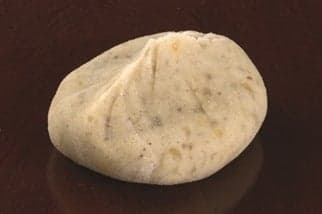
Kurikasho Shichifuku
Made with chestnuts from the shop's own orchard along with carefully selected domestic chestnuts, finished with a refreshing taste that preserves the chestnut's natural flavor and grainy texture.
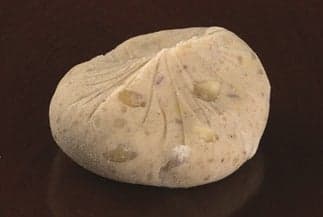
Okashitsukasa Umezono
Moist and smooth, yet with the standout texture of large chestnut pieces — an autumn flavor born from Nakatsugawa's rich natural surroundings.
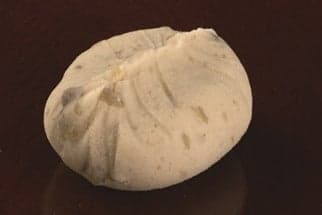
Matsuba
A smooth texture and gentle sweetness spread across the palate, offering a simple yet satisfying chestnut flavor.
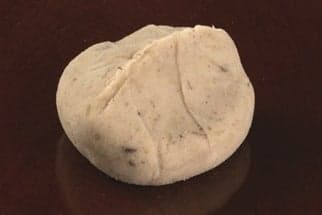
Okurigashi Shogetsudo
Made with domestic chestnuts using only chestnut and sugar as ingredients, cooked with a traditional method that creates a slight scorch, then carefully finished by hand in the twisted "chakin-shibori" shape.
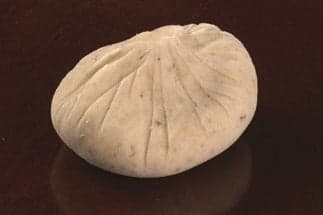
Okashidokoro Shin
A kurikinton made by blending Kyushu chestnuts with Nakatsugawa chestnuts, kept lightly sweetened to let the chestnut's natural flavor shine through.
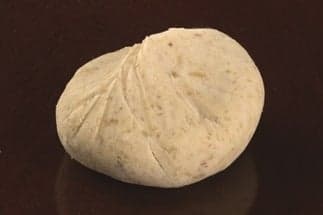
Okashitsukasa Minoya
The chestnut flesh is carefully removed using a bamboo spatula, and the cooking method is fine-tuned to draw out a clean, pure flavor.
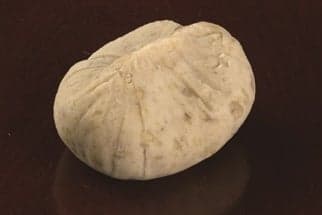
Kakinoki
Committed to traditional techniques in pursuit of the chestnut's true flavor, with sweetness kept in check to bring out that flavor while preserving the texture of the chestnut pieces.
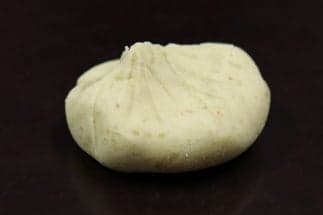
Tamaruya Shoten
True to time-honored methods, artisans carefully wrap each piece by hand, resulting in a simple flavor with a bit of chestnut texture remaining.
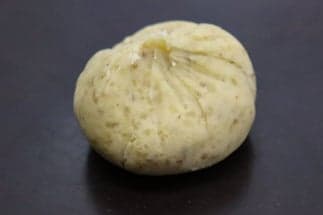
2. Limited Collaboration: Full-Set Bundle With a New Illustrated "Nakatsugawa Kurikinton Guide" Tote Bag
The popular "11-Shop Tasting Full Set" (¥5,000, tax included), a fan favorite every year, returns again this year. This year's set comes with a special tote bag featuring "Nakatsugawa Kurikinton Zukan" (Illustrated Guide), a new illustration in food artist Izumi Kamoshida's signature "chimachimachima-e" style, drawn especially for this event.
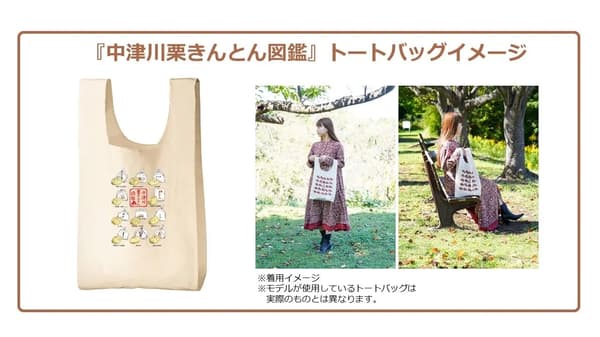
Advance reservation period: September 3 (Thursday), 2:00 PM – September 24 (Thursday), 5:00 PM
Reservation method: JRE MALL Order (advance reservations are given priority for pickup at the venue)
*Because priority is given to customers who reserve in advance through JRE MALL Order, in-store sales may not always be available. Even when in-store sales are offered, available quantities vary by day and cannot be held. Advance-reservation items cannot be shipped; pickup is available at the venue only.
3. Tradition Meets Innovation: About 20 Kinds of Sweets Featuring Kurikinton
To further expand the appeal of traditional kurikinton, the lineup of arranged sweets — blending Japanese and Western styles, tradition and modernity — has been significantly expanded this year.
Example products:
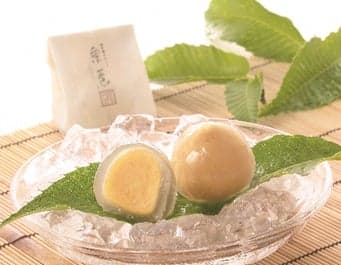
Kuritsutsumi
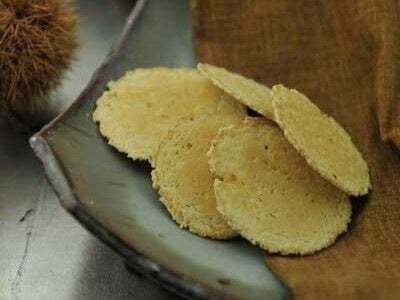
Kurisennen
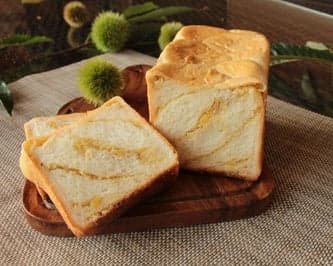
Kurikinton Nama Shokupan

Kurikinton Dorayaki
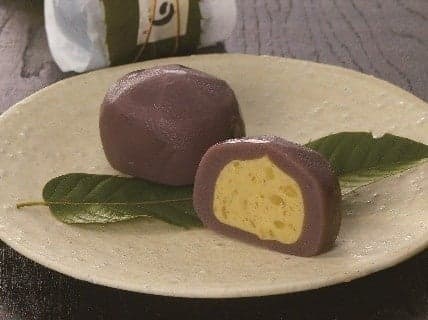
Fukuguri

Kurikinton Purin
4. Tied to Tourism Promotion: Original Zine and a Higashi-Mino Tourism Booth
Using kurikinton as a starting point, the event also shares the deeper appeal of tourism in the Higashi-Mino region of Gifu Prefecture.
Original Zine "Kurimeguri Techo" Handed Out
Featuring illustrations by Izumi Kamoshida, the zine introduces the shops and makers behind Nakatsugawa Kurikinton, along with a "Higashi-Mino One-Day Trip to Meet Your Favorites" map curated by the event's organizers.
Tourism PR Booth
The booth displays Mino ware, a traditional craft with more than 1,300 years of history that is a specialty of the Higashi-Mino region, distributes tourism pamphlets, and presents panel displays introducing recommended spots across the region's six cities and one town.
About the Higashi-Mino Historical Road Council
With the Linear Chuo Shinkansen's opening in mind, the Higashi-Mino Historical Road Council was established in July 2017. It positions the north–south sightseeing route (the Higashi-Mino Furusato Kaido) and the east–west sightseeing route (the Inishie Kaido) together as the "Higashi-Mino Historical Road," bringing together tourism associations, cities and towns, and the prefecture along the Linear route to work jointly on tourism promotion, with the aim of creating attractive tourist destinations and expanding visitor exchange.
Composition: The seven cities and towns of Higashi-Mino (Tajimi, Nakatsugawa, Mizunami, Ena, Toki, Kani, and Mitake), the tourism associations above, and Gifu Prefecture.
About "Ji no Mono LOVER"
"Ji no Mono LOVER" is a regional revitalization project by JR-CROSS, the operator of Ecute and GranSta, which sets a focused theme combining a "region" with a "thing" (local ingredients or products), and explores that appeal in depth through "POP UP SELECT SHOP" pop-up stores, sending it out from the station.