Kashiwa-mochi is an essential treat for Children's Day (Tango no Sekku). Among the many varieties found across Japan, there is one that stands out for its rarity: kashiwa-mochi made using "morokoshi flour." Okamedo, a wagashi shop with more than 70 years of history rooted in Toyohashi, Aichi Prefecture, will be selling five types of kashiwa-mochi at its directly operated stores in the Higashi-Mikawa region from April 15 to May 7.
The Family Wish Wrapped in a Kashiwa Leaf
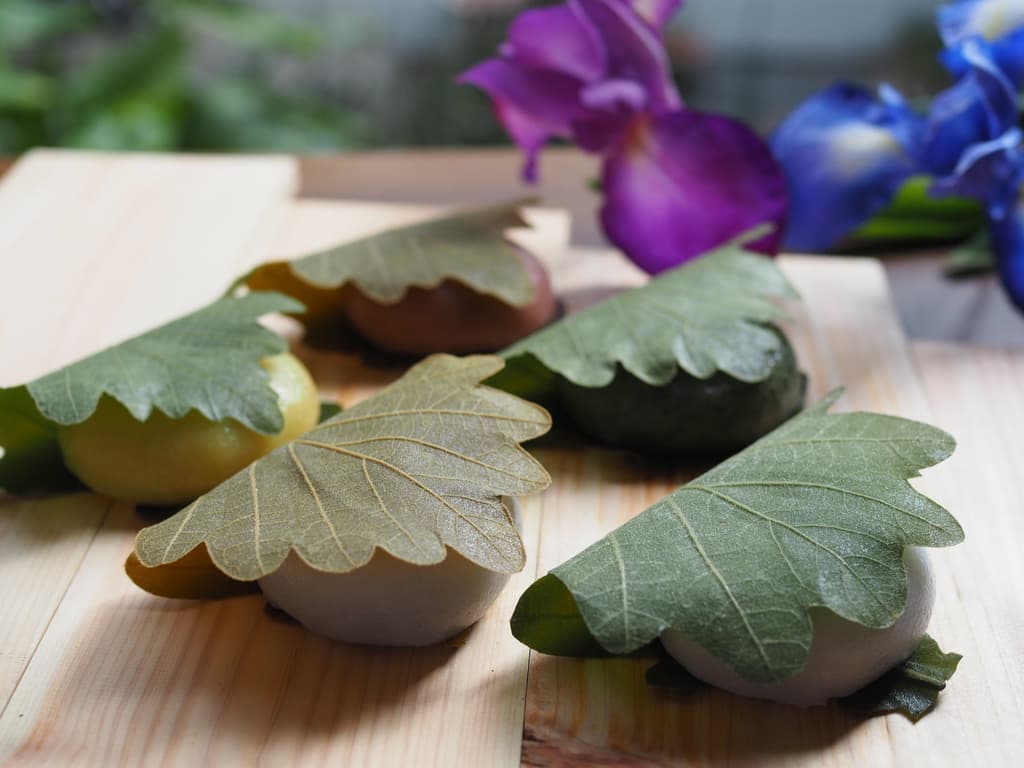
The oak (kashiwa) leaf holds special meaning — it does not fall until new buds emerge, making it a symbol of prosperous descendants. For this reason, kashiwa-mochi became a celebratory confection eaten during Children's Day and spread throughout Japan.
At Okamedo, each kashiwa leaf is hand-rolled fresh every morning, bringing the aroma of early summer to every piece. The shop upholds the spirit of traditional seasonal confectionery.
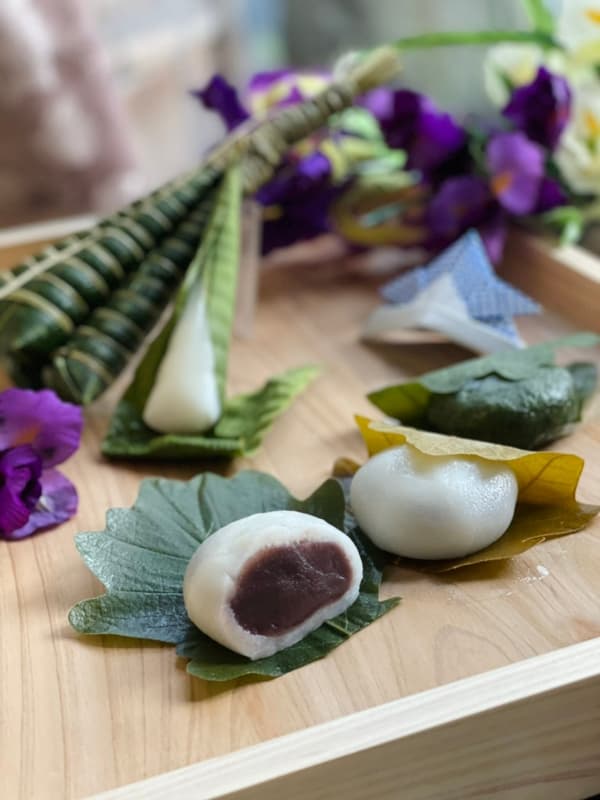
The Rarely Seen "Morokoshi Kashiwa-Mochi"
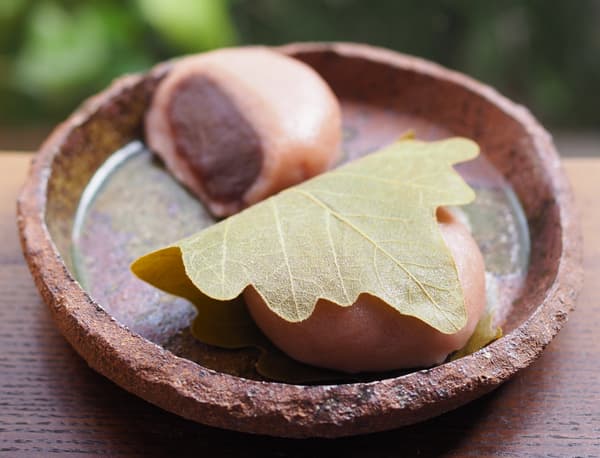
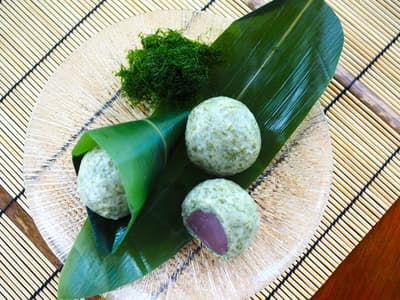
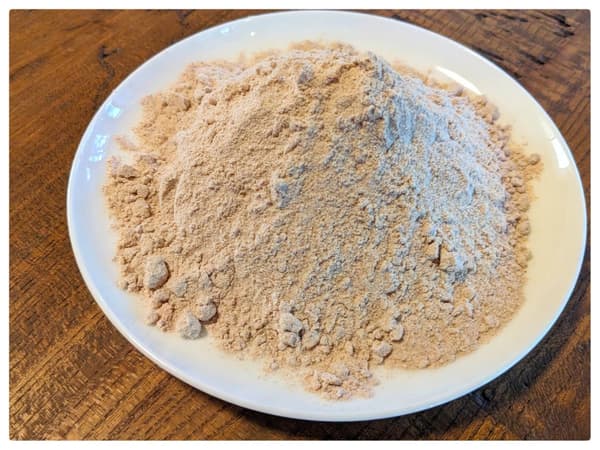
A hallmark of this year's lineup is the "morokoshi kashiwa-mochi," a regional specialty of the Mikawa area. The "morokoshi flour" used in this variety is made by grinding "takakibi" (sorghum), an ancient grain, into a fine powder.
It is said that this style of confectionery emerged as an ingenious substitute when rice was a precious commodity. Takakibi (sorghum) is a nutritionally rich grain, containing:
- Vitamins
- Minerals
- Dietary fiber
In recent years, it has also gained attention as a "superfood."
The result is a mochi with a subtle, toasty grain aroma and a simple, gentle sweetness — a flavor distinctly different from standard mochi-rice kashiwa-mochi, and one that reflects the character of Mikawa.
Five Varieties to Choose From
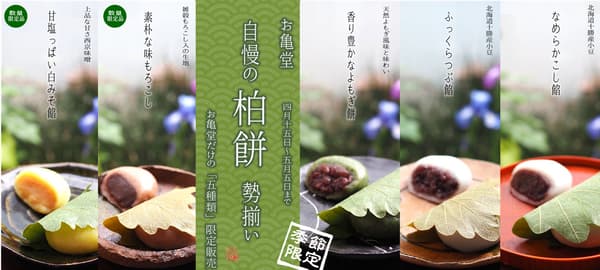
Okamedo's kashiwa-mochi lineup consists of five types:
- Smooth red bean paste (koshi-an) — ¥280
- Chunky red bean paste (tsubu-an) — ¥280
- Mugwort mochi (yomogi) — ¥280
- Morokoshi (takakibi) — ¥320 ※Mikawa regional variety
- White miso paste (shiro-miso-an) — ¥320 ※Uses Kyoto-style white miso (saikyo miso)
The lineup features homemade red bean paste made with Tokachi-grown Hokkaido adzuki beans, fragrant mugwort, and a white miso filling that is relatively uncommon in the Chubu region — a selection that blends regional character with classic flavors.
A Confection Said to Have Origins in Toyohashi
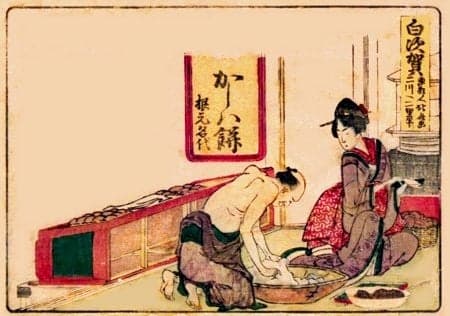
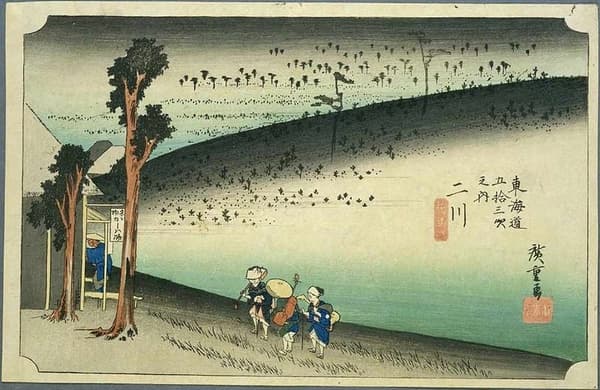
Near the old provincial border between Mikawa's Futakawa and Enshu's Shirasu-ka, in a place called "Sarugababa," there is said to have been a teahouse known for its kashiwa-mochi. According to legend, Toyotomi Hideyoshi stopped there on his way to the Siege of Odawara, and upon mishearing "kashiwa-mochi" as "kachimochi" (mochi of victory), he offered it as a lucky treat to his soldiers.
After that, kashiwa-mochi spread as a celebratory food for Children's Day in Edo, and was even depicted in ukiyo-e prints. While there are various theories about the exact origin, Toyohashi is widely recognized as having deep ties to the kashiwa-mochi tradition.
A Voice from Okamedo
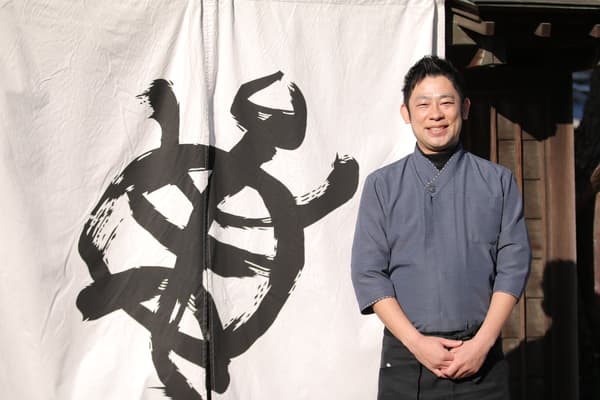
"Morokoshi kashiwa-mochi is a flavor rooted in the history and ingenuity of Mikawa," says Representative Director Mori Takahiko. "The wisdom born from a time when rice was scarce is now being recognized as a highly nutritious grain. We want to pass on the flavors that remain in this region to the next generation."
Product Information
- Product: Kashiwa-mochi (5 varieties)
- Price: ¥280 / ¥320
- Available: April 15 to May 7
- Location: Okamedo directly operated stores in Higashi-Mikawa