Why Hakone?
Hakone sits about 90 minutes from central Tokyo by train, tucked into the mountains of Kanagawa Prefecture. It has been one of Japan's go-to hot spring towns for centuries, and for good reason — volcanic onsen water, mountain air, Lake Ashi with views of Mt. Fuji on clear days, and more art museums per square kilometer than most places in the country.
You can do Hakone as a day trip or stretch it into an overnight stay. Either way, the Odakyu Romance Car from Shinjuku makes the journey feel like part of the experience rather than just transit.
We put together this itinerary based on an actual day trip our team took. It covers Hakone-Yumoto's food scene, a major art museum, a 300-year-old footbath cafe, and a forest hot spring — all in one day. If you have more time, we've also included other activities worth adding to your Hakone plans.
- Please note that information and prices listed are subject to change.
Our Day-Trip Itinerary
08:31am Odakyu Limited Express "Romancecar"
The trip to Hakone starts with the Romance Car! Meet at Shinjuku station and let's go to Hakone.
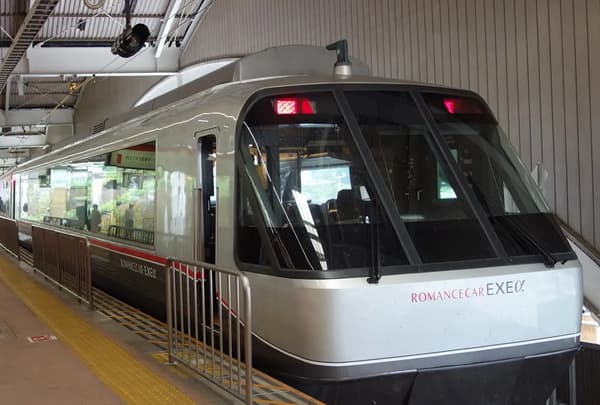
Special train
The atmosphere of the train is different from that of the trains you usually ride, which enhances the feeling of traveling.
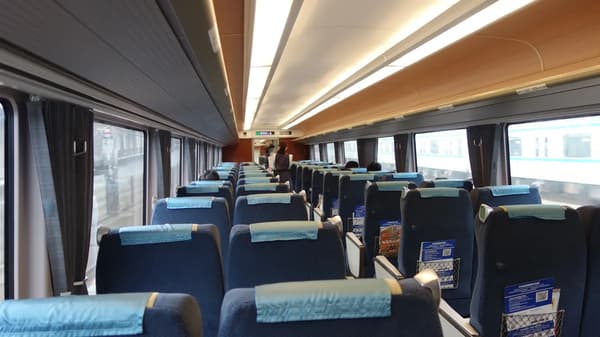
Away from the city
The scenery that is becoming more and more Hakone-like makes my heart pound!
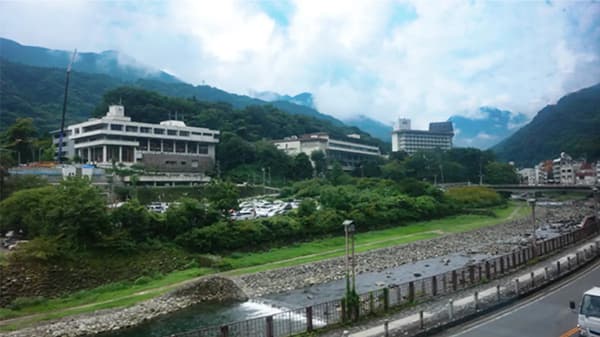
Nature
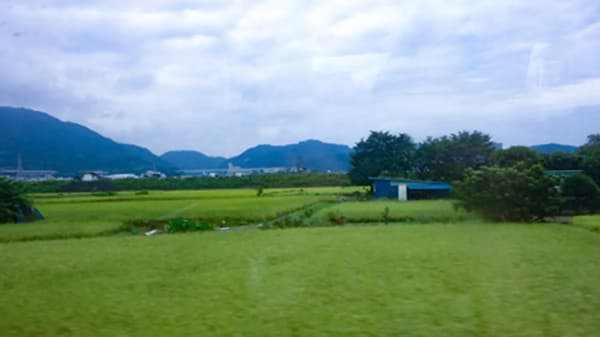
The 'Odakyu Romance Car' is the generic name for express trains and cars operated by Odakyu Electric Railway. Equipped with 'Romance Seats' designed for two passengers, all seats are reserved, requiring passengers to purchase an express ticket to their destination before boarding.
Tip: If you're planning to use multiple transport options in Hakone (trains, buses, ropeway, cruise), consider picking up a Hakone Free Pass. It covers unlimited rides on eight types of Hakone transportation and gets you discounts at many attractions. A 2-day pass from Shinjuku costs around 7,100 yen for adults, or 6,000 yen if you buy it from Odawara Station for the Hakone area only (prices revised October 2025).
10:30am Hakone-Yumoto Station
After an hour and 40 minutes on the Romance Car... arrived in Hakone!
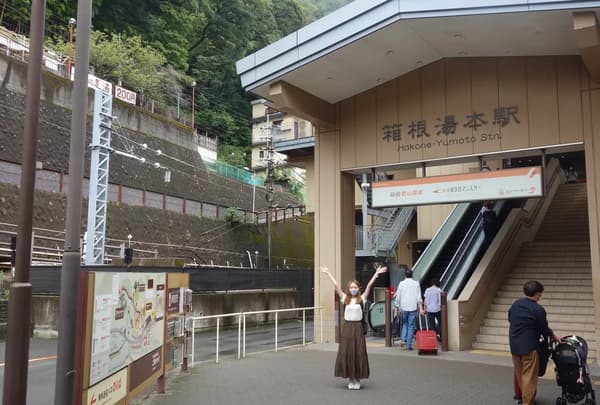
Hakone-Yumoto Station is the main transportation hub in Hakone-machi, Ashigarashimo-gun, Kanagawa Prefecture. Some related facilities offer discounts if you use the Hakone Free Pass. There are also special deals such as free admission to Gora Park with the purchase of a Hakone Tozan Train 1Day Pass.
10:45am Hakone-Yumoto Shopping Street
We quickly strolled through the shopping arcade in Hakone-Yumoto. The arcade was crowded with many stores where one could eat and walk around.
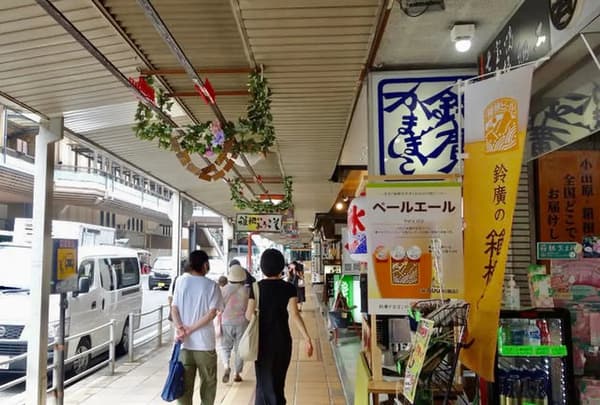
The Hakone-Yumoto Shopping Street runs from the station along the river, lined with souvenir shops, snack stands, and small restaurants. It gets packed on weekends — if you prefer a calmer walk, weekday mornings are the way to go. We recommend visiting with an empty stomach, as there are plenty of chances to sample local treats along the way.
If you enjoy exploring Japanese nightlife while you're in the area, this bar-hopping night tour takes you through local izakaya spots that most tourists don't find on their own.
There's also a separate bar-hopping tour covering the wider Hakone and Odawara area if you want to explore even further.
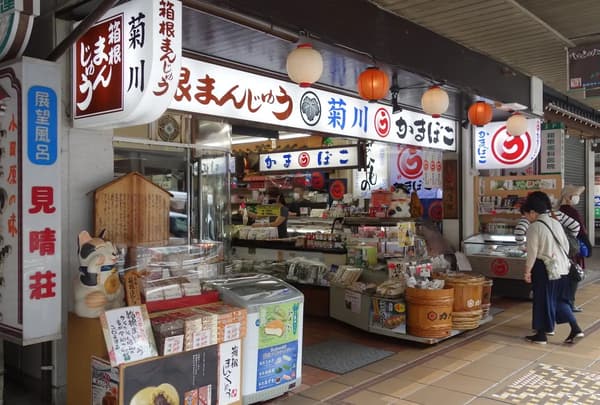
11:00am Kikukawa Shoten
Kikukawa Shoten is famous for its Hakone Manju (buns filled with sweet bean paste).
I couldn't resist eating it even though it was before lunch..
Making process
Manju is freshly baked here
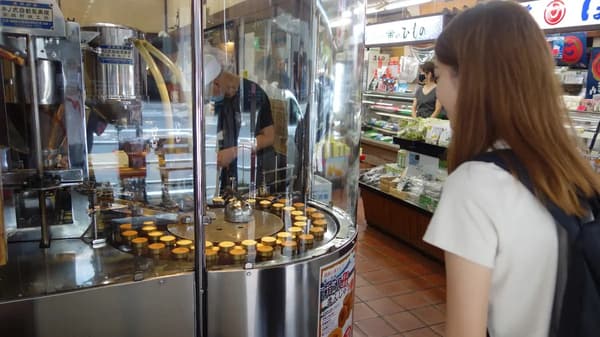
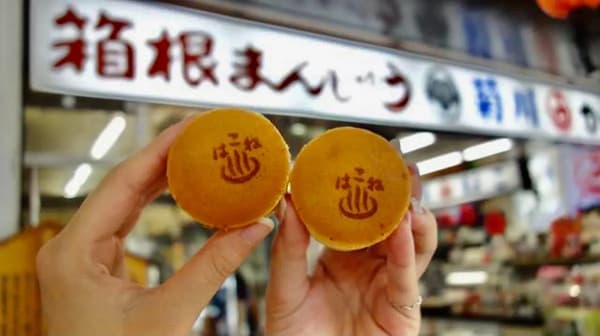
Freshly baked
The Manju with cute Hakone branding is freshly baked and ready to enjoy. The outside is made of fluffy castella (sponge cake), and the inside is filled with white bean paste. The taste is nostalgic and gently comforting.
Kikukawa Shoten, located in Yumoto, Hakone-cho, Ashigarashimo-gun, Kanagawa Prefecture, is a souvenir store offering a wide selection of kamaboko, dried fish, and other Hakone-specific souvenirs. It also sells Japanese sweets, taiyaki, oobanyaki, and other confections, and its specialty, Hakone Manju, is especially popular. It is also conveniently located for tourists as it is only about a 30-second walk from Hakone-Yumoto Station.
12:00pm Hatsuhana Main Store
For lunch, I wanted to eat something typical of Hakone! So we decided to have soba noodles at Hatsuhana. It is about a 10-minute walk from the station!
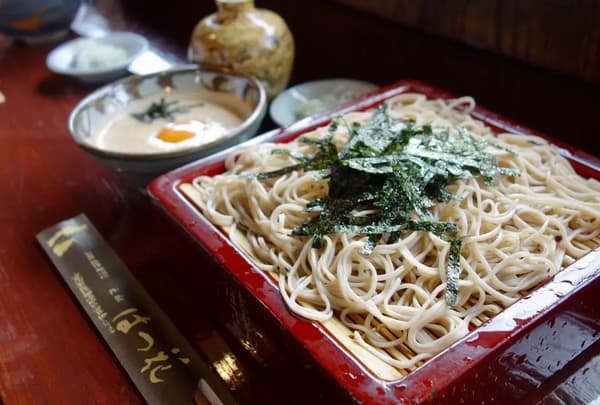
This is Hakone!
Both the exterior and interior of the building are very Hakone-like! The exterior and interior are both lovely with a tasteful atmosphere.
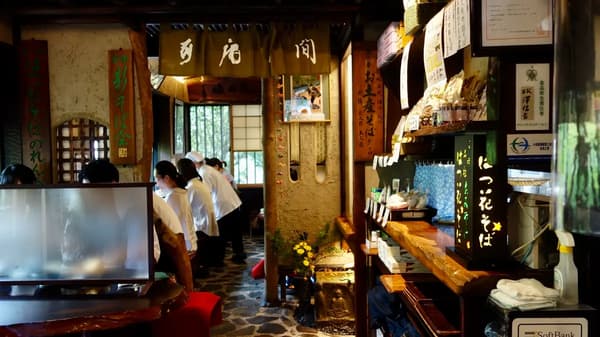
The exterior looks like this
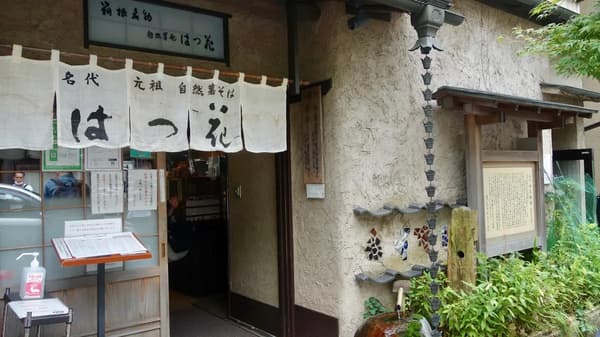
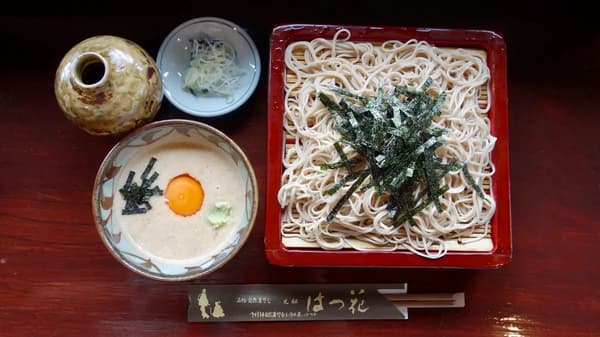
Teijyo Soba (soba made with grated yam and eggs, served with additional grated yam and eggs for a perfect match)
I ordered the Teijyo Soba. The sticky grated yam and egg are mixed with thin soba noodles. The aromatic soba noodles and sticky yam were so deliciously mixed together that I finished the dish very quickly.
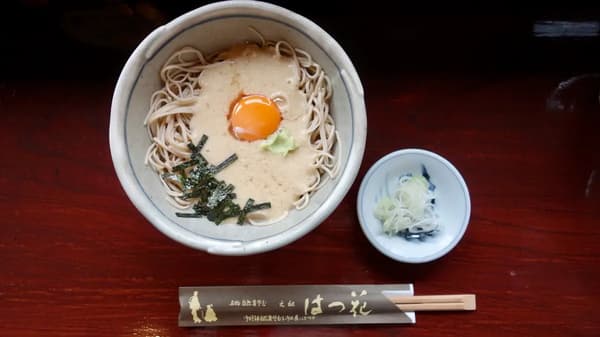
Seiro Soba
Friend ordered Seiro Soba.
Main and New Building
There is a new building 100 meters away from the main building
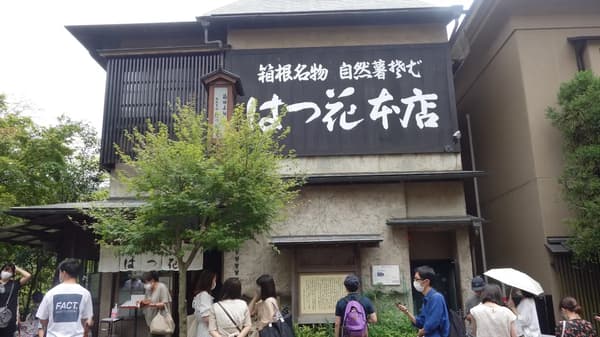
Hatsuhana Main Store is a soba restaurant located in Yumoto, Hakone-cho, Ashigarashimo-gun, Kanagawa Prefecture. It is famous for its yam soba which is super delicious. It is recommended to visit with plenty of time to spare, as the restaurant is crowded during peak hours at lunchtime and at night. Please note that reservations cannot be made in advance. The turnover is fast, so even if there is a long line, you can enter the restaurant relatively smoothly. Yamakake Soba is also a specialty.
1:30pm Hakone Open-Air Museum
After filling your stomach with soba, go to the "Hakone Open-Air Museum" to view art. Hakone is also a town of art, and there are several art museums.
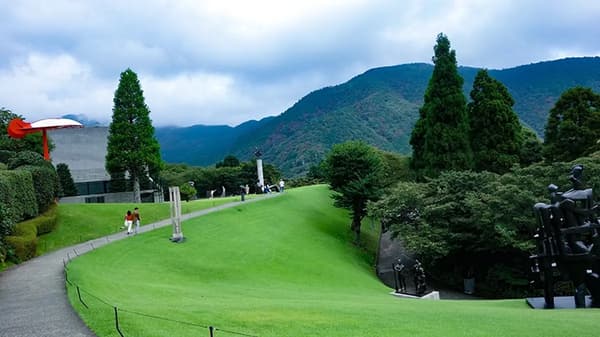
Rich Nature
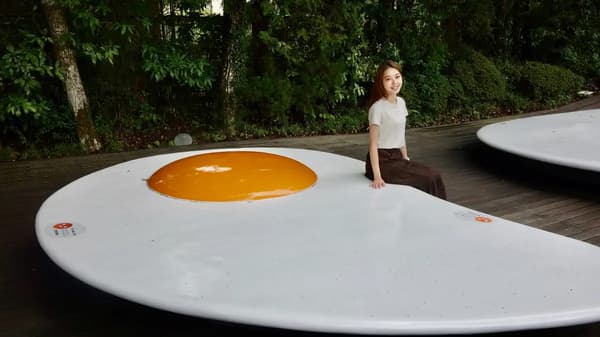
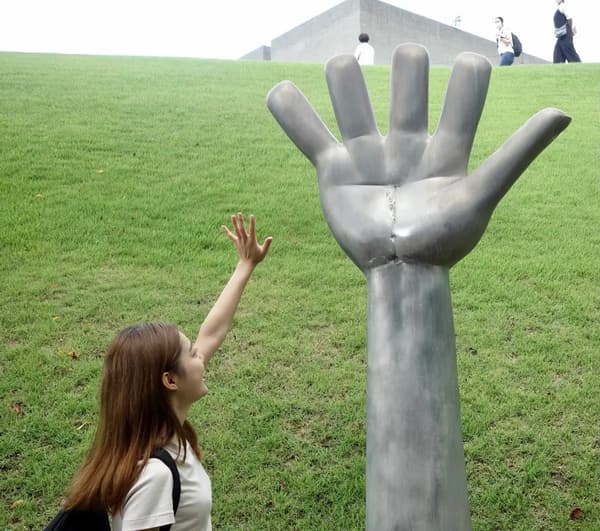
This open-air art museum combines Hakone's nature and art, with contemporary artworks scattered throughout the expansive grounds.
Is this... a fried egg?
Even if you don't know anything about art, these unique works of art are fun just to look at and walk around!
Big hands!
Lots of Artworks
There are also many indoor exhibitions such as the Picasso Pavilion. There is also a cafe/restaurant and a footbath, so you can stay as long as you like.

The exterior looks like this
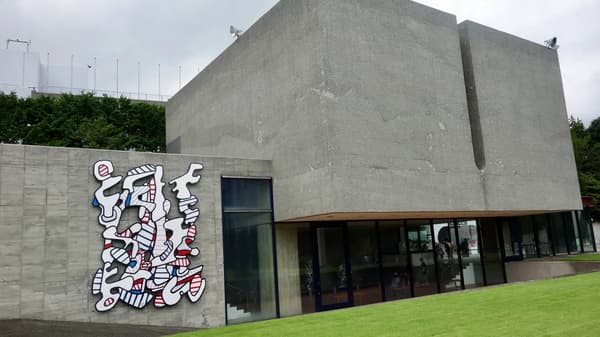
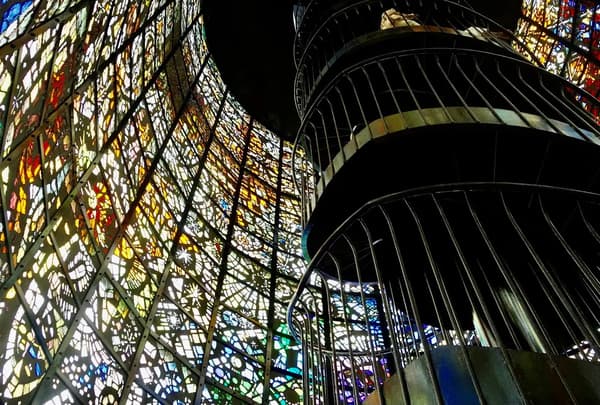
Fantastic space
The stained glass pavilion is gorgeous! Climb the spiral staircase for a panoramic view of the entire museum.
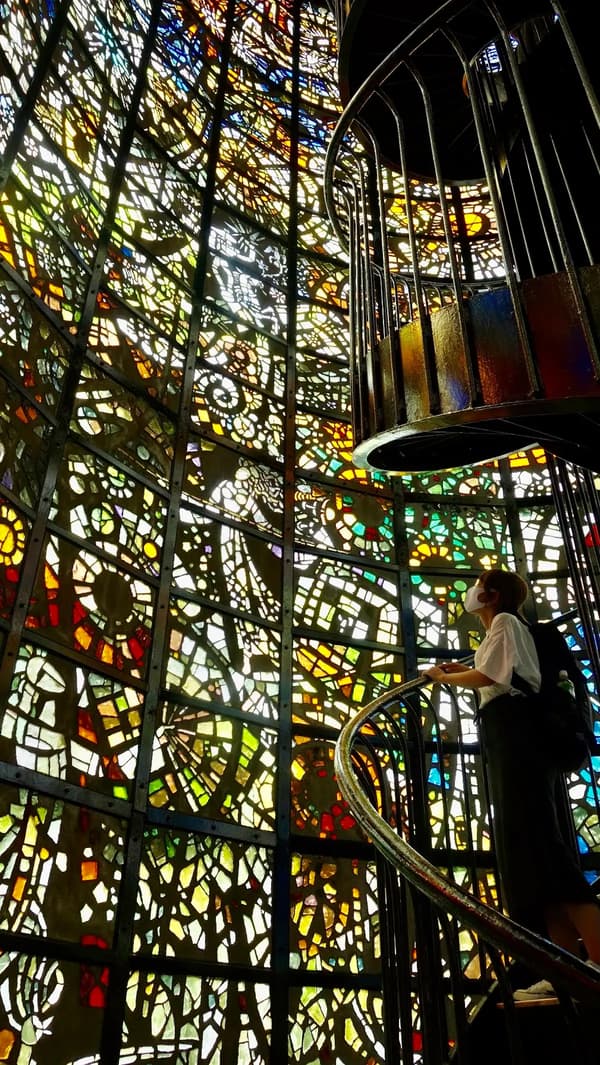
Fusion of nature and art
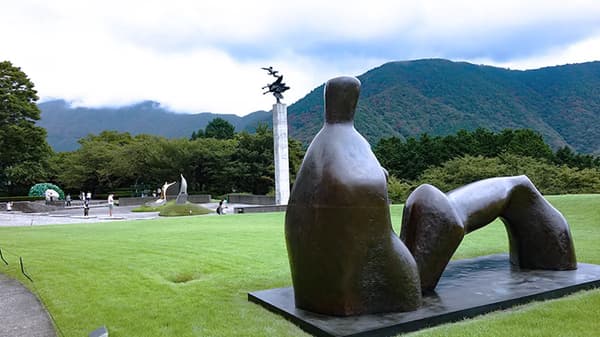
Hakone Open-Air Museum in Hakone Town, Kanagawa Prefecture, is an art museum that focuses on outdoor sculptures. Admission is 2,000 yen for adults (1,800 yen if purchased online in advance). It has a parking lot and is close to the station for convenient access. Nursing rooms are available, and there is also a restaurant and a store. The Picasso Pavilion houses 319 pieces of the Picasso collection that are exhibited on rotation, and the art works spread over the large grounds are what make this outdoor museum special — you'll find scenery and playful installations you won't see anywhere else. Discount tickets are available with the Hakone Free Pass, which is also recommended for sightseeing.
3:30pm NARAYA CAFE
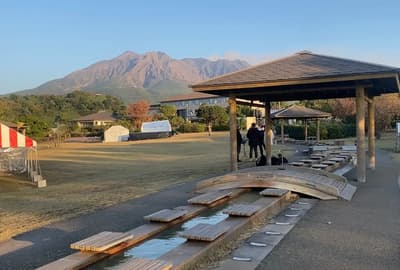
Located a 15-minute train ride away from the Hakone Open-Air Museum. This cafe offers the perfect way to heal your body after a day of exploration. Here, you can soak in a footbath and enjoy a relaxing cup of tea.
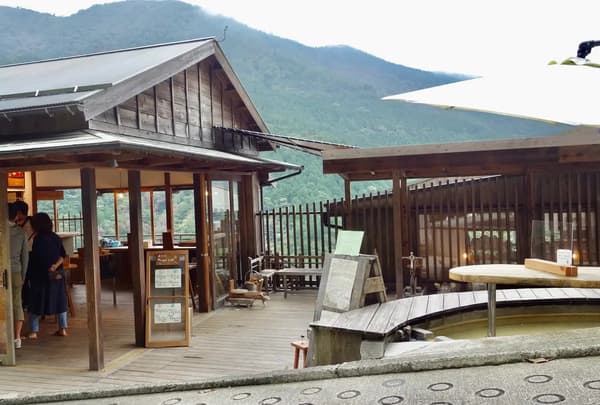
More than 300 years of history!
The building was renovated from a 300-year-old inn called Naraya Ryokan, and the footbath is also made from the source of spring water from Naraya Ryokan's days.
Cold matcha green tea
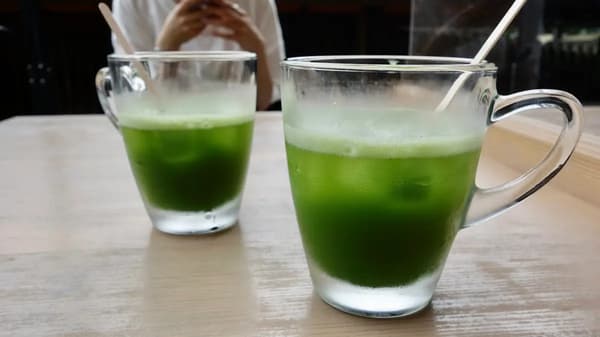
The sweetness rejuvenates my tired body!
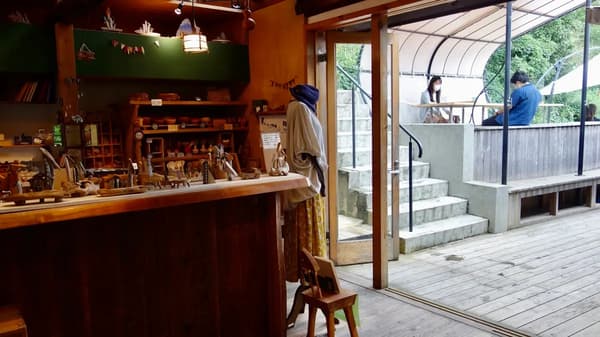
The specialty is Hyotan Monaka (730 yen) — a set featuring green tea and Monaka. You can craft it yourself by selecting from four types of bean paste. I chose the sweet bean paste, while my friend chose the seasonal edition of green tea bean paste. The combination of crispy homemade wafers and sweet bean paste was not only delicious but also so much fun to craft ourselves!
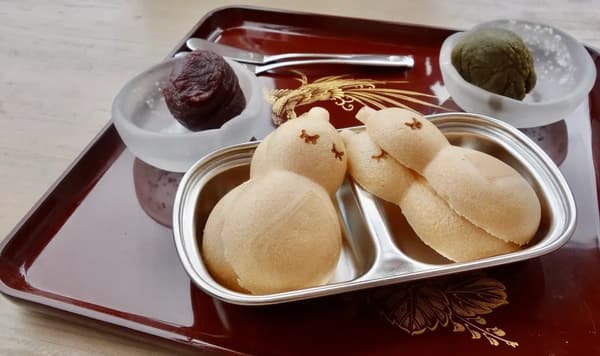
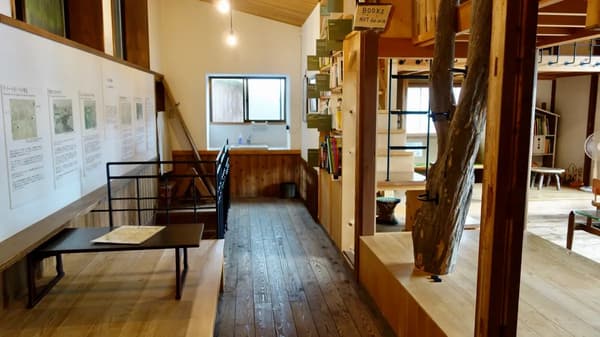
Very cozy place
The historic building is lovely. It's also good to change your seats during your stay to enjoy every different mood.
The exterior looks like this
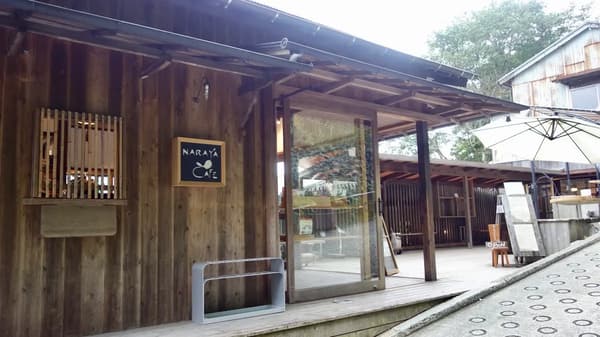
NARAYA CAFE is located in Miyanoshita, Hakone-machi, Ashigarashimo-gun, Kanagawa Prefecture, and offers a menu of coffee, drinks, light meals, and sweets. One of the most attractive features of the cafe is its nature-inspired atmosphere, which can be enjoyed outside on the terrace while soaking in the footbath. The gourd-shaped Narayan monaka, which you can fill yourself with red bean paste that changes with the seasons, is also an exquisite treat.
Speaking of footbaths, nearby Hotel Okada in Hakone-Yumoto recently renovated its foot bath terrace with a new viewing area overlooking the Sukumo River gorge.
5:00pm Hakone Yuryo
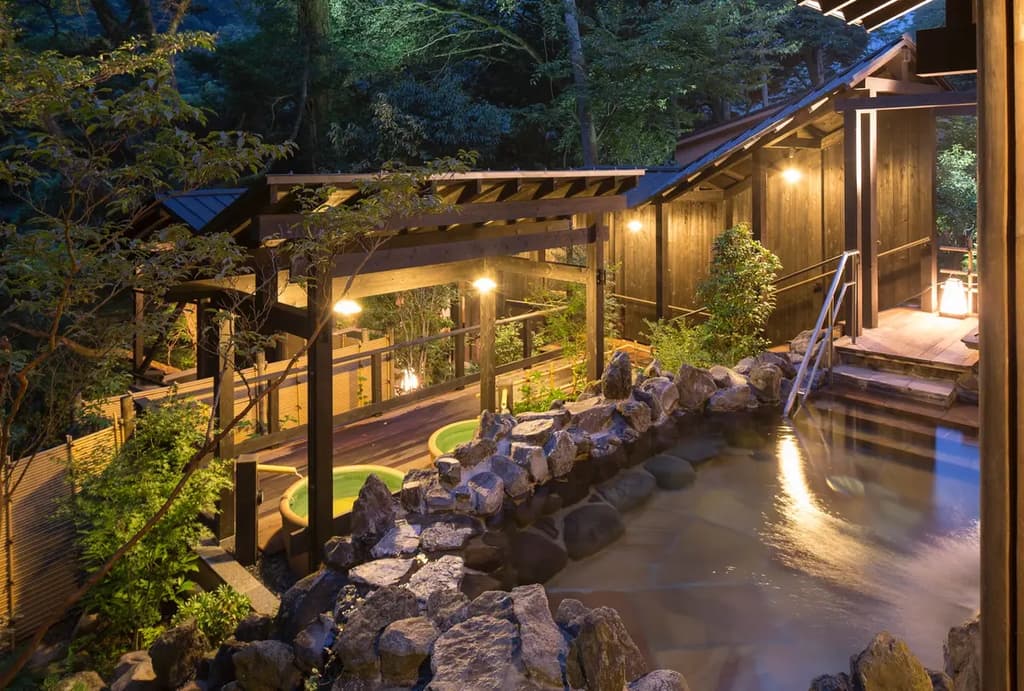
At the end of my visit to Hakone, I wanted to take a hot spring bath! So we took the train back to Hakone-Yumoto Station! "Hakone Yuryo" is a day spa facility where you can enjoy hot springs, meals, and relaxation. It is tucked away in the woods on high ground up a mountain road from Hakone-Yumoto Station, offering an extraordinary experience.
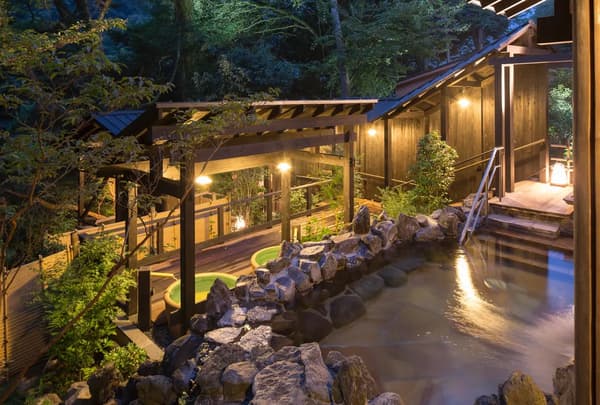
To an extraordinary space
The building has a very nice atmosphere at sunset.
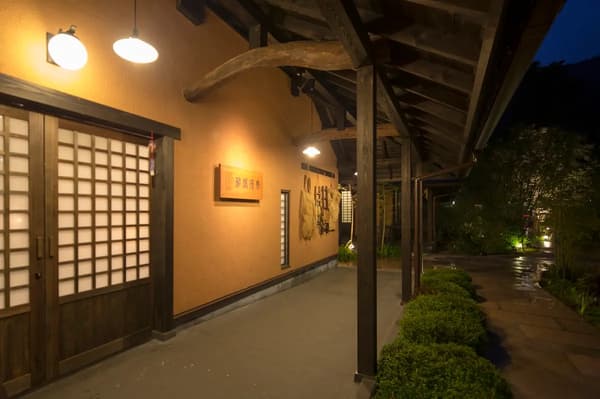
The countryside old house-style building is amazing
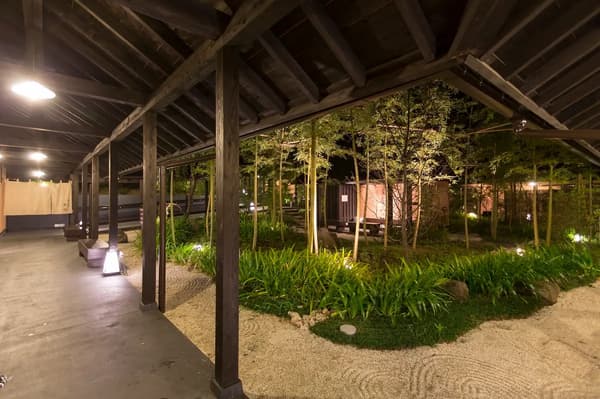
Finally, a hot spring!
Private baths are a bit extravagant, but they allow you to spend time flowing leisurely while feeling close to the great nature of Hakone. The sound of swaying forest trees and the breeze will warm and refresh your body and soul.
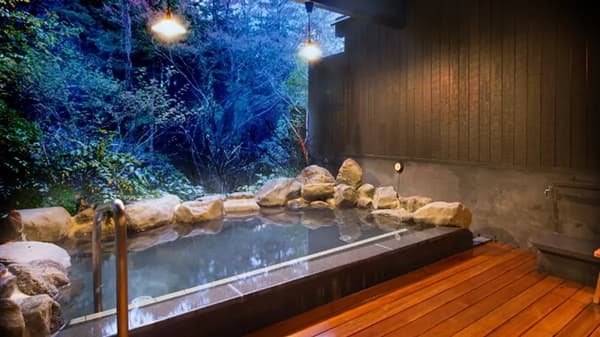
Luxurious atmosphere in a bath of jars
The jar bath in the large bathroom is compact but luxurious enough to be used alone.
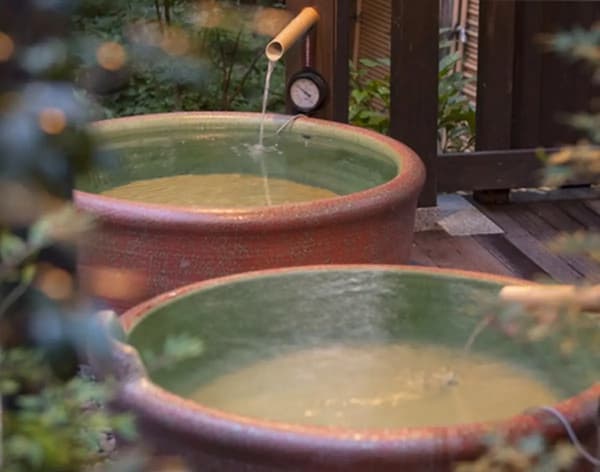
Dining
Change into a cute yukata and have an early meal at Irori Saryo Hachiri.
Cheers to beer
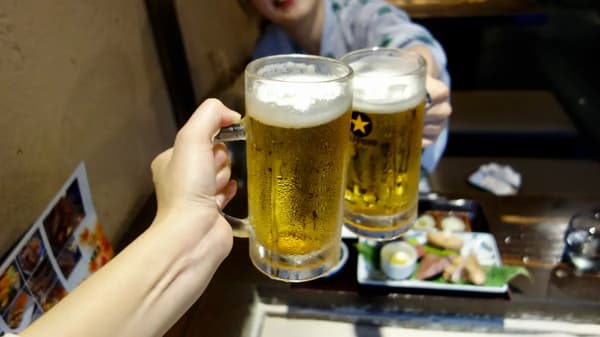
After the bath, we toasted with beer. It's a luxurious trip for adults!
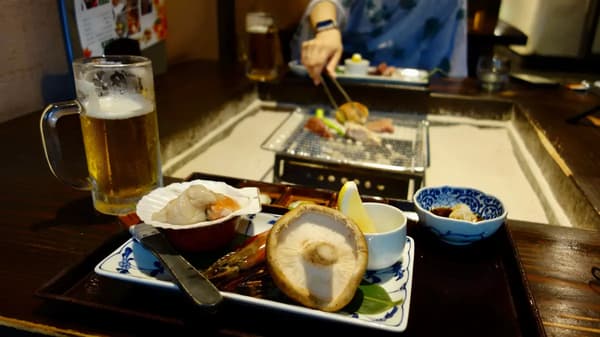
Grill over hearth
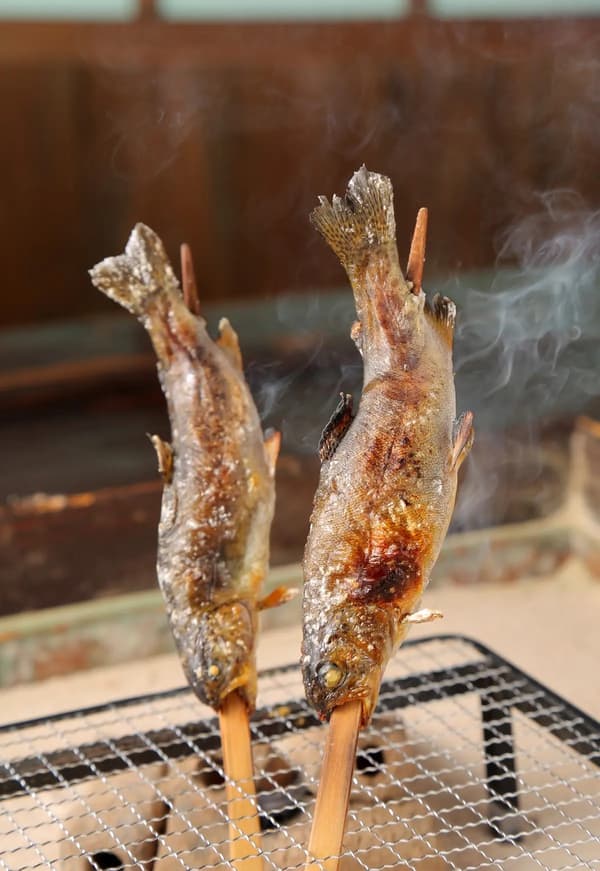
Meals are full of local ingredients. River fish grilled over an open hearth and fresh vegetables are both excellent.
Great atmosphere at night!
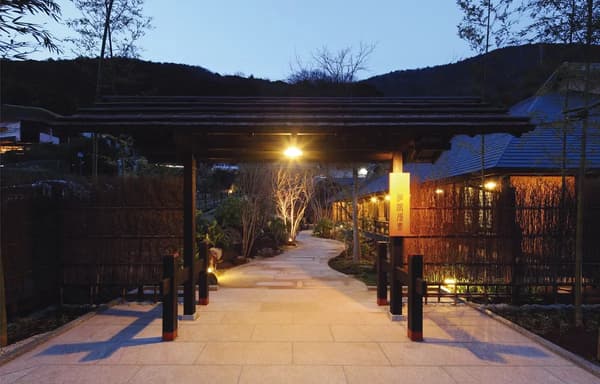
Hakone Yuryo is a large day spa located in Hakone-cho, Ashigarashimo-gun, Kanagawa Prefecture. Free shuttle bus service is available from the station for easy access. The baths are in the style of old private homes and allow visitors to enjoy the rich nature of Hakone. There are also open-air baths and saunas. The bathhouse is also well equipped with a rest area after the bath, making it ideal for taking a break after a full day of walking. For more about Hakone's hot spring culture and the different onsen areas in the region, check out our separate guide.
If you're interested in ryokan dining experiences, one Hakone ryokan recently introduced a full vegan kaiseki course that makes traditional Japanese multi-course dining accessible to plant-based travelers.
7:30pm Odakyu Romance Car
The last thing of the trip is a dinner on the Romance Car. It only takes a little over an hour and a half to get to Shinjuku, but I'm going home while having a good time drinking.
More Things to Do in Hakone
Our day trip focused on the Hakone-Yumoto side, but there's a lot more to see if you have extra time. Here are some of the top activities and attractions in Hakone that are worth adding to your plans.
The Hakone Loop: Ropeway, Owakudani, and Lake Ashi
The classic Hakone sightseeing route takes you up through the mountains by cable car and ropeway, across the volcanic landscape of Owakudani, and down to Lake Ashi for a cruise. The whole loop can take half a day.
At Owakudani, you can see active volcanic vents and try the famous black eggs boiled in the sulfurous hot spring water. On clear days, the views of Mt. Fuji from here are hard to beat. The Owakudani area received a major upgrade in April 2025 with the opening of "Earth Valley," a new observation area closer to the volcanic vents.
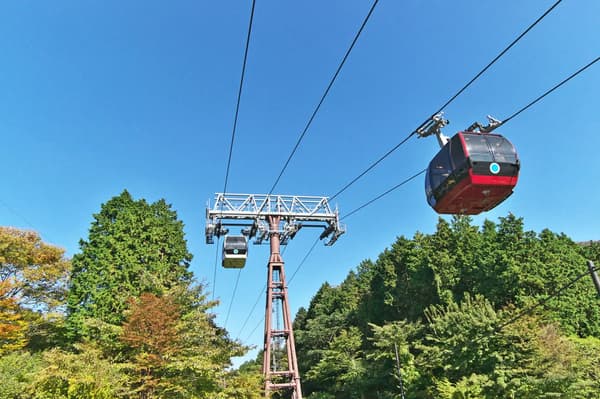
As of October 2025, the ropeway fare is 2,000 yen one-way or 3,000 yen round-trip for adults. The sightseeing cruise across Lake Ashi (Togendai to Hakone-machi or Moto-Hakone) costs 1,700 yen one-way or 3,000 yen round-trip for adults. Both are covered by the Hakone Free Pass.
From Owakudani, the ropeway continues down to Togendai at the shore of Lake Ashi. The sightseeing cruise ships (including a pirate ship design that's a hit with kids) cross the lake to Moto-Hakone and Hakone-machi port. On sunny mornings, you might catch Mt. Fuji reflected on the lake surface.
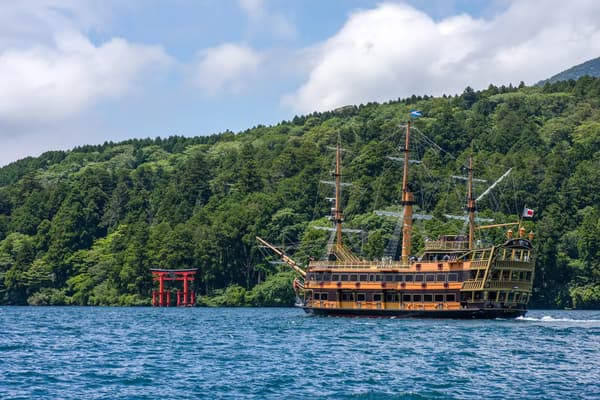
Note: The ropeway occasionally closes for scheduled maintenance (it was suspended for part of January-February 2026, for example). Check the Hakone Navi website before your trip to confirm operating status.
Hakone Shrine
Hakone Shrine sits in a forest along the shore of Lake Ashi, with a red torii gate standing in the water. It's one of the most photographed spots in the region. The approach through tall cedar trees feels a world away from the busy station areas. If you're doing the lake cruise, Moto-Hakone port is a short walk from the shrine.
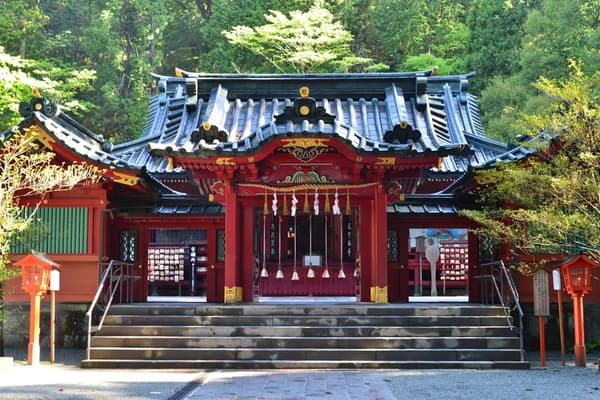
One lakeside hotel near Hakone Shrine offers a special accommodation plan built around a pilgrimage to Hakone's three shrines, which makes for a more spiritual way to experience the area.
If you'd like professional photos from the Motohakone area, this private photoshoot covers the lakeside and shrine surroundings.
Gora Park and Gora Area
Gora Park is a French-style garden sitting at the top of the Hakone Tozan Railway line. Inside you'll find a tropical greenhouse, a crafts house (where you can try pottery or glassblowing), a tea ceremony experience, and seasonal flower displays. Admission is 650 yen for adults, and free for children under 12. If you have a Hakone Free Pass, entry is free.
The Gora area is also home to Hakone Museum of Art, known for its Japanese ceramics collection and a beautiful moss garden that peaks during autumn.
Hakone Checkpoint and the Old Tokaido Road
History fans might want to stop by the Hakone Checkpoint (Hakone Sekisho), a reconstruction of an Edo-period checkpoint that once controlled travel along the old Tokaido highway. The museum explains how the checkpoint system worked and has displays of period armor and documents. Nearby, you can walk a preserved section of the Old Tokaido Road lined with centuries-old cedar trees — a very different atmosphere from the tourist areas.
Art Museums Beyond the Open-Air Museum
Hakone has an unusual concentration of art museums. Beyond the Open-Air Museum we visited, there's the Pola Museum of Art in Sengokuhara (strong on Impressionist works), the Hakone Museum of Art near Gora (Japanese ceramics and a beautiful moss garden), and the Lalique Museum with its Art Nouveau glass collection and Orient Express train car you can dine in.
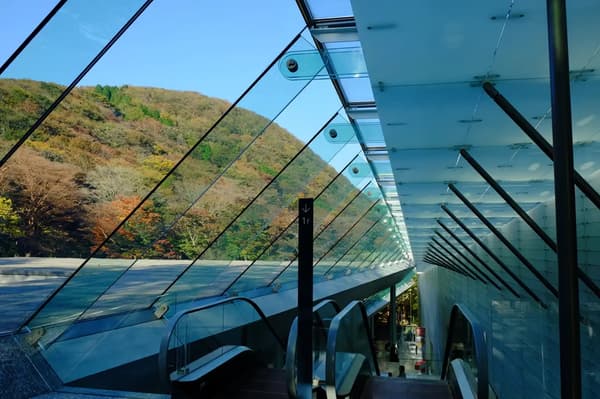
Pola Museum of Art is currently hosting an exhibition on Western Modern cosmetic sets that's worth a visit if you're in the Sengokuhara area.
The Lalique Museum has recently launched a collaboration plan with nearby Hakone hotels, combining art appreciation with hot spring stays.
For a deeper look at all the spots worth visiting, see our full Hakone guide.
New Openings Worth Checking Out
Hakone keeps adding new spots. Hakone Tofu Chaya Yasohachi is a hot spring tofu restaurant that recently opened in Sengokuhara.
The Hakone Sweets Collection 2026 event (running from late February through April) offers discounted Romance Car and accommodation packages paired with limited-edition desserts from local shops.
Kowakien Yunessun, the popular onsen amusement park with its themed baths, is also running a Doraemon collaboration event for 2026.
Hakone by Season
Hakone changes character with each season, so timing your visit can shape the whole experience.
Spring (March - May): Cherry blossoms start appearing in late March around Hakone-Yumoto and Gora, usually peaking in early April. Because Hakone sits at higher elevation than Tokyo, the blooms tend to arrive a bit later here. The area around Miyagino and Gora Park is especially good for hanami. Spring is also when the weather starts warming up enough to really enjoy the outdoor onsen baths — cool mountain air and hot water is a great combination. Lakeside hotels like Hanaori run special spring buffets and seasonal desserts during this period.
Summer (June - August): Hakone's mountain elevation means it stays cooler than Tokyo, making it a popular escape from the city heat. Hydrangeas bloom along the Hakone Tozan Railway tracks in June and July — the train slows down at certain points so passengers can take photos.
Autumn (September - November): The autumn foliage season is probably Hakone's most popular time. Colors peak around mid-November in many areas. Sengokuhara's pampas grass fields (susuki) turn golden from late September through mid-November and are worth a detour.
Winter (December - February): Fewer crowds and the best conditions for onsen — nothing beats a hot open-air bath with cold air on your face. Clear winter skies also mean the best chance of seeing Mt. Fuji from the ropeway and Lake Ashi. Some ryokan offer seasonal programs during winter, like traditional cultural experiences at Hakone Retreat fore.
We have a separate guide on Hakone's hot spring history and the different onsen areas that covers the details.
Practical Tips for Visiting Hakone
Getting there: The fastest way is the Odakyu Romance Car from Shinjuku Station (about 85 minutes to Hakone-Yumoto, reserved seats required). You can also take the regular Odakyu express train, which is cheaper but takes about 2 hours.
Hakone Free Pass: Highly recommended if you're planning to ride buses, the ropeway, cable car, or sightseeing cruise. The pass covers unlimited rides on eight types of Hakone transport plus discounts at various attractions. A 2-day pass from Shinjuku is around 7,100 yen, and a 3-day pass is around 7,500 yen for adults. If you're starting from Odawara instead of Shinjuku, the 2-day pass costs 6,000 yen and the 3-day pass costs 6,400 yen (prices as of October 2025). You can buy it at Odakyu stations or online.
Contactless payment: Hakone's key transport lines (buses, ropeway, sightseeing cruise) now accept contactless credit and debit cards at the gate, so you don't necessarily need to buy paper tickets or have an IC card. This can save time, especially during busy periods.
How much time: One full day is enough to cover the Hakone-Yumoto area as we did in our itinerary above. To also do the ropeway-Owakudani-Lake Ashi loop, plan for at least two days, or be ready for an early start and a tight schedule.
What to bring: Hakone is cooler than Tokyo year-round due to the mountain elevation. Even in spring and autumn, bring a light jacket or fleece for the evenings. Comfortable walking shoes are a must — many spots involve uneven paths and stairs.
Capture the memories: If you want professional photos from your Hakone trip, this private photoshoot is a great way to get lasting shots of your visit with the hot spring town as your backdrop.
For the most detailed coverage of Hakone, including all the major and lesser-known spots organized by area, see our full guide.
And if you're interested in hot springs beyond Hakone, we've also put together a list of the best hot spring destinations in Japan.